podcasting with ra cook & ms doc brandon beaber

Multiple sclerosis challenges ranging from misdiagnoses and obtaining work accommodations, to advocating for chronic illness causes and writing from the patient perspective were chief among the many issues I recently discussed with two podcasters.

Southern California’s Dr. Brandon Beaber, a neurologist specializing in multiple sclerosis, chatted with me recently for his podcast about my new book, Uncomfortably Numb 2: An Anthology for Newly-Diagnosed MS Patients, touching on topics like when or whether to tell people you have MS and what lessons I’ve learned since I was diagnosed in 2014. Spoiler alert: There’ve been a lot of them.
Meanwhile, podcaster RA Cook, a fellow author and western Massachusetts native, hosted me as a guest on her podcast, Well Done You. Our wide-ranging conversation addressed topics like writing and teaching journalism at the university level, to being a multiple sclerosis patient and advocating for issues facing those living with chronic illnesses.

I was honored to be a part of both of their podcasts.

Be sure to follow Dr. Beaber’s podcasts here and RA Cook’s podcasts here.
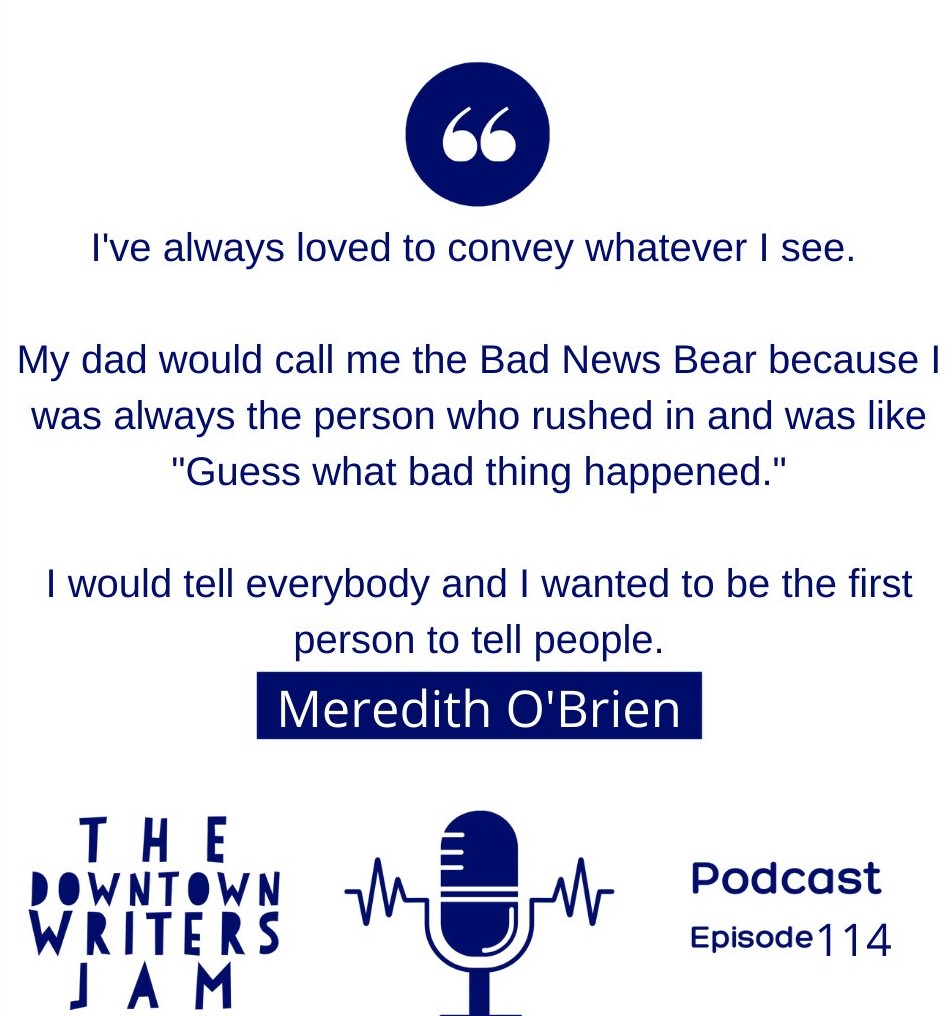
catch me talking writing & childhood reporting aspirations on ‘the downtown writers jam’ podcast

I had a blast chatting with Brad King on his Downtown Writers Jam podcast about writing and journalism, my medical memoir, and my childhood days of pretending to be a reporter when I’d read newspaper (for which I’d eventually become a reporter) out loud while recording myself with my mother’s old, gray tape recorder back when I lived in western Massachusetts.

Please take a listen. I’d love to hear what you think!

spoonie author network podcast talks ‘uncomfortably numb’

Dianna Gunn recently interviewed me for her podcast, called the Spoonie Authors Podcast, a group which spotlights writers with disabilities.

For those who are unfamiliar with the phrase “spoonie,” the podcast offers this definition:

A Spoonie is a person who suffers from a chronic illness, condition, or disability that regularly drains them of their energy and/or causes acute pain, resulting in impaired function of ordinary activities. The nickname came from an article called The Spoon Theory by Christine Miserandino, which you can read on butyoudontlooksick.com. In my opinion, it’s still the best way to describe to non-Spoonies what life for us really feels like.

In The Spoon Theory, spoons are used as symbols for every-day activities, such as showering, making lunch, collecting the mail, and so on. Many of us don’t have enough ‘spoons’ to handle the simplest of routines.