celebrating the rock star contributors to uncomfortably numb 2: sarah, noelle & paige

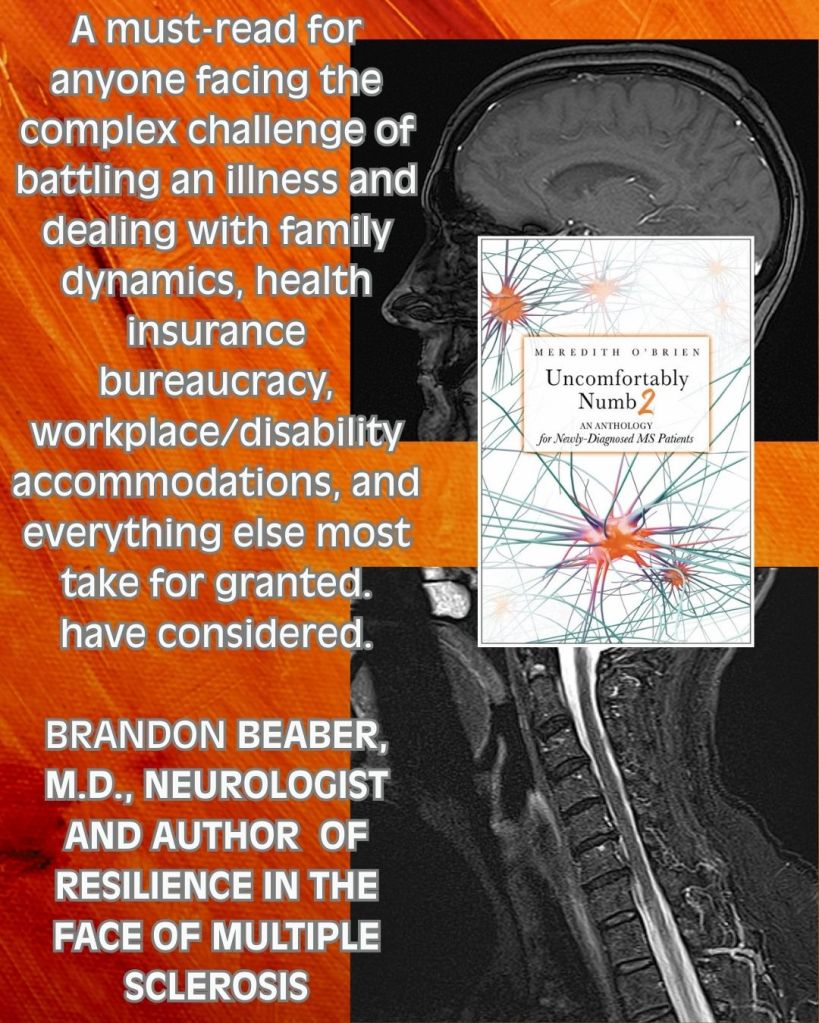
My latest book, Uncomfortably Numb 2: An Anthology for Newly-Diagnosed MS Patients, is chockfull of stories, some inspiring, and some enraging.

It’s only because MS patients and professionals were willing to take the time to answer my questions, share their experiences — some of them excruciatingly personal — that I have this book at all.

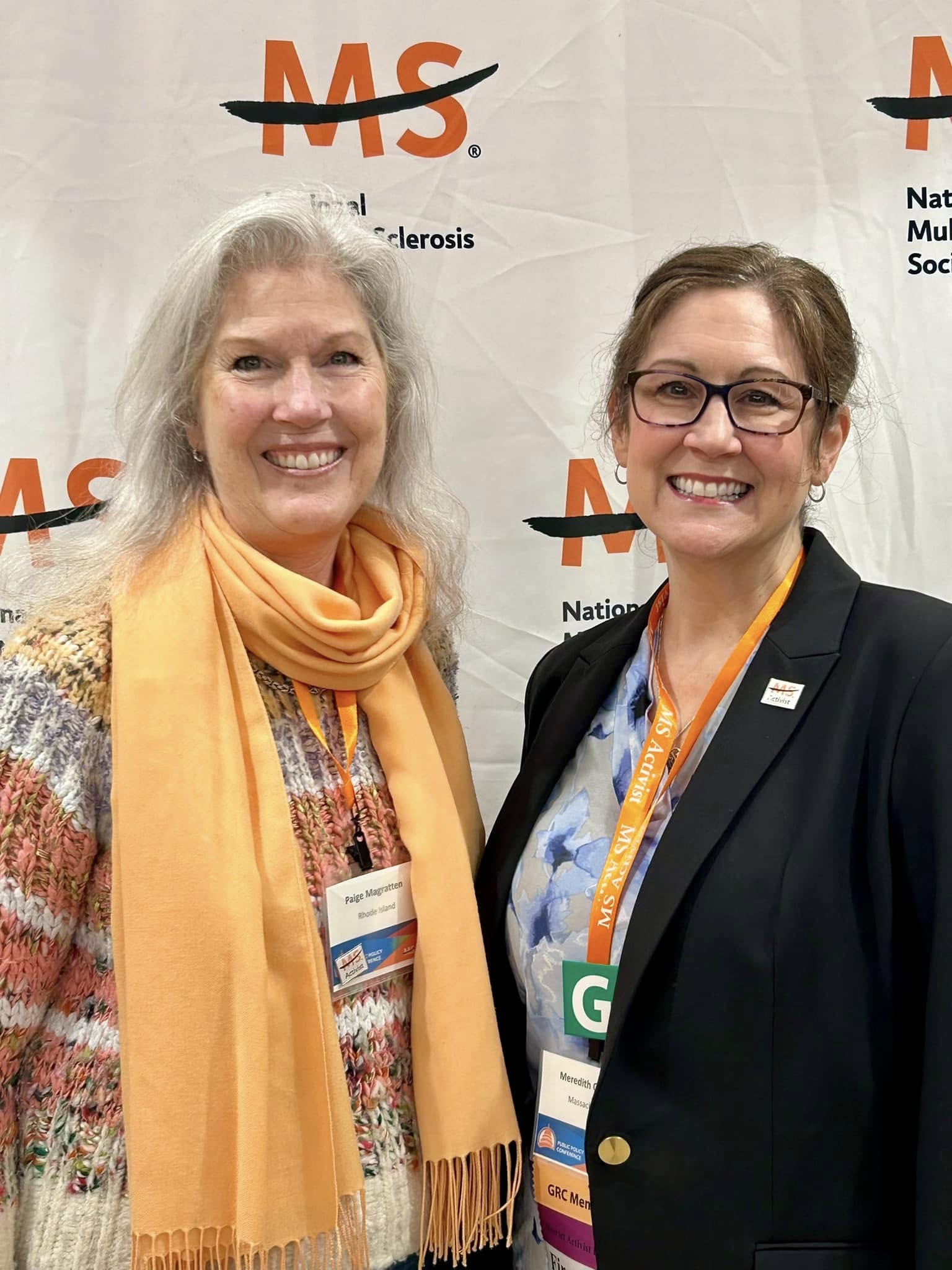
I want to express my boundless appreciation to the folks who made Uncomfortably Numb 2 possible. Today’s post is dedicated to three of the contributors: Sarah Quezada, Noelle Connolly, and Paige Butas.
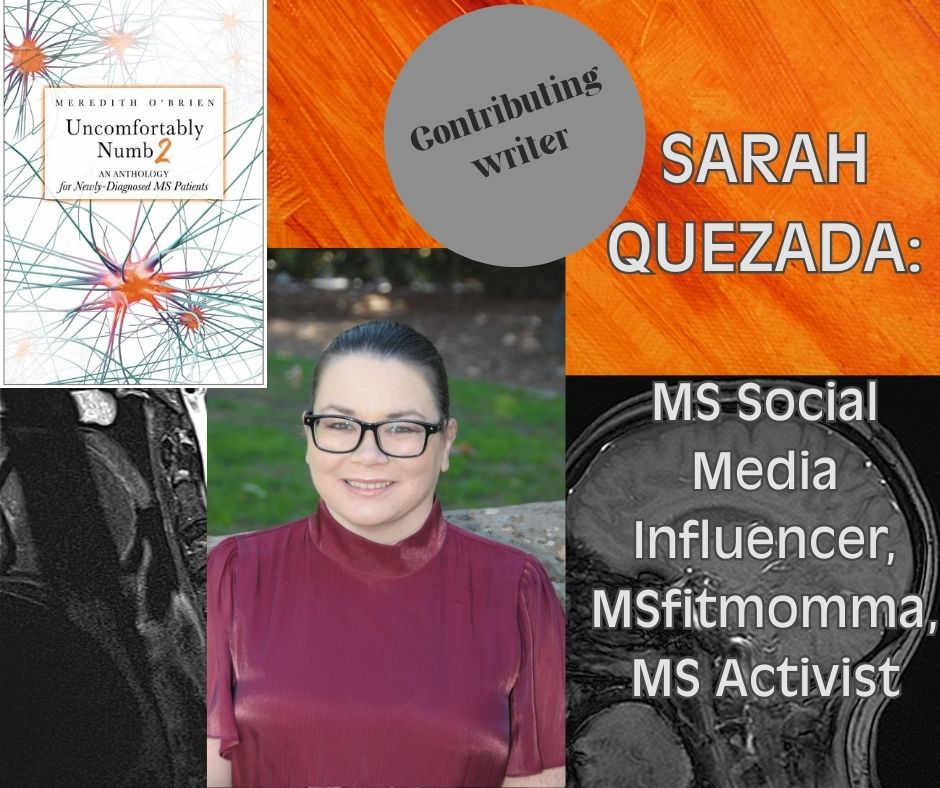
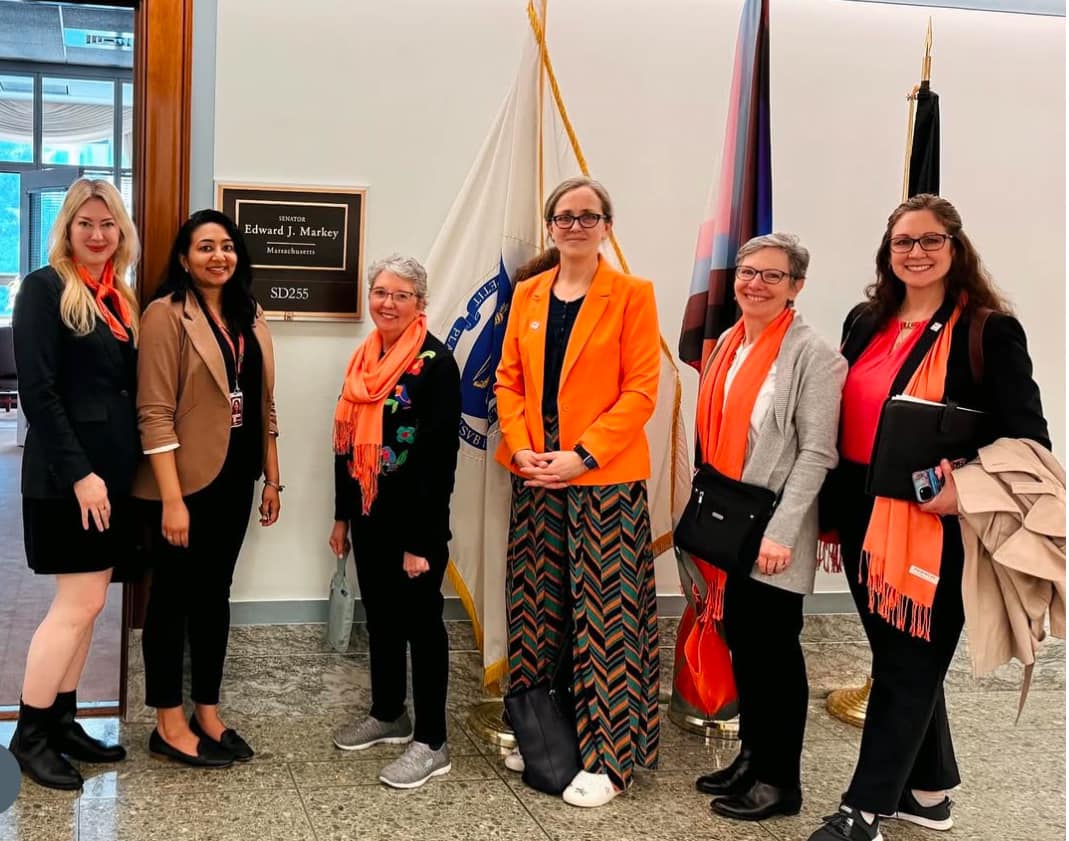
I met Sarah Quezada in Washington, D.C. this past March when we were both volunteer patient advocates for the National MS Society getting ready to descend on the Capitol to plead with our elected officials to protect Medicaid from steep cuts and to maintain the bipartisan, $22 million MS research program through the Department of Defense. Sarah met her task with enthusiasm and determination. She is a force. She has not only cultivated an online following for her Instagram page MSfitmomma, but she uses her voice to speak up for those who will be affected by various government policies.
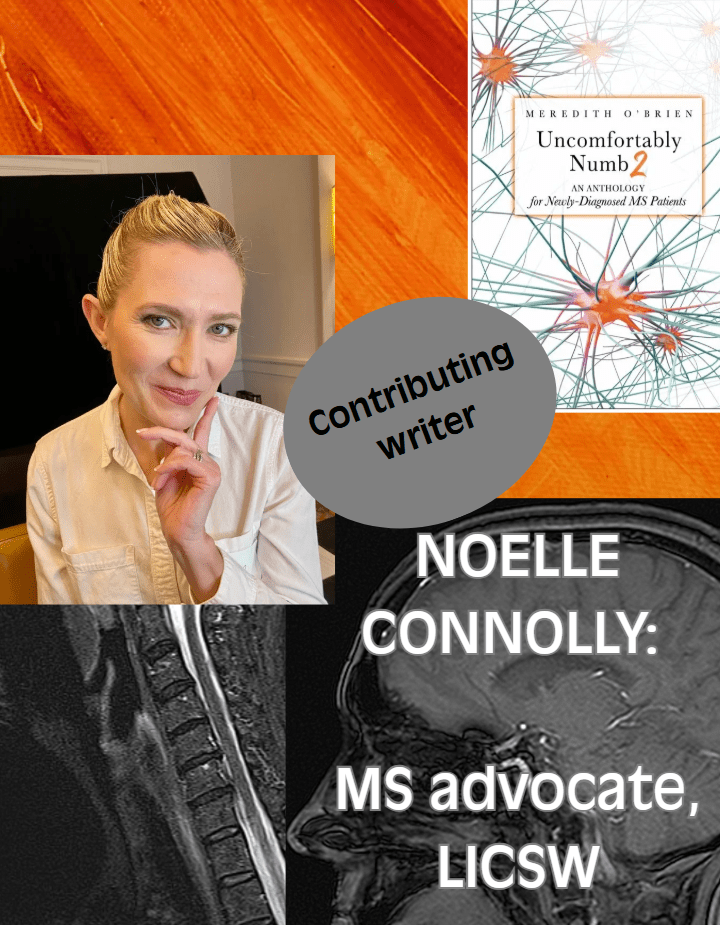
Noelle was a young teen away at school when she started to experience what would later be considered multiple sclerosis symptoms including numb feet, difficulty walking, nerve pain, and fatigue. At the time, she was dismissed as “a dramatic, 17-year-old blond girl.” It took until she was 23 and couldn’t control her left hand for her to receive the MS diagnosis. Now, Noelle, who has an Instagram account called MS.LivingBalanced is a powerful advocate for focusing on what one CAN do while living with MS. For the past several autumns, she’s participated in the Greater New England Chapter of the National MS Society’s fashion show, taking to the runway with her mobility devices. “I still make a difference,” she says, “and I’m still valued.”

Paige Butas wasn’t a casual weekend warrior. An endurance athlete who seriously competed in triathlons, when she was in her late thirties she suddenly experienced numbness on her head “that spread down the entire right side of my face over the course of a week,” in addition to “auditory hallucinations.” A physician told her she might develop MS saying, “It’s not a matter of if but when you have another episode.” It took four years for her to get the officials MS diagnosis. She handled her frustrations and deep disappointment about the changes multiple sclerosis made to her life by channeling them into TikTok videos meant to educate and provide community to fellow MSers. Here’s her TikTok account.
podcasting with ra cook & ms doc brandon beaber

Multiple sclerosis challenges ranging from misdiagnoses and obtaining work accommodations, to advocating for chronic illness causes and writing from the patient perspective were chief among the many issues I recently discussed with two podcasters.

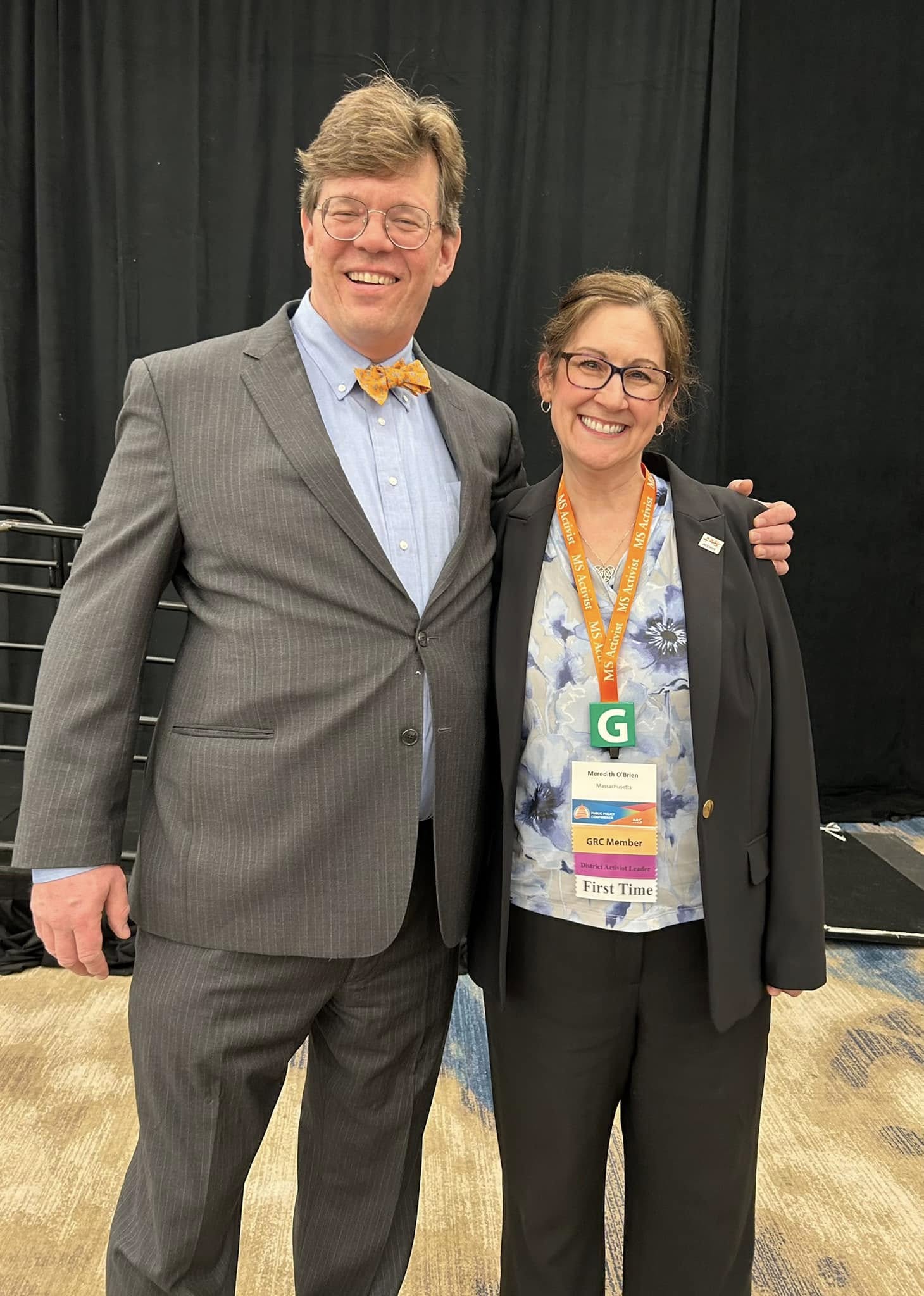
Southern California’s Dr. Brandon Beaber, a neurologist specializing in multiple sclerosis, chatted with me recently for his podcast about my new book, Uncomfortably Numb 2: An Anthology for Newly-Diagnosed MS Patients, touching on topics like when or whether to tell people you have MS and what lessons I’ve learned since I was diagnosed in 2014. Spoiler alert: There’ve been a lot of them.

Meanwhile, podcaster RA Cook, a fellow author and western Massachusetts native, hosted me as a guest on her podcast, Well Done You. Our wide-ranging conversation addressed topics like writing and teaching journalism at the university level, to being a multiple sclerosis patient and advocating for issues facing those living with chronic illnesses.

I was honored to be a part of both of their podcasts.

Be sure to follow Dr. Beaber’s podcasts here and RA Cook’s podcasts here.

uncomfortably numb 2: ‘amazing resource’

MS Activist and Influencer Jodi Dwyer said the new multiple sclerosis anthology Uncomfortably Numb 2 would’ve been “an amazing resource” had she had it in her hands when she was first diagnosed.

That was the goal of this sequel to my MS memoir. It was to create a guide that I wish I’d had when I received my own diagnosis in 2014. Comprised of stories from patients with varying stages of MS, Uncomfortably Numb 2 includes stories from a woman who was diagnosed as a teen and a neurologist who treats adult and pediatric MS patients.

lobbying for ms-related causes on capitol hill

It’s been hectic here in my neck of the woods. Between promoting my new novel Louie on the Rocks, prepping the May 6 release of Uncomfortably Numb 2: An Anthology for Newly-Diagnosed MS Patients, and teaching two journalism courses, I’ve also been doing volunteer work for the National MS Society.

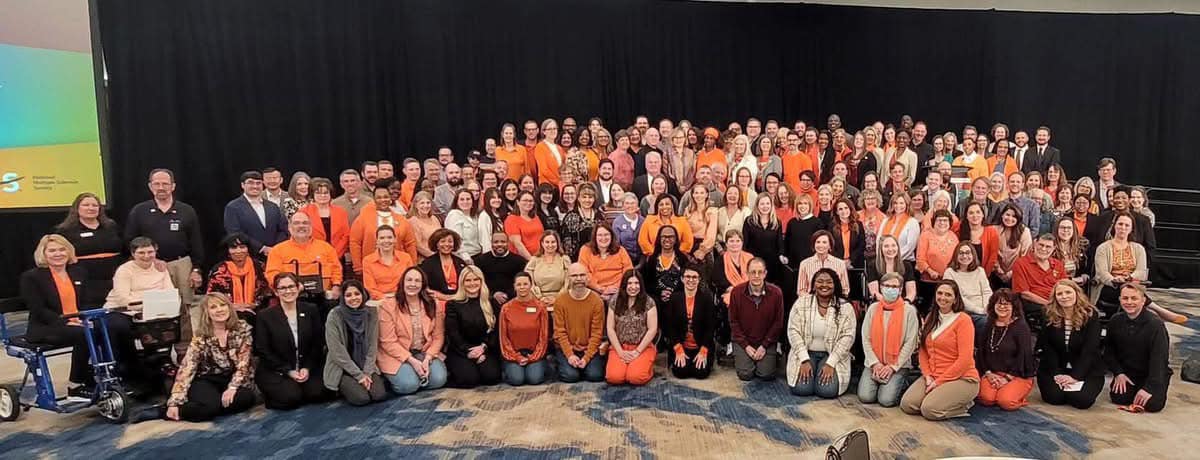
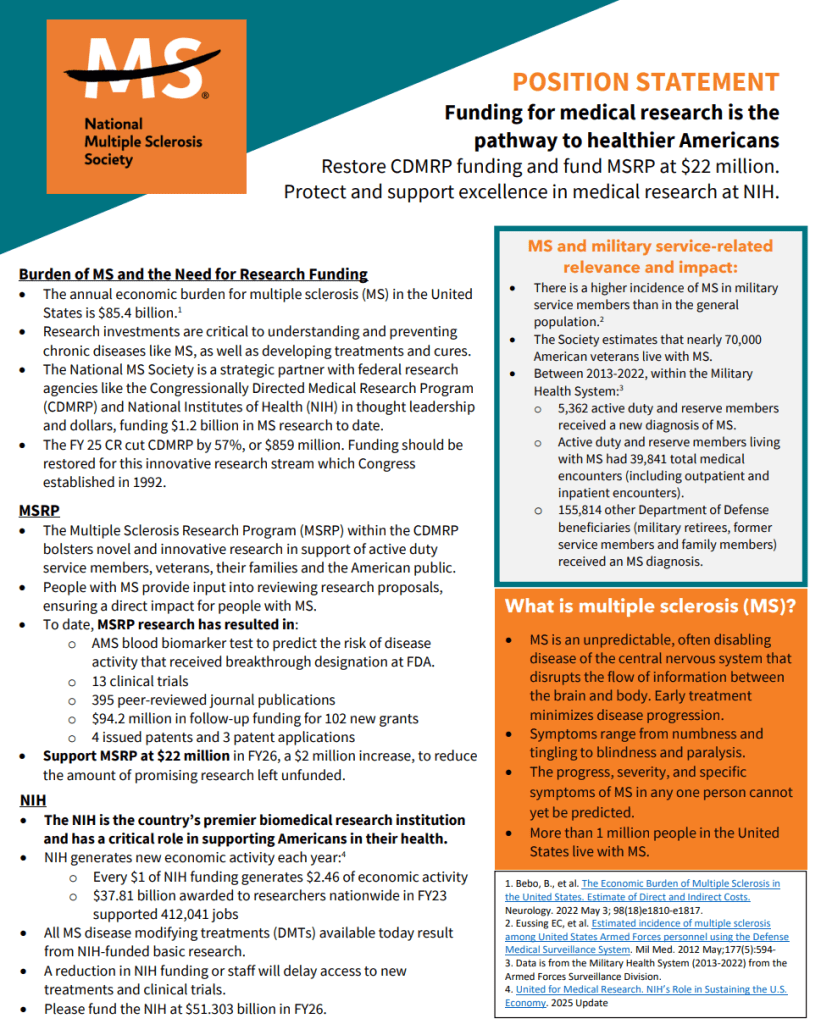
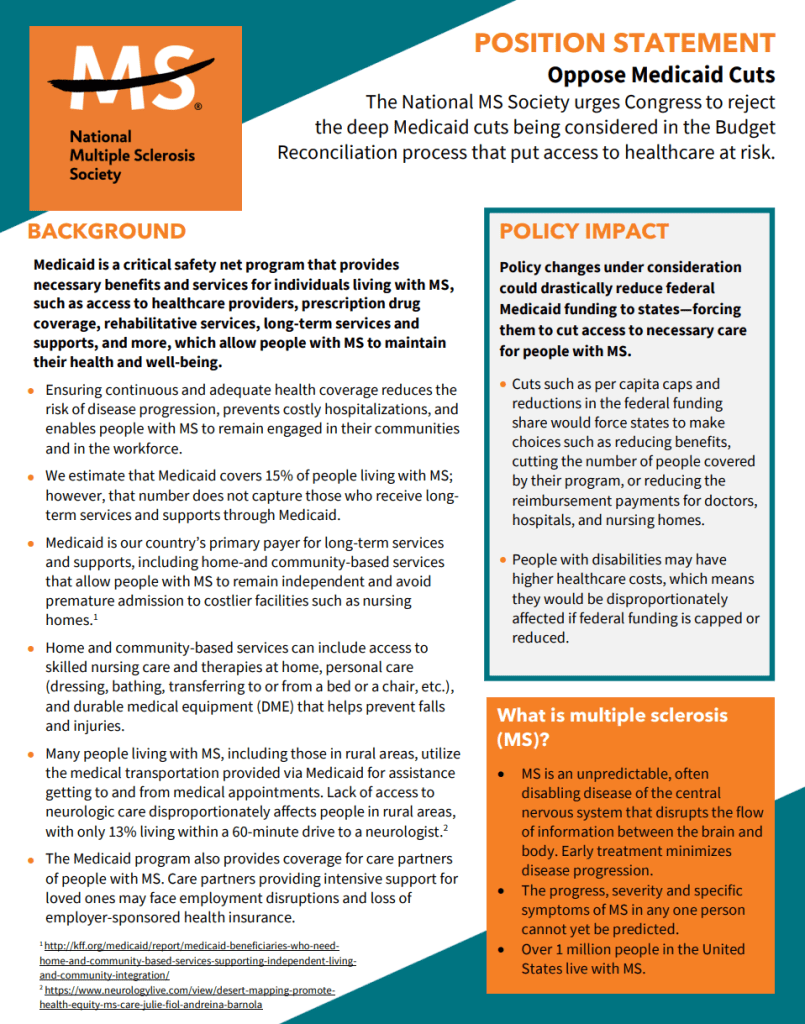
In March 2025, I attended the Society’s three-day Public Policy Conference in Washington, D.C. which culminated with visits to Capitol Hill to discuss with our members of Congress two issues: the restoration of funds for Congressionally-Directed Medical Research for Multiple Sclerosis (MSMR) and requesting that our elected officials reject deep cuts to Medicaid on which over 15 percent of MS patients rely.

It was a fraught and contentious atmosphere in which to be visiting the Hill. A few of our volunteer MS Activists — many of whom have MS themselves — reported being met with disrespectful staffers, including one who complained that he was “tired of all the lies” when it came to their Medicaid pitch.

During the training portion of our conference, MS Society volunteers heard from Evan Conant, a full-time employed husband whose wife has severe MS to the point where she needs round-the-clock care in their home. They have private health insurance through his work, but were shelling out over $70,000 annually for her care, which he said was financially unsustainable. They learned of a Medicaid waiver program which enables people who demonstrate tremendous need to be able to pay monthly premiums (if your state allows it) in order to get assistance with medical costs. In Conant’s case, after three years of rigorous vetting, he said his family was allowed to buy into the program to provide four hours of health aide coverage so he could continue working and his wife was safe in their home. This is the kind of story that was met with disregard for some folks (as examples of “waste, fraud, and abuse in the system”), whereas, historically, MS Activists have said, they’ve been warmly welcomed by lawmakers because multiple sclerosis issues, and the MS Society as a whole, are nonpartisan.

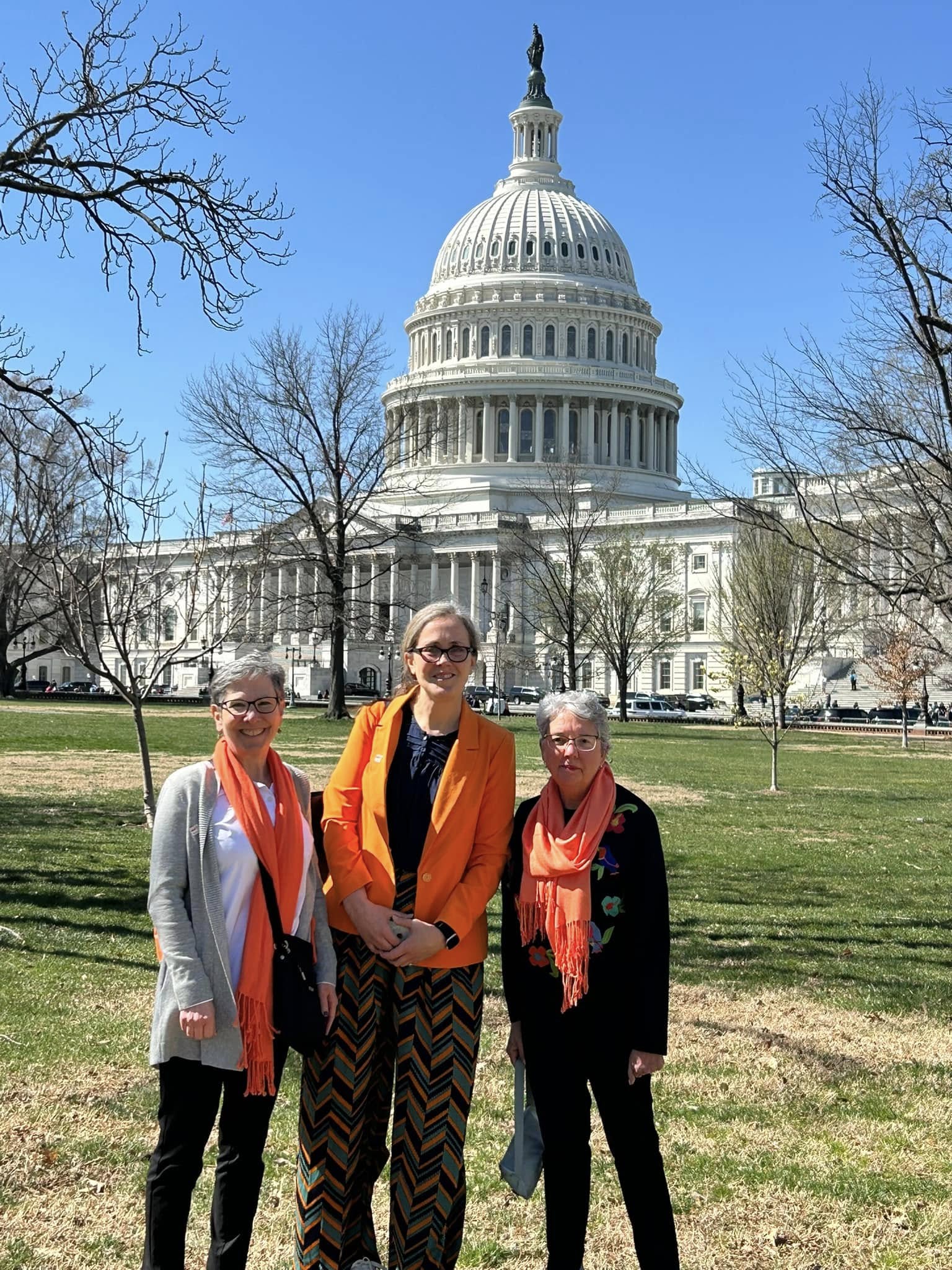
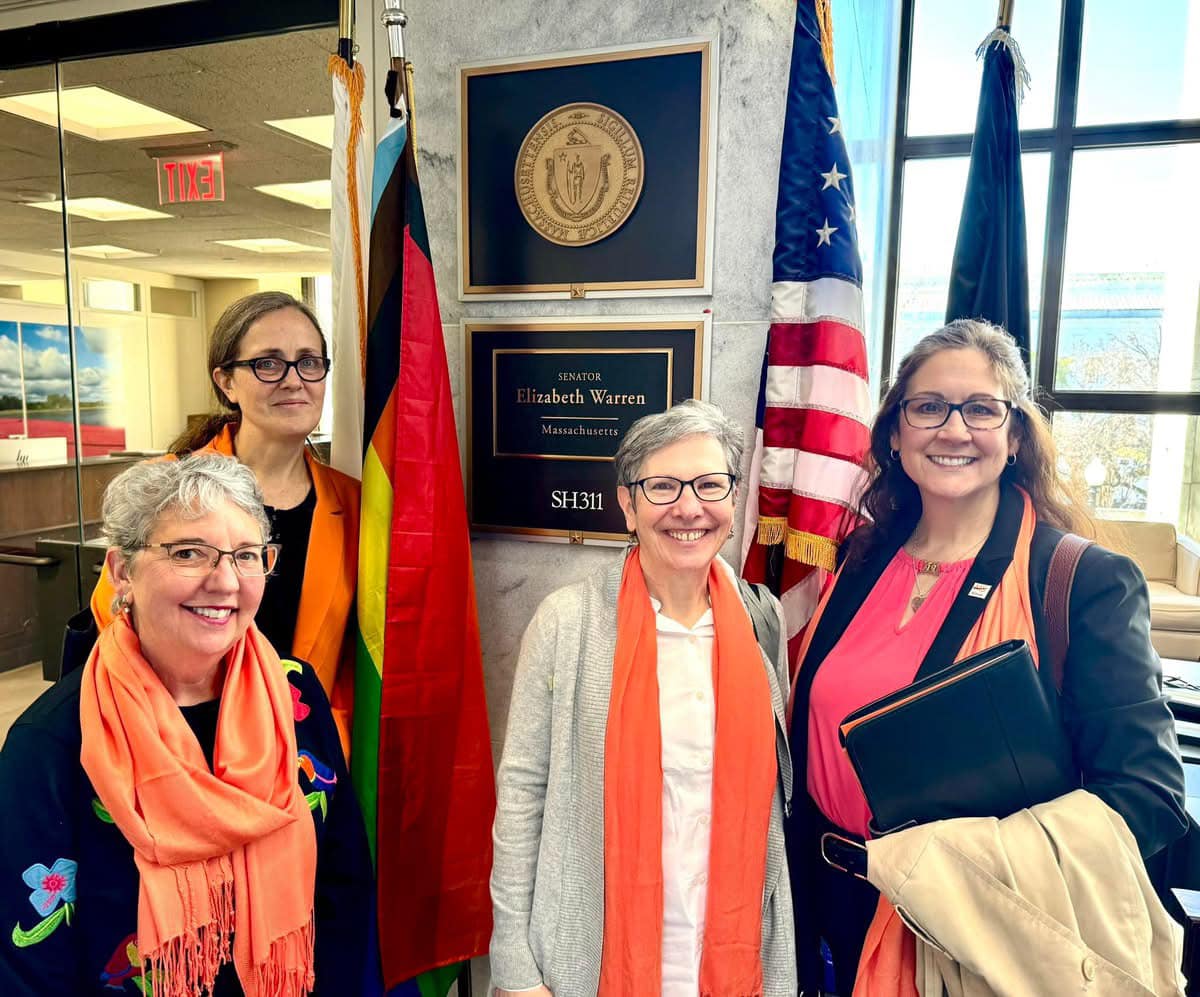
However my Massachusetts crew (pictured in the photos above), was fortunate in that all of our meetings — with US Senator Elizabeth Warren and Ed Markey’s staffers, as well as with congressional staffers from our various districts — went well. Staffers were uniformly understanding and kind, even if some were palpably stressed by what’s currently transpiring in Washington, D.C.

Will volunteer MS patients speaking up for MS research help? I know that without prior medical research into possible MS treatments, the medicines upon which I rely to cope with my MS symptoms and to prevent more spinal and brain lesions from forming would likely have NOT been developed. My life could look much different. Who knows if I’d be working, or writing, or volunteering. And for working folks whose MS is severe and requires services they can’t afford, sharing their stories with people who control the funding mechanisms of government, could, perhaps move a person or two. Sometimes, that’s all you need.

Advocating for policies and laws needed by those with chronic illnesses, like MS, is a subject I cover in my forthcoming book, Uncomfortably Numb 2 (available for pre-order). This is a relatively recent (since 2022) endeavor for me, this advocating business, but it’s left me feeling as though, even though I can’t control my what ultimately happens with my MS, I can use my voice to try to make the world a bit better for people with chronic illnesses. It also makes me feel less alone in the fight. We’re stronger, the saying goes, when we fight together.

umass journalism hosts memoirists

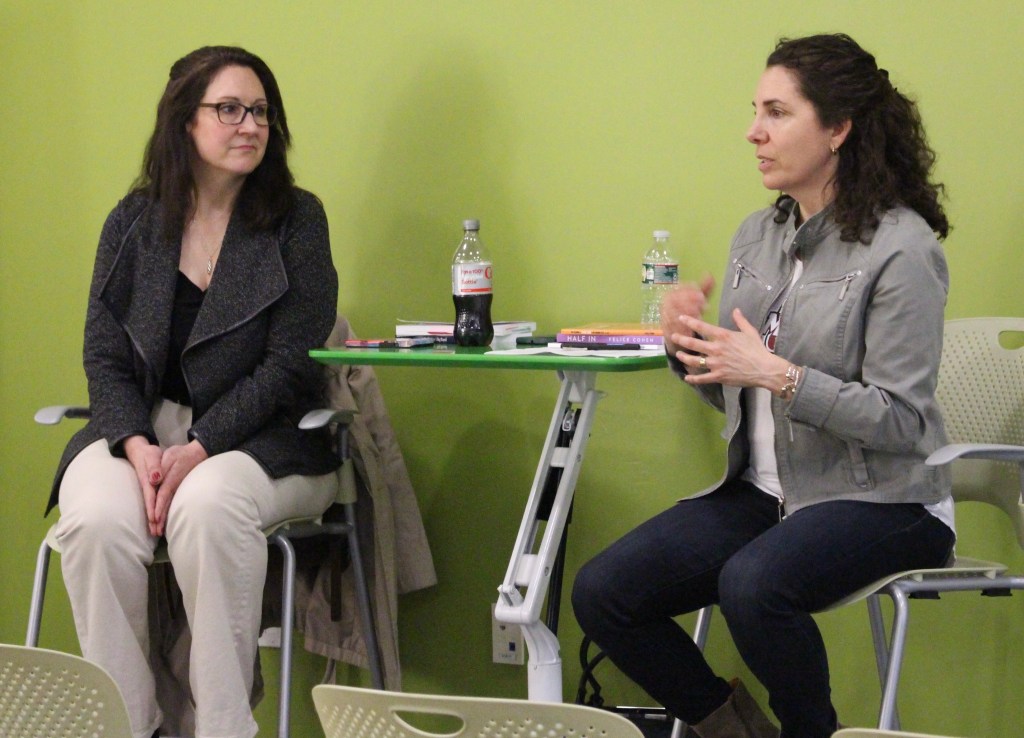
The UMass Journalism Department graciously invited my former UMass/Massachusetts Daily Collegian pal, the award-winning writer Felice Cohen, and me to talk about our experiences writing memoir.

In late April, Felice told attendees that her family read early drafts of her UMass-based memoir, Half In which reveals her 1990s love affair with a much older woman — and said they were supportive of her relating the truth of her experience. She said she heavily relied on the journals she kept during that time to refresh her memory about specific events and conversations, which, in the book, are very detailed. Felice is currently working on what she called a “reverse memoir” using letters she’s received throughout her life.

I, meanwhile, totally put my husband Scott on the spot and asked him what he thought about being portrayed and quoted in my memoir, Uncomfortably Numb, which traces the first several years of my life with multiple sclerosis. His reply? He trusts me (!) to tell my “truth” since I’ve been writing about my life –and, consequently, him — ever since we met when we were undergrads.

It was wild to look around the state-of-the-art Journalism Hub and to later visit the freakishly clean Collegian offices — which, years ago, moved out of its original location in the windowless Campus Center basement. Gone were the days of that smelly, lumpy sofa in the Journalism Department and of messy student newspaper offices with stacks of papers and all manner of wires snaking up the walls and across floors like out-of-control ivy.

Another major difference on the Amherst campus? The dining hall. Not necessarily the halls themselves, but the food within them which is now top notch, a far cry from when the chicken cutlet sandwiches were referred to as “chicken pucks” and the highlight of the week was when fried French toast sticks were on the menu. It’s no wonder why, when I asked my younger son who graduated last year, where we should go out to eat and he said, “The dining hall.”

new essay: ‘poison in a coffee cup’ in pangyrus lit mag

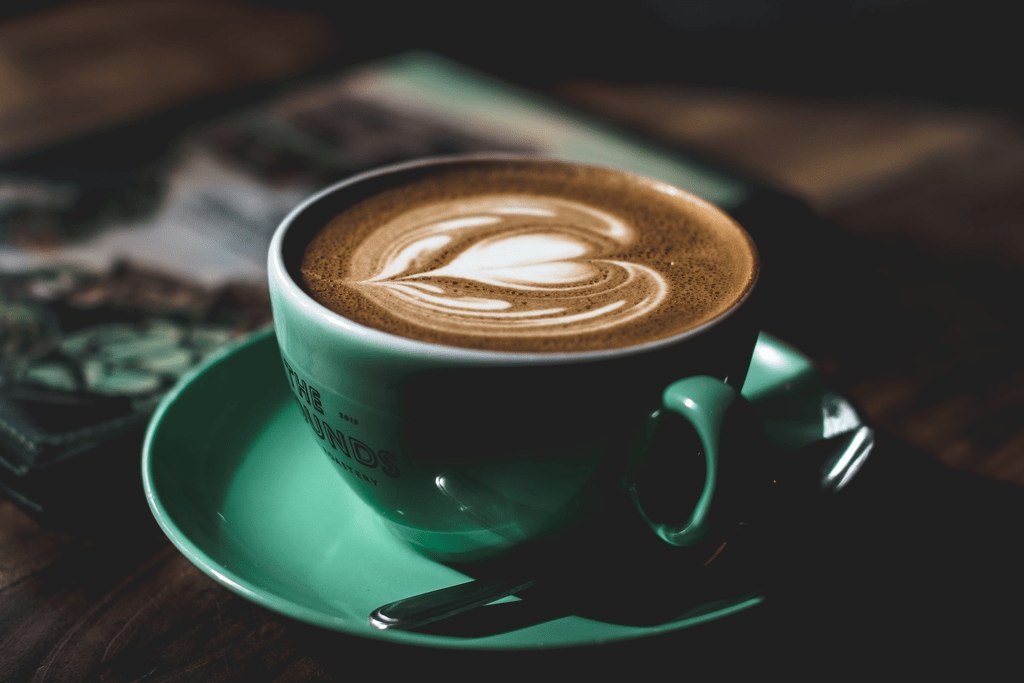
The Boston-area literary magazine Pangyrus recently published a braided essay I wrote about the impact of being severely allergic to food containing dairy products. The incident around which the piece is constructed was my accidental March 2023 ingestion of some kind of dairy product in spite of ordering an oat milk latte and a vegan burrito (presumably dairy-free) at an upscale Seattle coffee shop. My rapid consumption led to a trip to the ER.

Ironically, later that afternoon, I had been slated to attend a session at the writers’ conference about writing about one’s disabilities. I was most looking forward to meeting writer Sandra Beasley, someone whose work has delved into her life-altering and life-threatening food allergies. Sadly, I was sitting in an ER bay with epinephrine and steroids flowing through my veins when Sandra started speaking on her panel. I had to later watch her session online from the safety of my Boston area home.

Here’s how the Pangyrus essay begins:

A black bulldog, strapped into a red harness, peers over its person’s shoulder and stares at me. We’re in a line at a small, indie coffee shop, where I’m jonesing for some of that famous Seattle coffee. The bulky canine in front of me, indifferently sniffing the air once I become a boring subject to observe, is likely hoping for a morsel of some of the baked goods the scents of which are subtly threaded through the heavy coffee aroma. 

A New Englander, I’m a regular at my local Dunkin’ Donuts, although I occasionally go to Starbucks to splurge for an oat milk latte. Most mornings, I use my Keurig machine to brew two cups of coffee, hoping that the caffeine will force my brain to focus, like when you need to reboot a laptop. Control. Alt. Delete. 

This coffee shop near Lake Union, not far from one of the several Google office buildings in the city, is brimming with Millennials and Gen Zers, many in running gear and coated with a thin sheen of perspiration. The room is loud as benign chatter bounces off the spartan walls. I feel the sound in my chest. Scott and I — early Gen Xers — definitely feel our age.

To read the rest of the essay in which I experience anaphylactic shock — see the pics above of me in the ER AFTER I’d been injected with medications, when the swelling around my eyes had lessened and I was able to breath easier — click here.

Image credit: Pangyrus.

uncomfortably numb’s now an audiobook: get 50% off!

Uncomfortably Numb — my medical memoir about the life-altering impact of a multiple sclerosis diagnosis — has been transformed into an audiobook.

I can’t tell you how odd it is to have this intensely personal story about my health and ultimate MS diagnosis, which occurred months after my 65-year-old mother died from a fast-moving cancer, read aloud by somebody else.

When I was first approached about having the memoir professionally narrated, I was excited but also concerned. How could anyone possibly use the emphasis I intended, the specific tone of voice that was in my head when I wrote those words, I wondered.

Well, in the trusted hands of narrator Erin deWard, I fret no longer.

While the audiobook is available on Amazon, it is also on sale for half price at Audiobooks.com until the end of January.

I’m thrilled to have Uncomfortably Numb now available to those who prefer audible formats. Let me know what you think!

Image credit: Audiobooks.com.

‘another game day’ essay in narrative medicine lit mag

I was honored to have my essay, “Another Game Day,” published by Intima: A Journal of Narrative Medicine.

The essay — structured around my disappointment about having to miss yet another Boston Red Sox game due to multiple sclerosis — is an exploration of how, since being diagnosed with MS in 2014, I’ve been on a long learning curve adjusting to my new normal, adjusting to an unpredictable life with chronic illness.

The essay begins this way:

It was game day.

I had tickets to see my beloved Red Sox play at historic Fenway Park. They were in the hunt for a Wild Card playoff spot.

But I couldn’t attend the game.

Again.

Why? Because it was going to be hot and humid. Because the weather conditions – not the spate of uneven Red Sox performances – would make me ill. Because multiple sclerosis has caused damage to the area of my brain that controls my temperature and, when I’m in hot and humid conditions, that damage causes me to, essentially, short-circuit.

Marleen Pasch

Over on Intima’s blog, Crossroads, writer Marleen Pasch, compared themes in “Another Game Day” with a newly-published essay of her own, “Rocks and River.”

Pasch (on right) said, “O’Brien understands the need to assess risk then listen to and heed the more protective voice of wisdom.”

Read Pasch’s Intima essay here.