My latest book, Uncomfortably Numb 2: An Anthology for Newly-Diagnosed MS Patients, is chockfull of stories, some inspiring, and some enraging.
It’s only because MS patients and professionals were willing to take the time to answer my questions, share their experiences — some of them excruciatingly personal — that I have this book at all.
I want to express my boundless appreciation to the folks who made Uncomfortably Numb 2 possible. Today’s post is dedicated to three of the contributors: Sarah Quezada, Noelle Connolly, and Paige Butas.
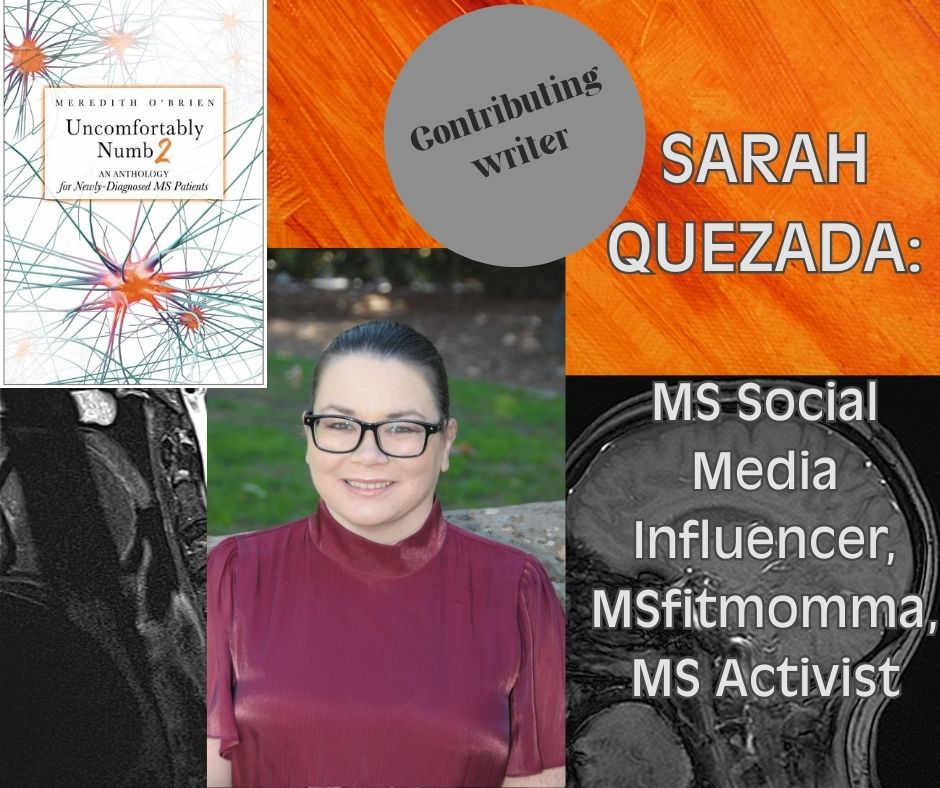
I met Sarah Quezada in Washington, D.C. this past March when we were both volunteer patient advocates for the National MS Society getting ready to descend on the Capitol to plead with our elected officials to protect Medicaid from steep cuts and to maintain the bipartisan, $22 million MS research program through the Department of Defense. Sarah met her task with enthusiasm and determination. She is a force. She has not only cultivated an online following for her Instagram page MSfitmomma, but she uses her voice to speak up for those who will be affected by various government policies.
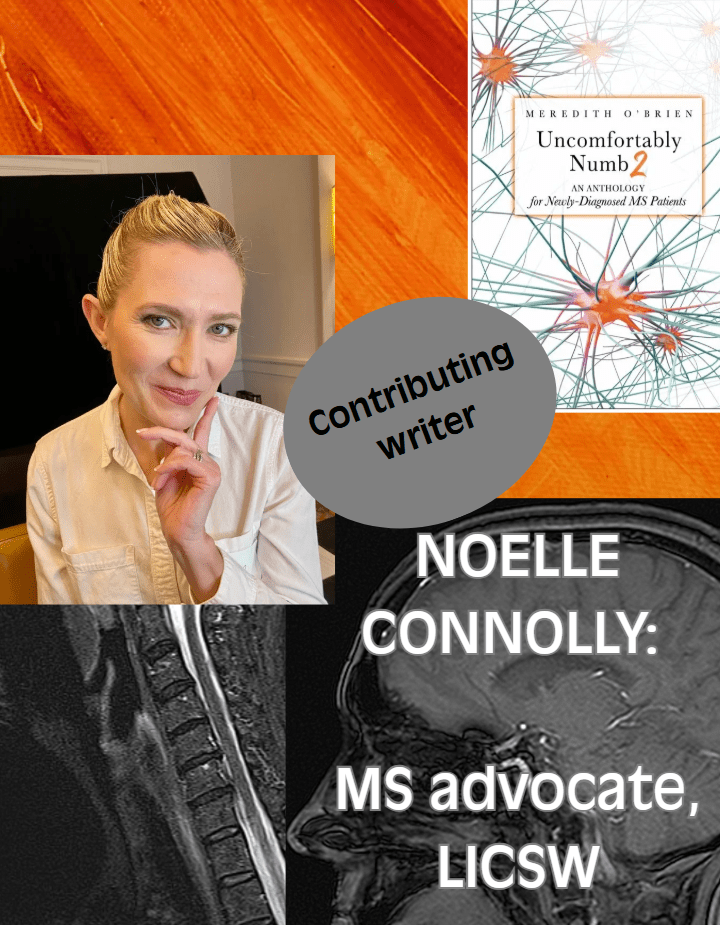
Noelle was a young teen away at school when she started to experience what would later be considered multiple sclerosis symptoms including numb feet, difficulty walking, nerve pain, and fatigue. At the time, she was dismissed as “a dramatic, 17-year-old blond girl.” It took until she was 23 and couldn’t control her left hand for her to receive the MS diagnosis. Now, Noelle, who has an Instagram account called MS.LivingBalanced is a powerful advocate for focusing on what one CAN do while living with MS. For the past several autumns, she’s participated in the Greater New England Chapter of the National MS Society’s fashion show, taking to the runway with her mobility devices. “I still make a difference,” she says, “and I’m still valued.”

Paige Butas wasn’t a casual weekend warrior. An endurance athlete who seriously competed in triathlons, when she was in her late thirties she suddenly experienced numbness on her head “that spread down the entire right side of my face over the course of a week,” in addition to “auditory hallucinations.” A physician told her she might develop MS saying, “It’s not a matter of if but when you have another episode.” It took four years for her to get the officials MS diagnosis. She handled her frustrations and deep disappointment about the changes multiple sclerosis made to her life by channeling them into TikTok videos meant to educate and provide community to fellow MSers. Here’s her TikTok account.


 Meredith OBrien