It’s only because MS patients and professionals were willing to take the time to answer my questions, share their experiences — some of them excruciatingly personal — that I have this book at all.
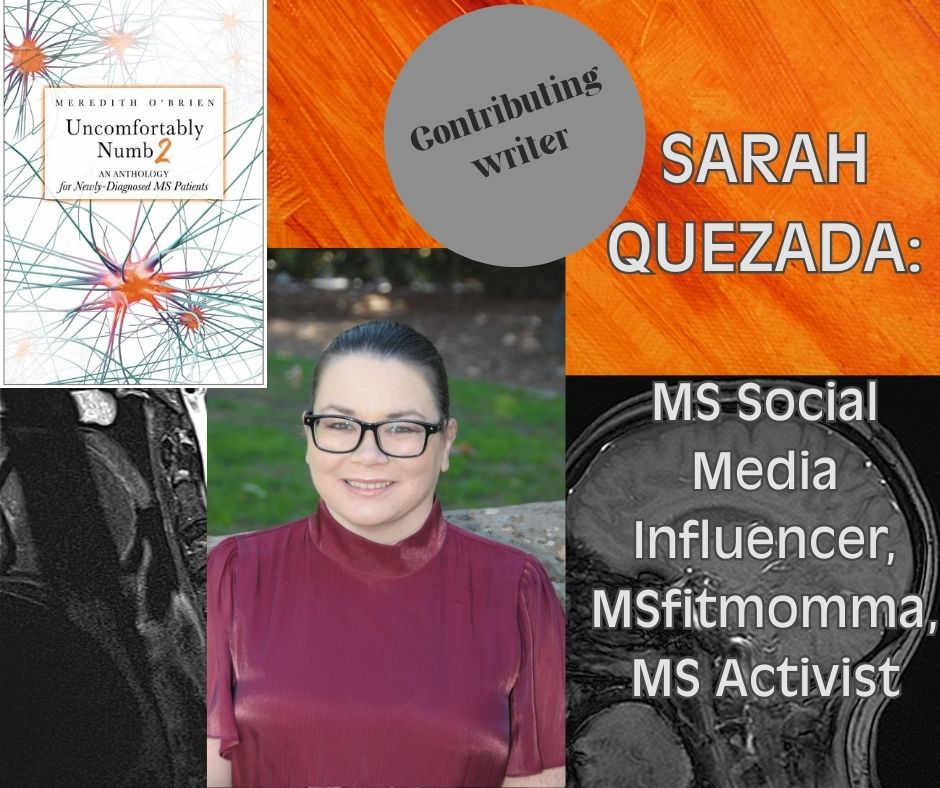
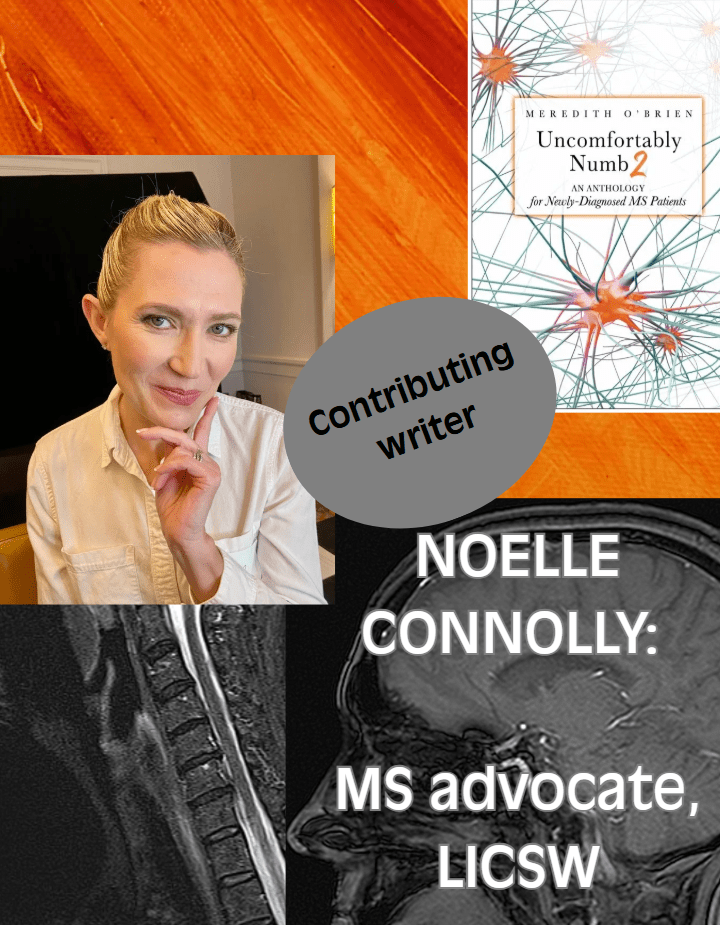
I want to express my boundless appreciation to the folks who made Uncomfortably Numb 2 possible. Today’s post is dedicated to three of the contributors: Sarah Quezada, Noelle Connolly, and Paige Butas.
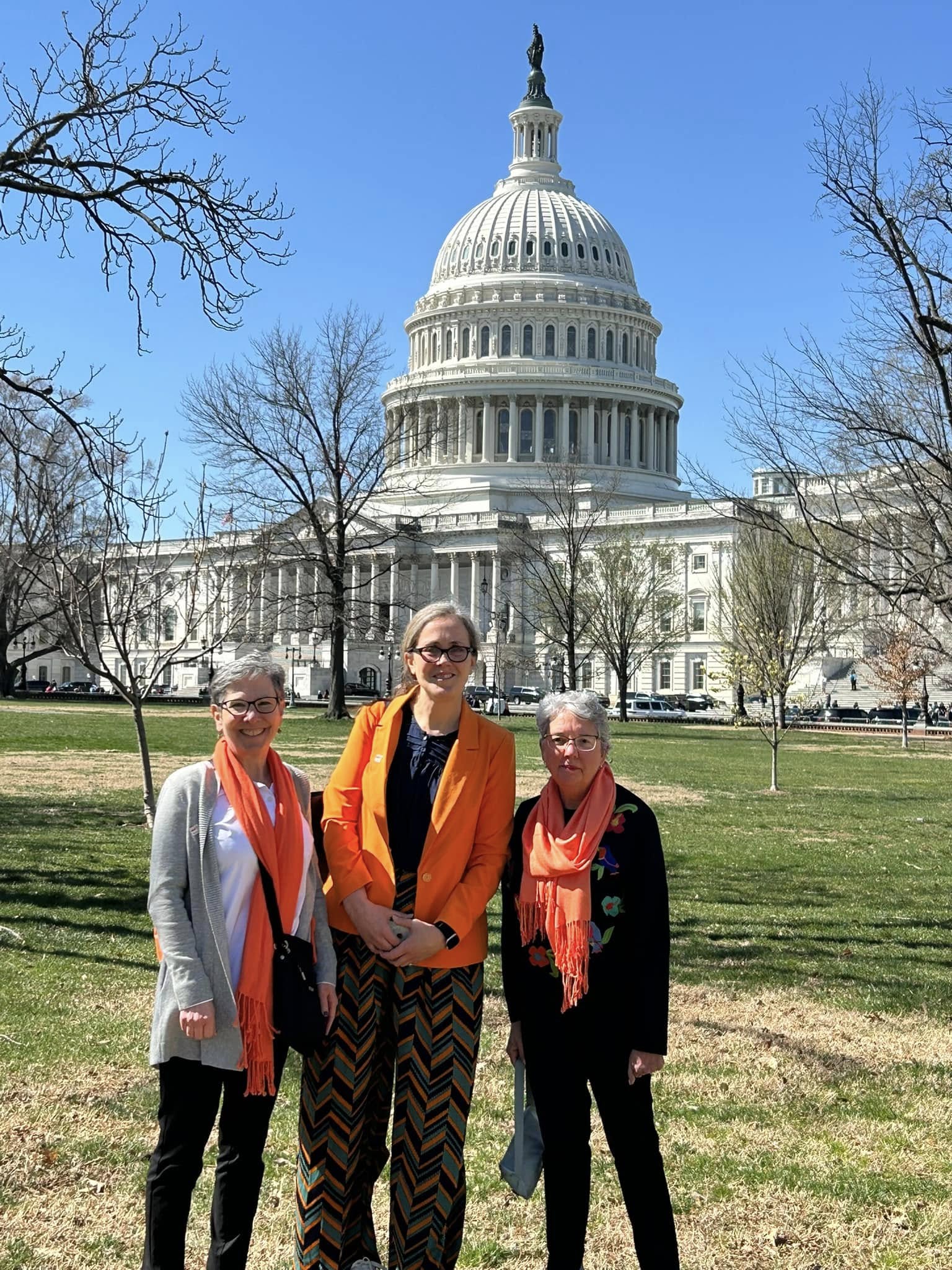
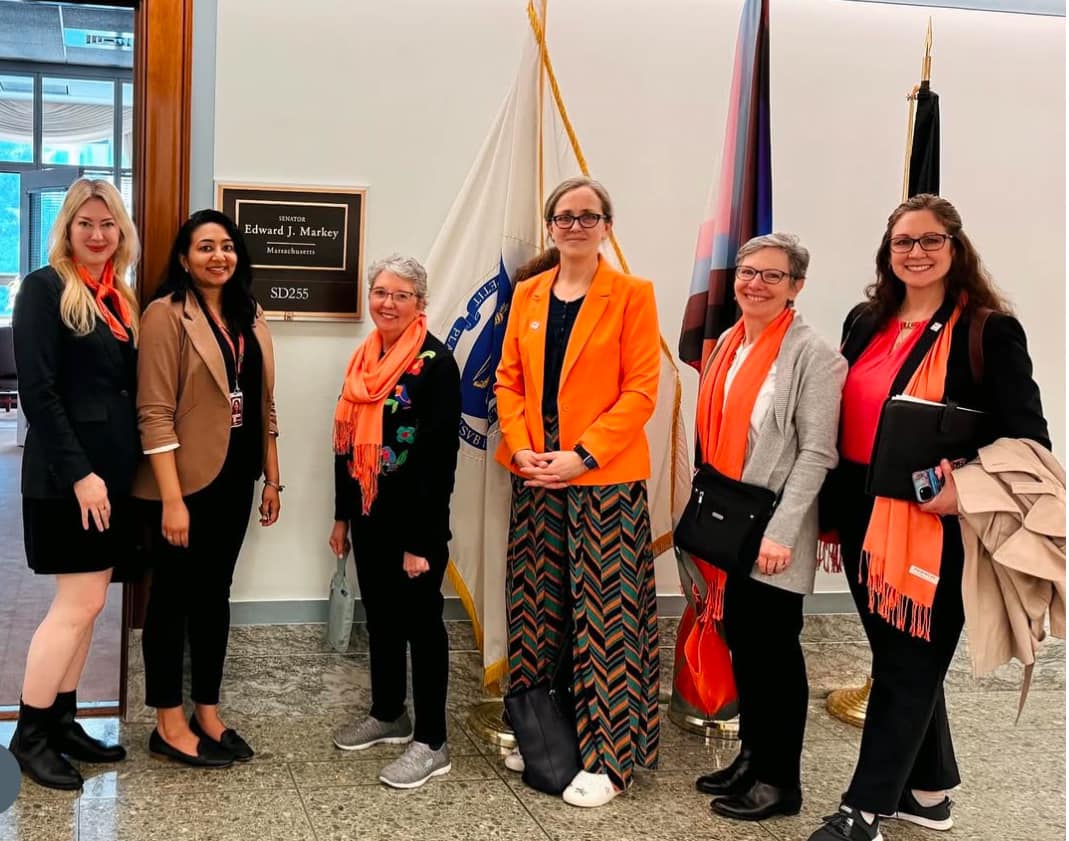
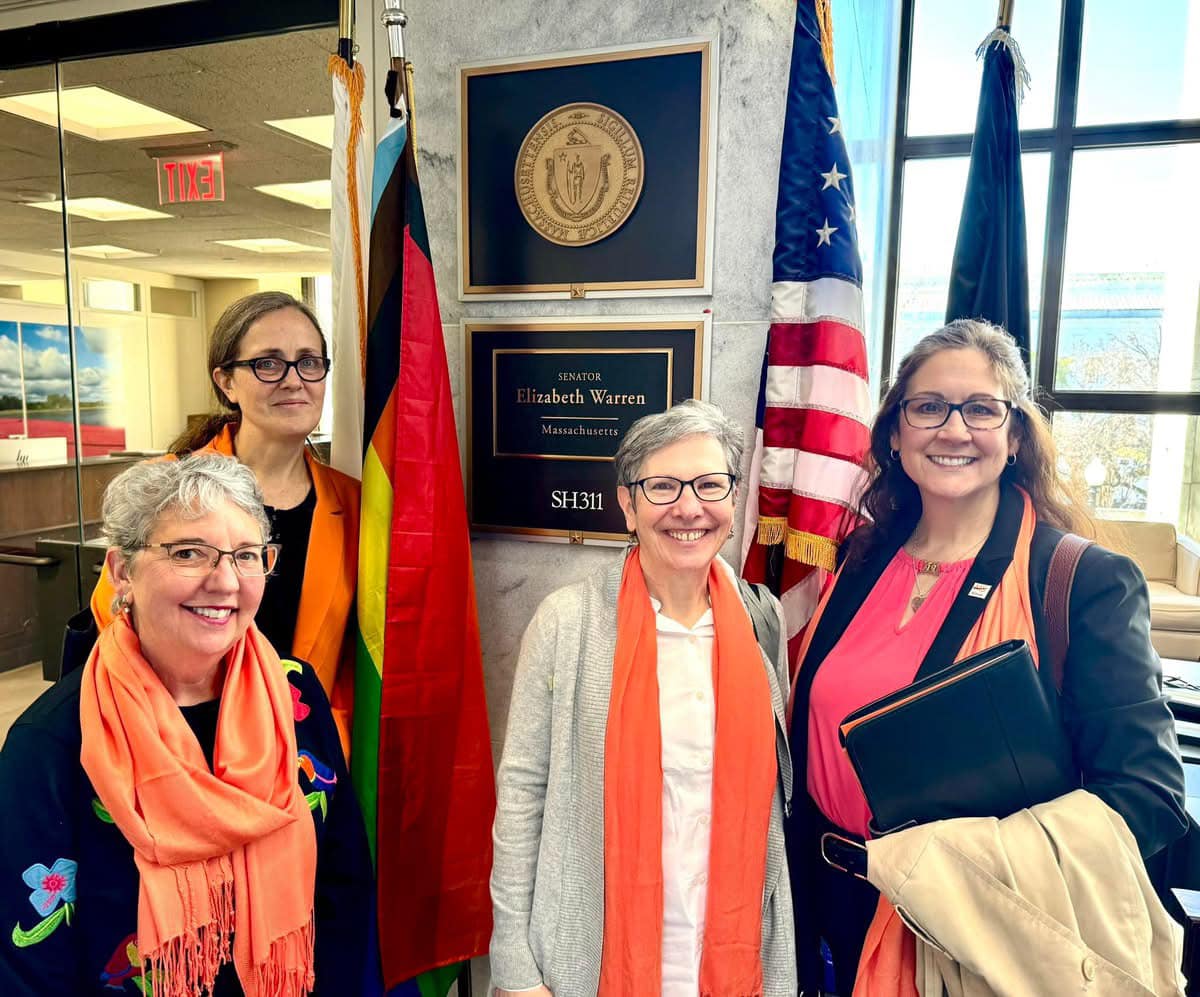
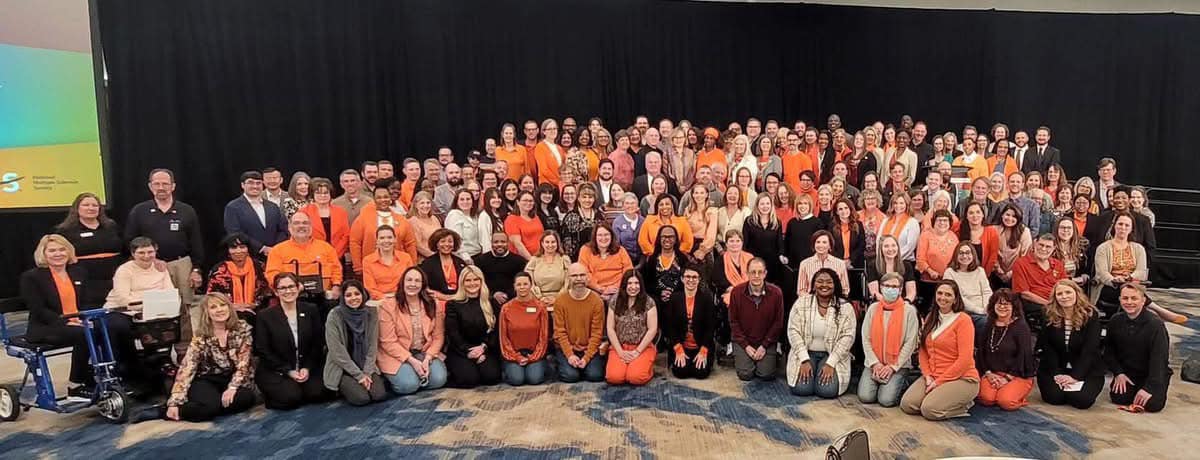
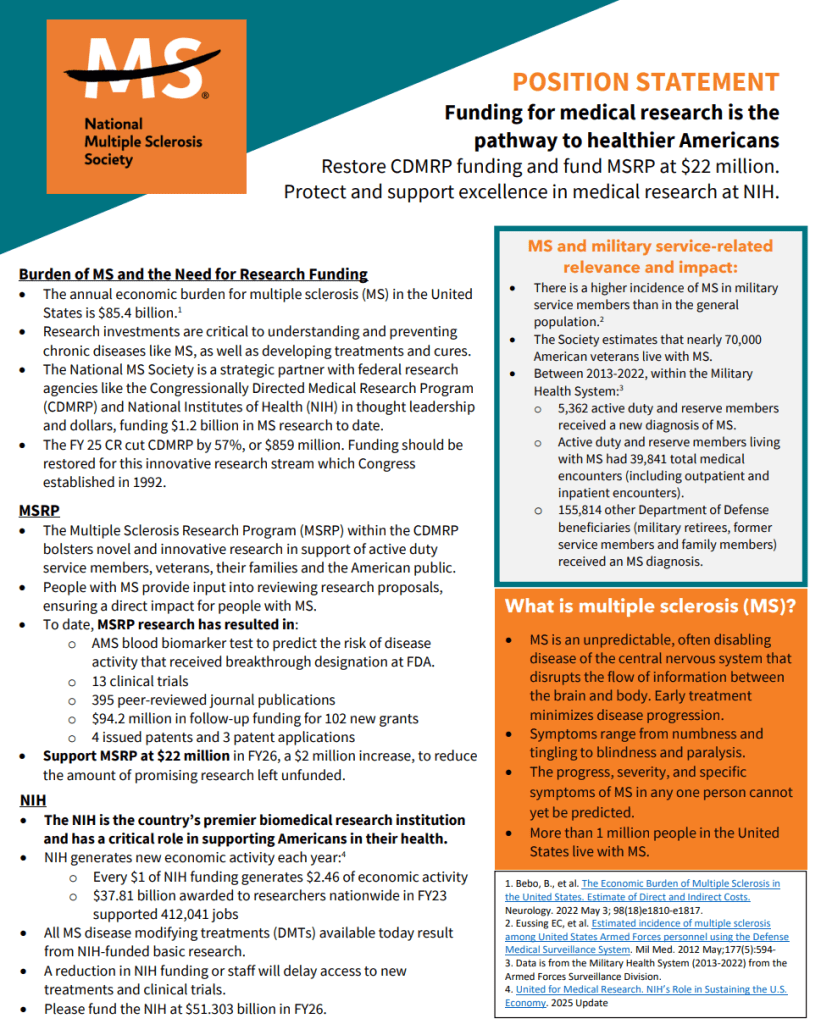
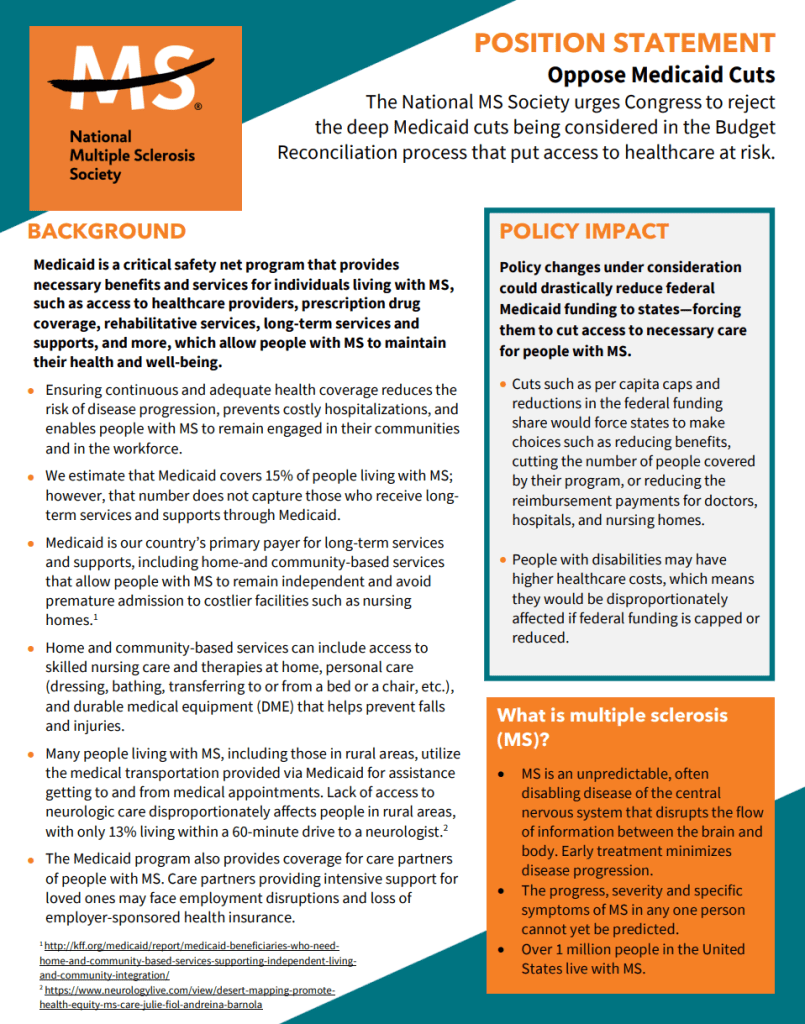
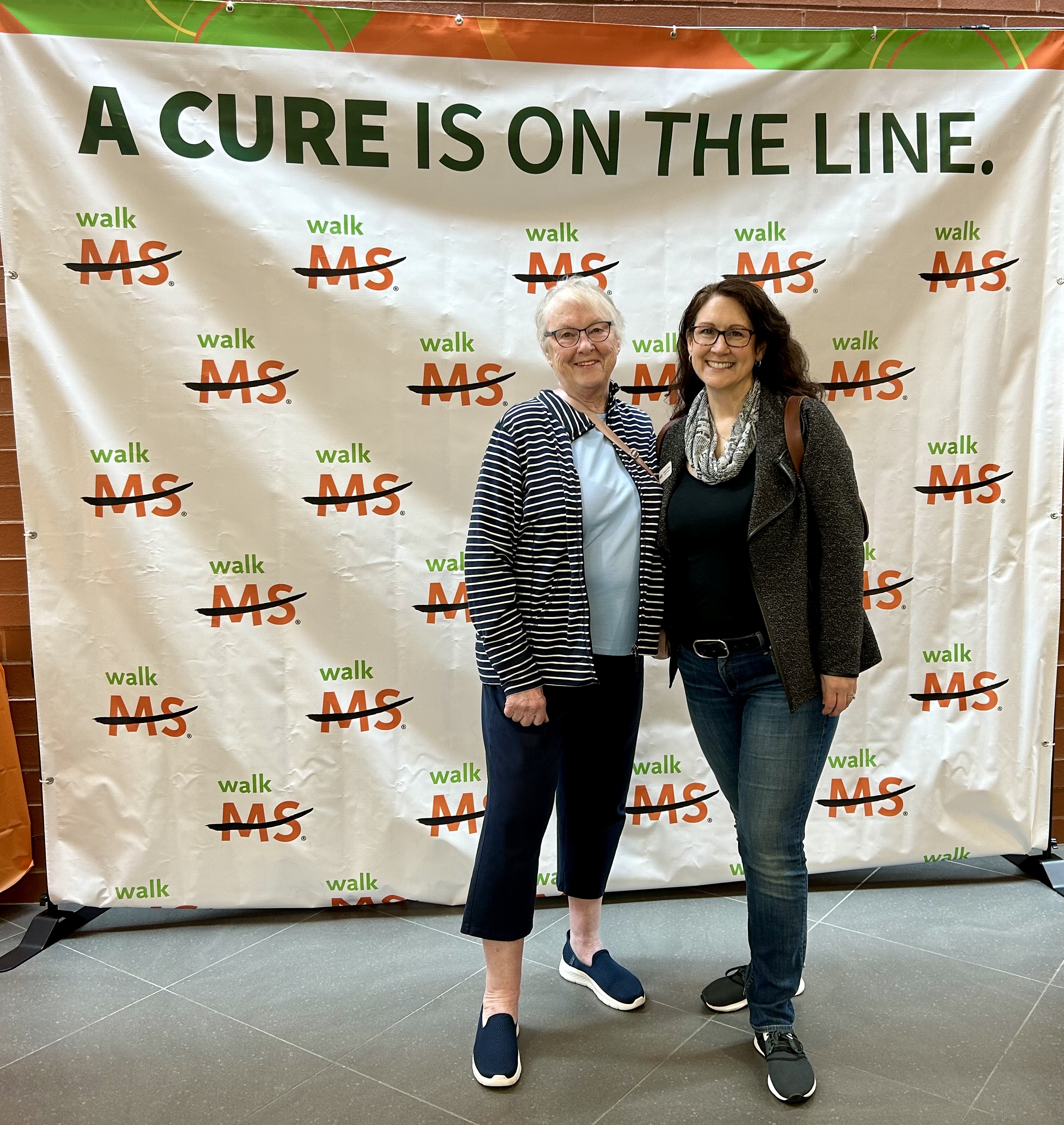
I met Sarah Quezada in Washington, D.C. this past March when we were both volunteer patient advocates for the National MS Society getting ready to descend on the Capitol to plead with our elected officials to protect Medicaid from steep cuts and to maintain the bipartisan, $22 million MS research program through the Department of Defense. Sarah met her task with enthusiasm and determination. She is a force. She has not only cultivated an online following for her Instagram page MSfitmomma, but she uses her voice to speak up for those who will be affected by various government policies.
Noelle was a young teen away at school when she started to experience what would later be considered multiple sclerosis symptoms including numb feet, difficulty walking, nerve pain, and fatigue. At the time, she was dismissed as “a dramatic, 17-year-old blond girl.” It took until she was 23 and couldn’t control her left hand for her to receive the MS diagnosis. Now, Noelle, who has an Instagram account called MS.LivingBalanced is a powerful advocate for focusing on what one CAN do while living with MS. For the past several autumns, she’s participated in the Greater New England Chapter of the National MS Society’s fashion show, taking to the runway with her mobility devices. “I still make a difference,” she says, “and I’m still valued.”
Paige Butas wasn’t a casual weekend warrior. An endurance athlete who seriously competed in triathlons, when she was in her late thirties she suddenly experienced numbness on her head “that spread down the entire right side of my face over the course of a week,” in addition to “auditory hallucinations.” A physician told her she might develop MS saying, “It’s not a matter of if but when you have another episode.” It took four years for her to get the officials MS diagnosis. She handled her frustrations and deep disappointment about the changes multiple sclerosis made to her life by channeling them into TikTok videos meant to educate and provide community to fellow MSers. Here’s her TikTok account.
Multiple sclerosis challenges ranging from misdiagnoses and obtaining work accommodations, to advocating for chronic illness causes and writing from the patient perspective were chief among the many issues I recently discussed with two podcasters.
Southern California’s Dr. Brandon Beaber, a neurologist specializing in multiple sclerosis, chatted with me recently for his podcast about my new book, Uncomfortably Numb 2: An Anthology for Newly-Diagnosed MS Patients, touching on topics like when or whether to tell people you have MS and what lessons I’ve learned since I was diagnosed in 2014. Spoiler alert: There’ve been a lot of them.
Meanwhile, podcaster RA Cook, a fellow author and western Massachusetts native, hosted me as a guest on her podcast, Well Done You. Our wide-ranging conversation addressed topics like writing and teaching journalism at the university level, to being a multiple sclerosis patient and advocating for issues facing those living with chronic illnesses.
I was honored to be a part of both of their podcasts.
On the week when we mark World MS Day, RealTalk MS host Jon Strum and I chatted about my new anthology of MS patient stories, about the power of advocacy for patients who often feel powerless in the face of their illness, and about trying to come to terms with the uncertainty that is the multiple sclerosis diagnosis.
Meanwhile, The Culture Buzz host John Busbee and I discussed my inadvertently of-the-moment novel, Louie on the Rocks, a vodka-soaked tale about an estranged father-daughter duo on opposite ends of the political spectrum.
I appreciate the spotlight these two folks put on my latest creations.
MS Activist and Influencer Jodi Dwyer said the new multiple sclerosis anthology Uncomfortably Numb 2 would’ve been “an amazing resource” had she had it in her hands when she was first diagnosed.
That was the goal of this sequel to my MS memoir. It was to create a guide that I wish I’d had when I received my own diagnosis in 2014. Comprised of stories from patients with varying stages of MS, Uncomfortably Numb 2 includes stories from a woman who was diagnosed as a teen and a neurologist who treats adult and pediatric MS patients.
I’m thrilled that the sequel to my 2020 medical memoir is now on sale. Uncomfortably Numb 2: An Anthology for Newly-Diagnosed MS Patients tells the stories of a variety of multiple sclerosis patients who are in varying stages of the autoimmune disease. A neurologist who specializes in MS and pediatric neurology, as well as a National MS Society state advocacy professional’s stories are also included.
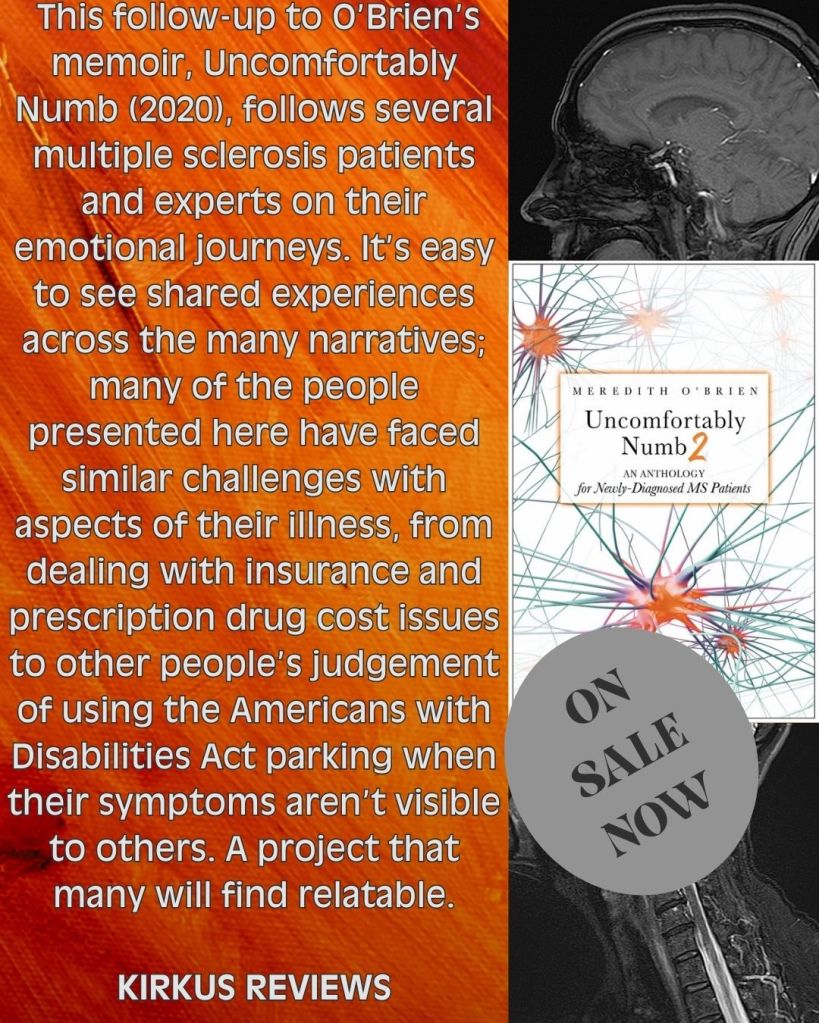
Kirkus Reviews gave it a shoutout:
This follow-up to O’Brien’s memoir, Uncomfortably Numb (2020), follows several multiple sclerosis patients and experts on their emotional journeys. It’s easy to see shared experiences across the many narratives; many of the people presented here have faced similar challenges with aspects of their illness, from dealing with insurance and prescription drug cost issues to other people’s judgement of using the Americans with Disabilities Act parking when their symptoms aren’t visible to others. A project that many will find relatable.
The president and CEO of the National Multiple Sclerosis Society, Dr. Tim Coetzee was kind enough to write the foreword in which he says, “This book is essential readding for anyone who wants to fully understand the journey of MS from the perspective of those living with the disease.”
It was a fraught and contentious atmosphere in which to be visiting the Hill. A few of our volunteer MS Activists — many of whom have MS themselves — reported being met with disrespectful staffers, including one who complained that he was “tired of all the lies” when it came to their Medicaid pitch.
During the training portion of our conference, MS Society volunteers heard from Evan Conant, a full-time employed husband whose wife has severe MS to the point where she needs round-the-clock care in their home. They have private health insurance through his work, but were shelling out over $70,000 annually for her care, which he said was financially unsustainable. They learned of a Medicaid waiver program which enables people who demonstrate tremendous need to be able to pay monthly premiums (if your state allows it) in order to get assistance with medical costs. In Conant’s case, after three years of rigorous vetting, he said his family was allowed to buy into the program to provide four hours of health aide coverage so he could continue working and his wife was safe in their home. This is the kind of story that was met with disregard for some folks (as examples of “waste, fraud, and abuse in the system”), whereas, historically, MS Activists have said, they’ve been warmly welcomed by lawmakers because multiple sclerosis issues, and the MS Society as a whole, are nonpartisan.
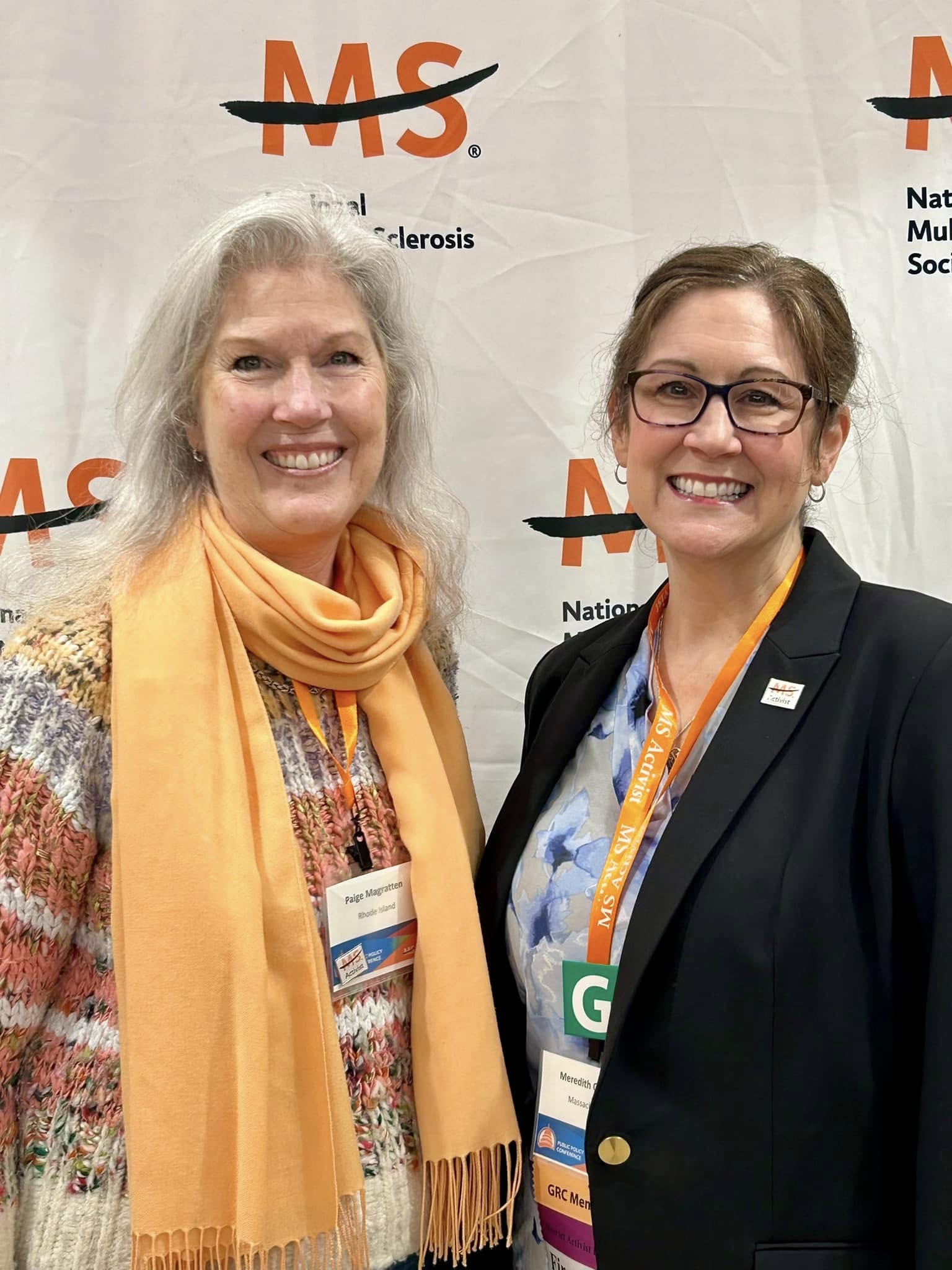
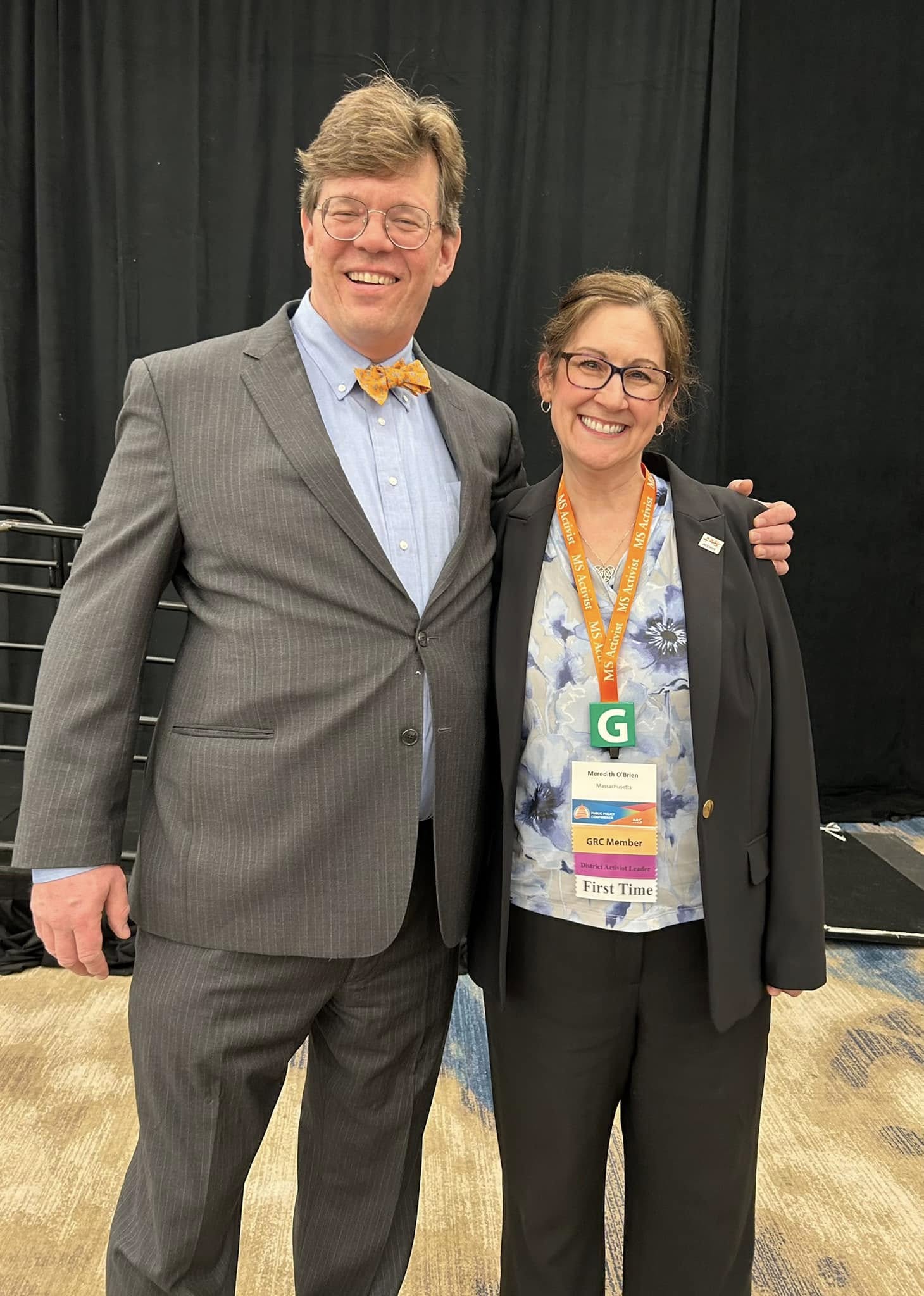
However my Massachusetts crew (pictured in the photos above), was fortunate in that all of our meetings — with US Senator Elizabeth Warren and Ed Markey’s staffers, as well as with congressional staffers from our various districts — went well. Staffers were uniformly understanding and kind, even if some were palpably stressed by what’s currently transpiring in Washington, D.C.
Will volunteer MS patients speaking up for MS research help? I know that without prior medical research into possible MS treatments, the medicines upon which I rely to cope with my MS symptoms and to prevent more spinal and brain lesions from forming would likely have NOT been developed. My life could look much different. Who knows if I’d be working, or writing, or volunteering. And for working folks whose MS is severe and requires services they can’t afford, sharing their stories with people who control the funding mechanisms of government, could, perhaps move a person or two. Sometimes, that’s all you need.
Advocating for policies and laws needed by those with chronic illnesses, like MS, is a subject I cover in my forthcoming book,Uncomfortably Numb 2 (available for pre-order). This is a relatively recent (since 2022) endeavor for me, this advocating business, but it’s left me feeling as though, even though I can’t control my what ultimately happens with my MS, I can use my voice to try to make the world a bit better for people with chronic illnesses. It also makes me feel less alone in the fight. We’re stronger, the saying goes, when we fight together.
While I’ve already announced the upcoming February release of my second novel — Louie on the Rocks, a dark comedy set in central Massachusetts about a dysfunctional family influenced by Trump era politics, circa 2019 — I can now proudly announce my second 2025 book.
Uncomfortably Numb 2: An Anthology for Newly-Diagnosed MS Patients is slated for publication in May 2025 by Wyatt-MacKenzie, which published my 2020 medical memoir, Uncomfortably Numb, about the life-altering impact of my MS diagnosis.
This nonfiction book will feature the stories of MS patients at varying stages of the incurable autoimmune disease of the brain and spinal cord, and of MS advocates who work to better the world for multiple sclerosis patients. Additionally, I share new stories about how I have morphed from being a stunned, newly-diagnosed patient to an MS Activist who lobbies state and federal lawmakers on behalf of the National Multiple Sclerosis Society.
It’ll be quite the tonal shift to move from promoting a dark comedy about an alcoholic MAGA dad squaring off against his progressive, bookseller daughter just weeks after the presidential inauguration, to discussing the experiences of MS patients. I hope you’ll join me on what promises to be one bizarre ride.
Ten years ago today, I was discharged from a Boston hospital and officially received my MS diagnosis. My husband Scott and I left the doctor’s suburban Boston area office and drove directly to Firefly’s, which served our son Casey’s favorite BBQ. It was his 13th birthday and we wanted him to bring him some of his beloved dishes because we NEEDED to celebrate.
Let me back up a bit and set the stage …
In the preceding week, my family of five had taken a much-needed trip to Los Angeles. It had been four months since my 65-year-old mother had died from a fast-moving cancer. It had been a couple weeks since my 67-year-old father was admitted to the hospital and then to a rehab center to regain his strength. It’d been weeks since my young nephew had been treated and released from Boston Children’s Hospital after what was believed to have been a pancreatitis attack. It hadn’t been very fun around my house. We wanted to flee Massachusetts, so we sought a journey to the land of make-believe, hoping to outrun our bad luck.
Ha, said fate.
On the first morning in our Air-BNB, I received a stilted phone call from my Boston-based neurologist. The MRI I’d had of my brain weeks earlier — the one about whose results I’d been hounding the neurologist’s staff for in the days leading up to the trip — showed I had new lesions and a couple of them were actively inflamed. The doc wanted me to see him immediately. Irritated, because this was the exact situation I’d been trying to avoid, I told him we were in LA for 10 days. He scheduled an appointment for the Tuesday after we returned home. He never officially said I had MS, never told me to avoid heat or humidity, and didn’t give me any advice for how to proceed until I got home. He must’ve thought it was evident that the presence of multiple lesions meant I had MS, but Scott and I decided, since we were in the land of make-believe we were going to make believe this call never happened.
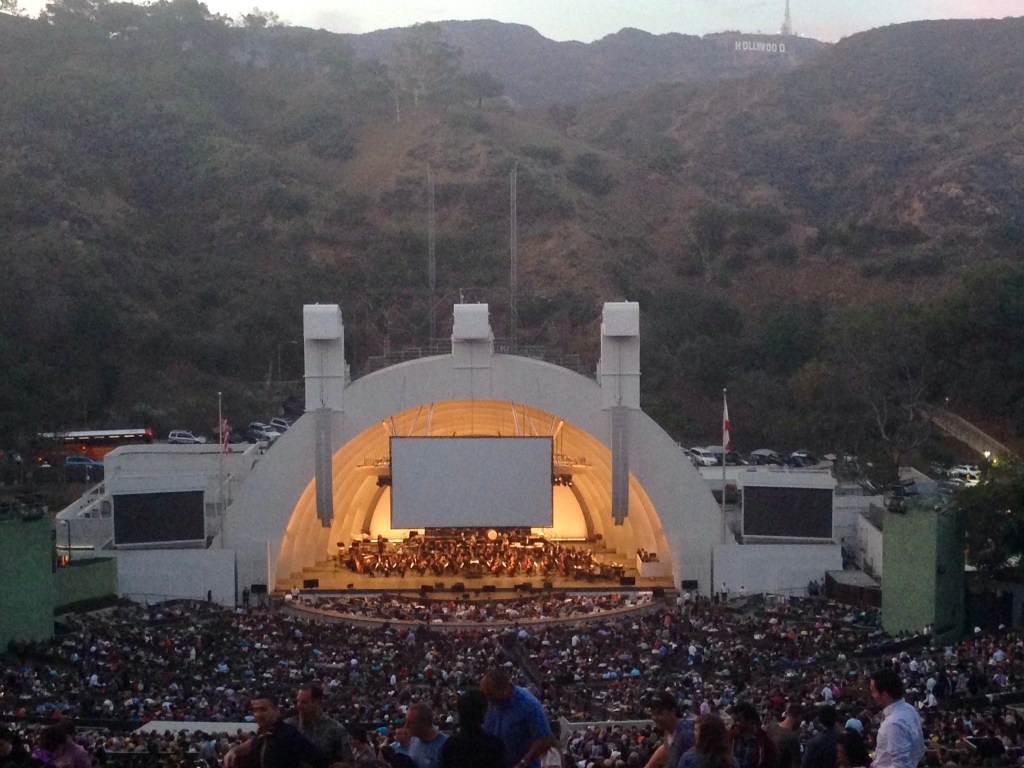
Until the Hollywood Bowl. As comedian Jack Black took the stage to emcee a pops performance of music from Pixar films at the famed outdoor venue, the days spent in hot and humid conditions caught up with me. I became violently ill. Not only was I sick to my stomach, but I was dizzy, weak, saw flashing lights in the periphery of my vision, and couldn’t really walk. Since we were seated at the top level of the facility, staffers had to locate a wheelchair and in order to take me down to the medical station on the ground floor. My then-15-year-old twins — eyes wide with worry — “watched” over me while Scott and Casey, then-12, ran to fetch our rented vehicle. They arrived just as fireworks were being detonated in thunderous fashion, the explosions echoing against the walls, creating an ominous, end-of-the-world-like soundtrack.
Weakened, I spent the next day resting, but rallied to attend an evening Anaheim Angels’ game for which we already had tickets. Scott and I pretended the whole thing was either food poisoning or a result of me accidentally eating something that didn’t agree with my dairy allergy. In the ensuing days, we went to see the famed British football team Manchester United play the LA Galaxy at the Rose Bowl, goofed around in Madame Tussauds‘ wax museum, and visited the Ronald Reagan presidential library in Simi Valley.
On the day we were supposed to return to reality in Boston, I experienced an attack like the one at the Hollywood Bowl. Only worse. I was again sick to my stomach. Again, I was weak and could barely walk. My daughter said I was lying on the floor and so out of it that it seemed like I was drugged. The fact that our rented Santa Monica bungalow had no AC and that my damaged brain — which MS had rendered incapable of handling heat and humidity — couldn’t handle the weather never occurred to us. Then again, in that moment, I couldn’t hold a cogent thought in my head as my family packed up the Air-BNB and Scott called my neurologist to get some medication so I could board a plane back to Boston.
Two days later, on a Sunday, I woke in my own bedroom to a third attack worse than the preceding two. I couldn’t stop vomiting. I was weak. I couldn’t walk. I saw stars in my eyes. Nine-one-one was called. I was transported from a small local hospital then transferred to a large Boston facility where my doctor worked. I kept trying to get the neurologists at the hospital to contact their colleague, the one who called me that first morning in LA. But they didn’t. And I didn’t receive any treatment to stop the attack — which would’ve been IV steroids, something I received the following week.
On that Tuesday morning, Casey’s 13th birthday, I was released from the hospital and went straight to the neurologist’s office, just outside of Boston. It was there where he looked surprised when I asked him if I had MS. Clearly, he thought it should’ve been obvious that I did. He told me we had to decide what kind of medicine I’d take to try and slow down the disease progression but, in the meantime, we scheduled another MRI, which would show the presence of even more angry and inflamed lesions that would lead to three days of outpatient, steroid IV treatment. Scott and I left the neurologist’s appointment facing a new and uncertain landscape. But we had one immediate concern: Casey’s birthday.
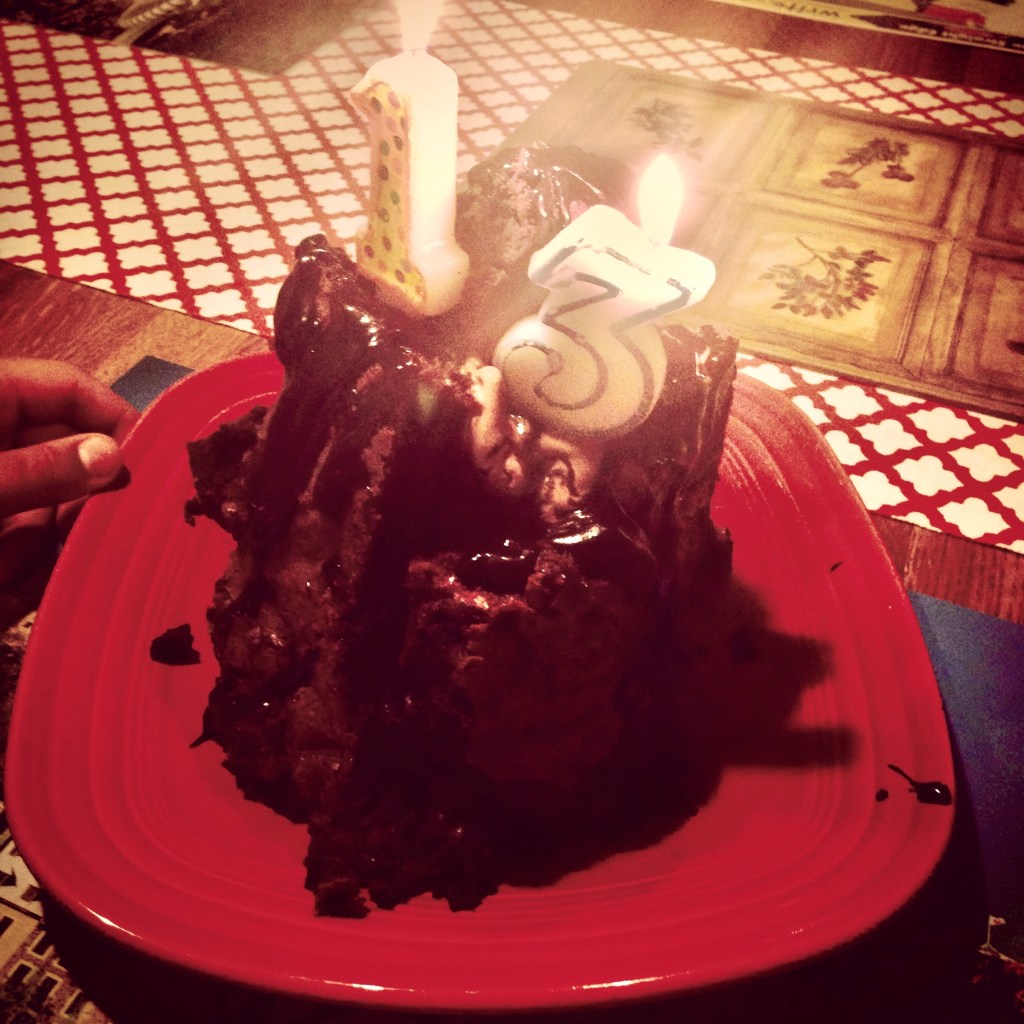
Since my hospitalization, our dear friend Gretchen had been taking our three kids out, feeding them, and even brought the twins shopping so we’d have gifts to give Casey. Gretchen also pulled together the ingredients for Casey’s favorite birthday dessert, the lava cake similar to the one The Rainforest Cafe used to serve, only much sloppier. While Gretchen had the gifts and dessert all ready for us when we got home, Scott and I ordered barbecue from the car. Casey, who’d spent his 13th birthday hanging with Gretchen’s younger son, was thrilled with his presents, with the BBQ, and with the cake, and declared it the “best birthday ever.”
Now, that kid is 23. And he’s riding in a Bike MS event in Maine. He’s trying to raise money for the National Multiple Sclerosis Society — for which I serve on as a trustee on my local board and as a volunteer advocate. It’s an organization which has financially supported nearly every new development in the MS field. On his fundraising page, Casey wrote that he’s participating in the Great Maine Getaway because he is “inspired by my mother’s courageous battle with multiple sclerosis.” He added, “Throughout her life, she has not only navigated the challenges of MS but has also become a beacon of strength and education within our community.” He also said a bunch of other really nice things about his old mom. *Blushing.*
I’m proud of him, as well as of my nearly-26-year-old son Jonah, and my husband Scott, who are participating in their second Bike MS event together. But since my diagnosis date is so closely tied to Casey’s birthday, I’m plugging his donation page. If you have someone in your life who struggles with MS, if you’d like to see a world without MS, please consider contributing to Casey’s bike ride.
It’s been 10 years. My symptoms may have worsened but my hope has not dimmed.
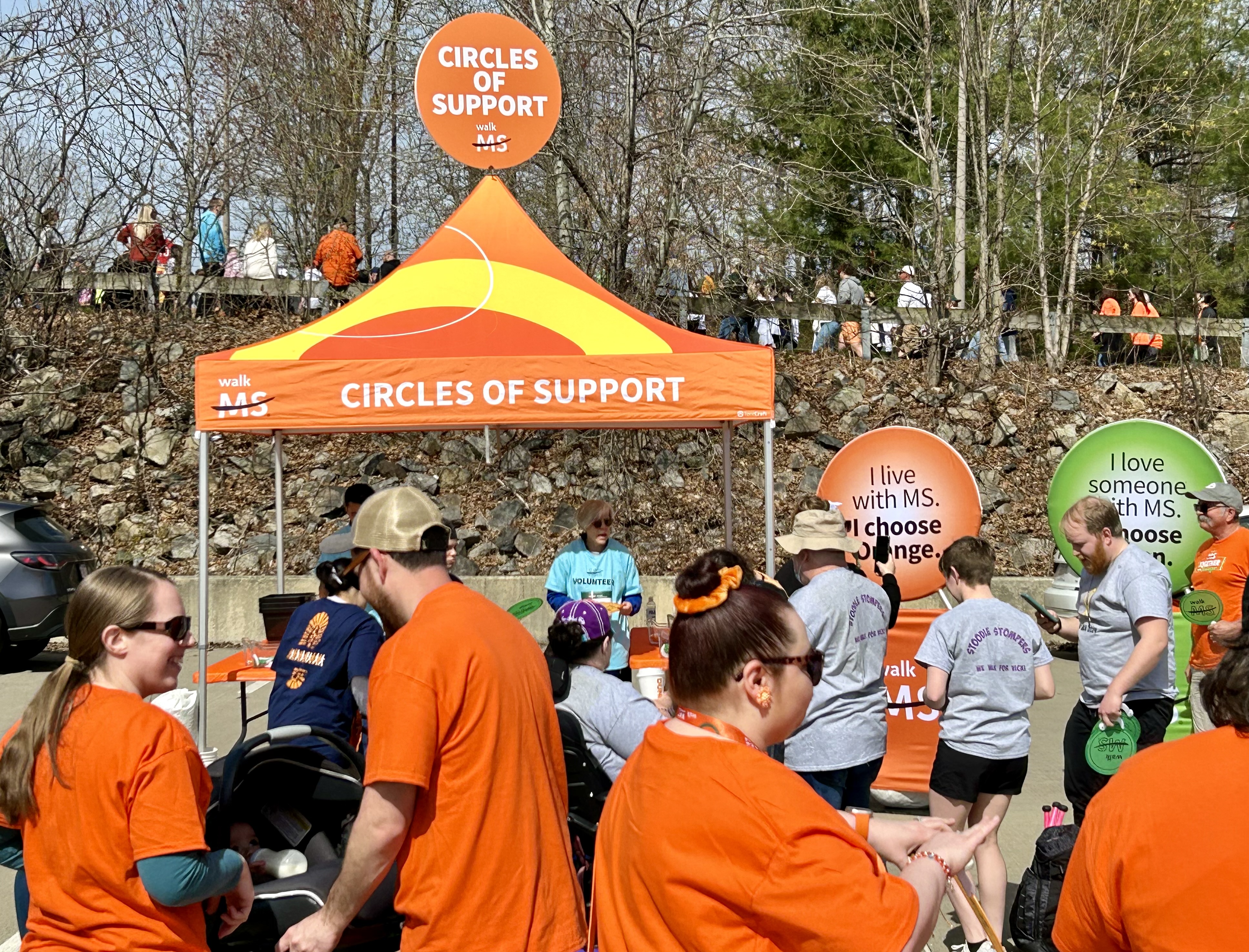
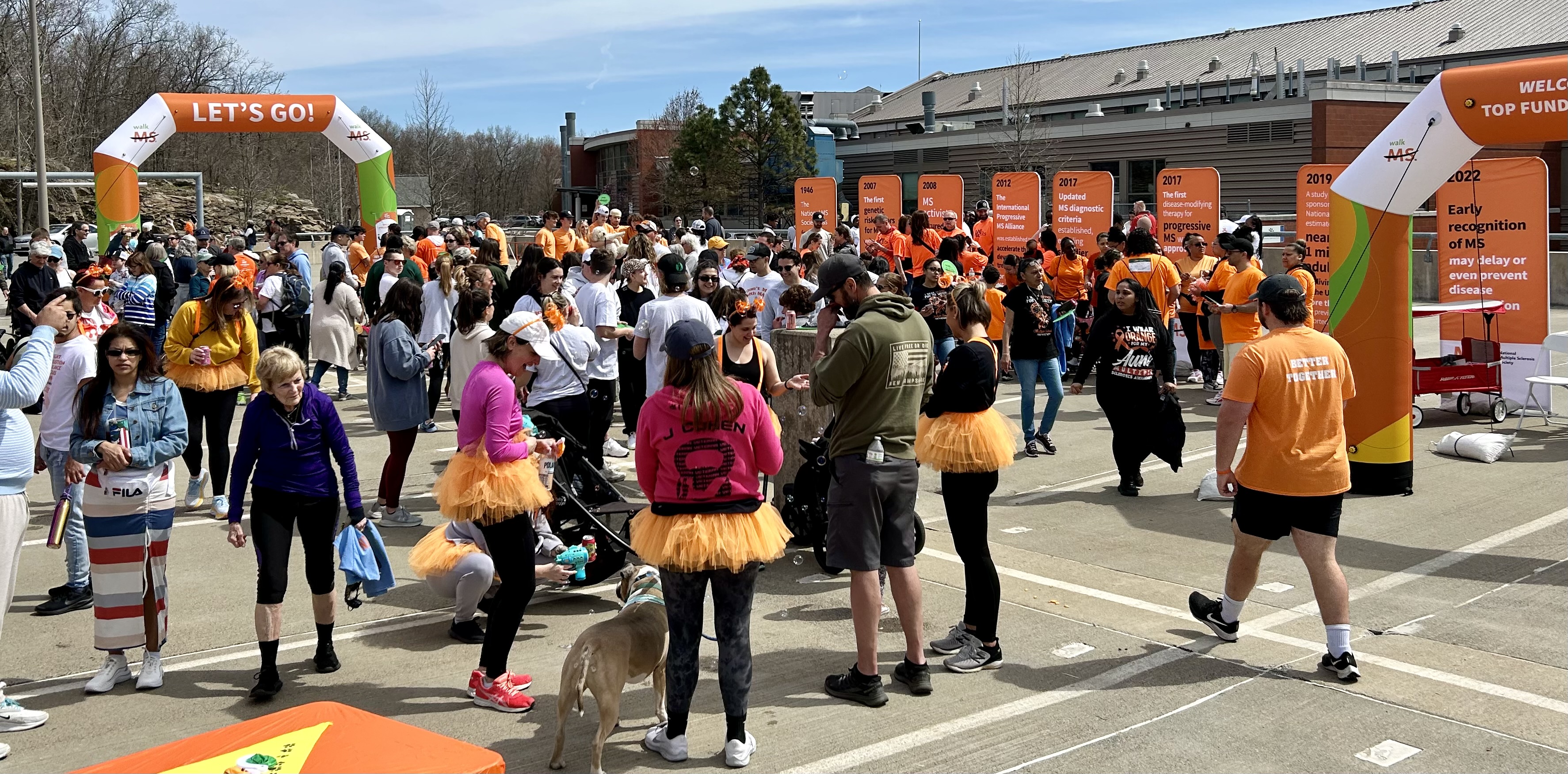
Some 700 walkers converged upon Worcester Technical High School on a warm Saturday morning in late April to raise awareness and money for multiple sclerosis research.
At Walk MS: Worcester, I had the privilege of hosting the event — using a finicky, hand-held mic which didn’t like the wind — where I was honored to spotlight a local woman’s story about her diagnosis of MS in the middle of the COVID-19 pandemic.
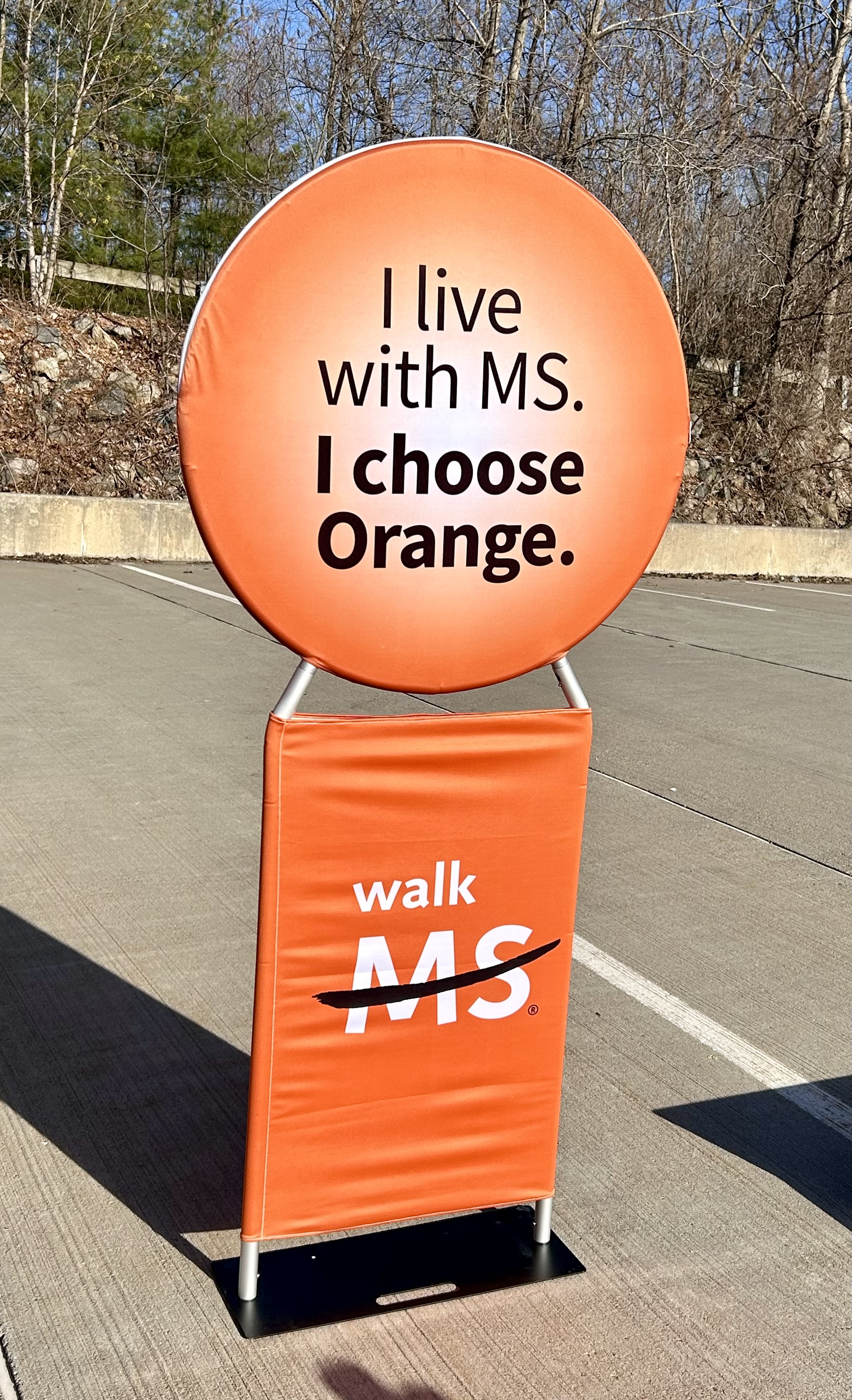
Tanisha Stevens, her husband, her two young daughters, her sister, and her best friend took to the stage as we celebrated her strength, her perseverance, and her loving circles of support. Circles were the big theme this year, hence pictures of people holding circles on plastic sticks: Orange for those with MS, green for those who love someone with MS, and yellow for those who work to support the cause.
Participants — some of whom dressed in very colorful, creative attire including orange tutus — said they felt a sense of camaraderie and really liked the message that no one is in this alone.
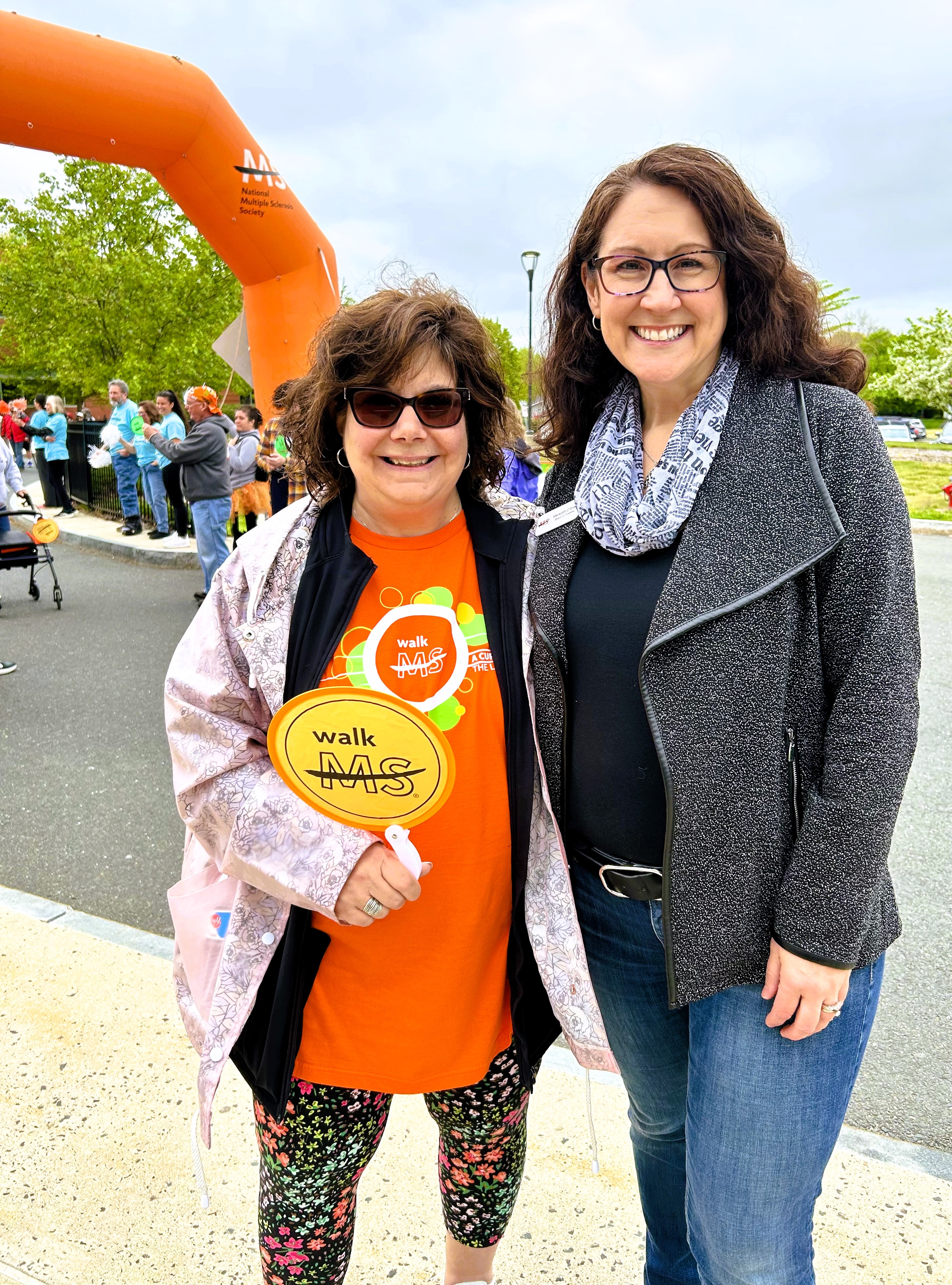
A week later, under mildly threatening skies, I hosted the Walk MS: Longmeadow event at Longmeadow High School in western Massachusetts. As someone who grew up in The 4-1-3 (the area code), I was so pleased to run into people who not only knew colleagues of mine, but also folks who knew my mom, Judy O’Brien, when she was the manager of two stores in Northampton, Mass. and appeared in regular “Wine Mother” segments on a local radio station.
I even met the effervescent, take-no-BS Judy Potter (second down on the right in the collage above) who pulled from her purse the op/ed I wrote which she’d ripped out of the paper that morning. After reading the piece — where I compared Taylor Swift’s “I Can Do It With a Broken Heart” to pretending all is well when you have MS — she said she, someone who’s had MS for decades, had to meet me. Turns out, Judy’s friends with the first editor I worked with at The Republican, Cynthia Simison, who later went on to run the whole operation, becoming the paper’s first woman to hold the post.
While the Longmeadow crowd was smaller than Worcester’s, it felt supportive and enthusiastic nonetheless, something I experienced acutely when an adorable, beefy bulldog practically knocked me over with excitement as I pet him just a few feet beyond the finish line.
The UMass Journalism Department graciously invited my former UMass/Massachusetts Daily Collegian pal, the award-winning writer Felice Cohen, and me to talk about our experiences writing memoir.
In late April, Felice told attendees that her family read early drafts of her UMass-based memoir, Half In — which reveals her 1990s love affair with a much older woman — and said they were supportive of her relating the truth of her experience. She said she heavily relied on the journals she kept during that time to refresh her memory about specific events and conversations, which, in the book, are very detailed. Felice is currently working on what she called a “reverse memoir” using letters she’s received throughout her life.
I, meanwhile, totally put my husband Scott on the spot and asked him what he thought about being portrayed and quoted in my memoir, Uncomfortably Numb, which traces the first several years of my life with multiple sclerosis. His reply? He trusts me (!) to tell my “truth” since I’ve been writing about my life –and, consequently, him — ever since we met when we were undergrads.
It was wild to look around the state-of-the-art Journalism Hub and to later visit the freakishly clean Collegianoffices — which, years ago, moved out of its original location in the windowless Campus Center basement. Gone were the days of that smelly, lumpy sofa in the Journalism Department and of messy student newspaper offices with stacks of papers and all manner of wires snaking up the walls and across floors like out-of-control ivy.
Another major difference on the Amherst campus? The dining hall. Not necessarily the halls themselves, but the food within them which is now top notch, a far cry from when the chicken cutlet sandwiches were referred to as “chicken pucks” and the highlight of the week was when fried French toast sticks were on the menu. It’s no wonder why, when I asked my younger son who graduated last year, where we should go out to eat and he said, “The dining hall.”