Multiple sclerosis challenges ranging from misdiagnoses and obtaining work accommodations, to advocating for chronic illness causes and writing from the patient perspective were chief among the many issues I recently discussed with two podcasters.
Southern California’s Dr. Brandon Beaber, a neurologist specializing in multiple sclerosis, chatted with me recently for his podcast about my new book, Uncomfortably Numb 2: An Anthology for Newly-Diagnosed MS Patients, touching on topics like when or whether to tell people you have MS and what lessons I’ve learned since I was diagnosed in 2014. Spoiler alert: There’ve been a lot of them.
Meanwhile, podcaster RA Cook, a fellow author and western Massachusetts native, hosted me as a guest on her podcast, Well Done You. Our wide-ranging conversation addressed topics like writing and teaching journalism at the university level, to being a multiple sclerosis patient and advocating for issues facing those living with chronic illnesses.
I was honored to be a part of both of their podcasts.
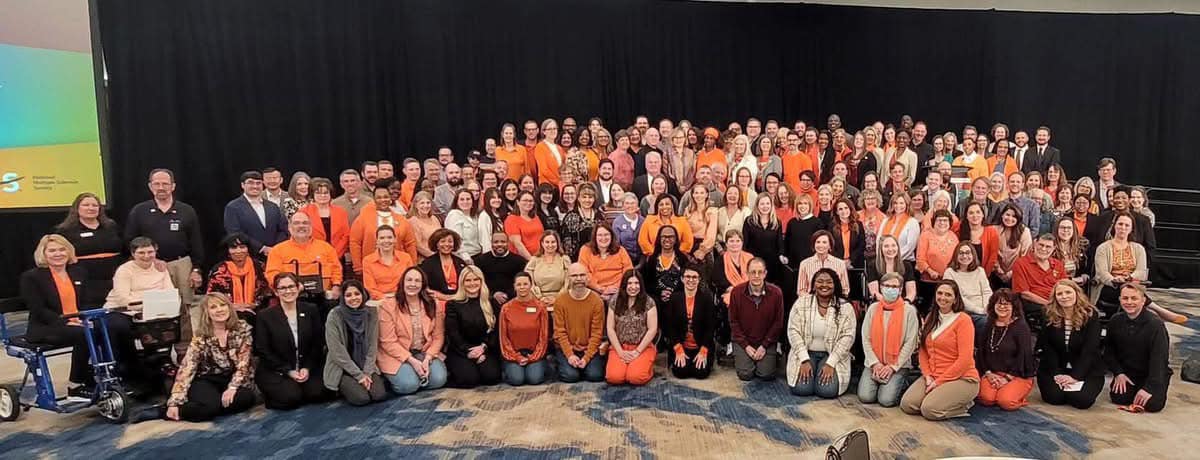
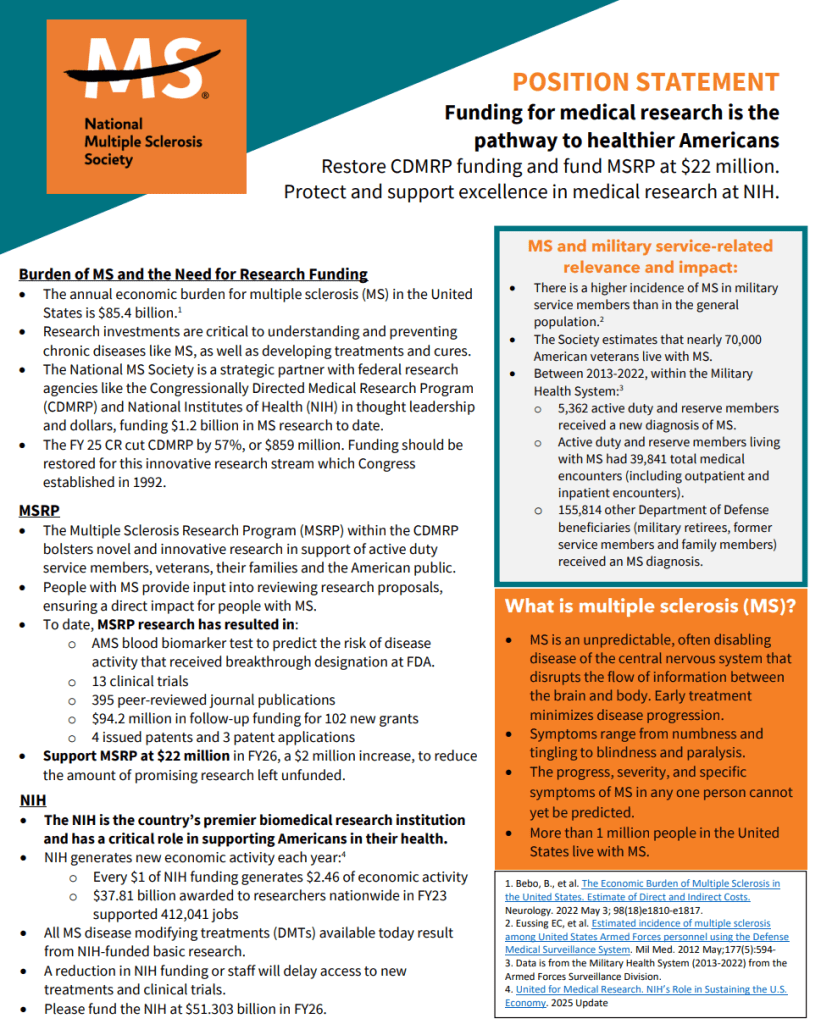
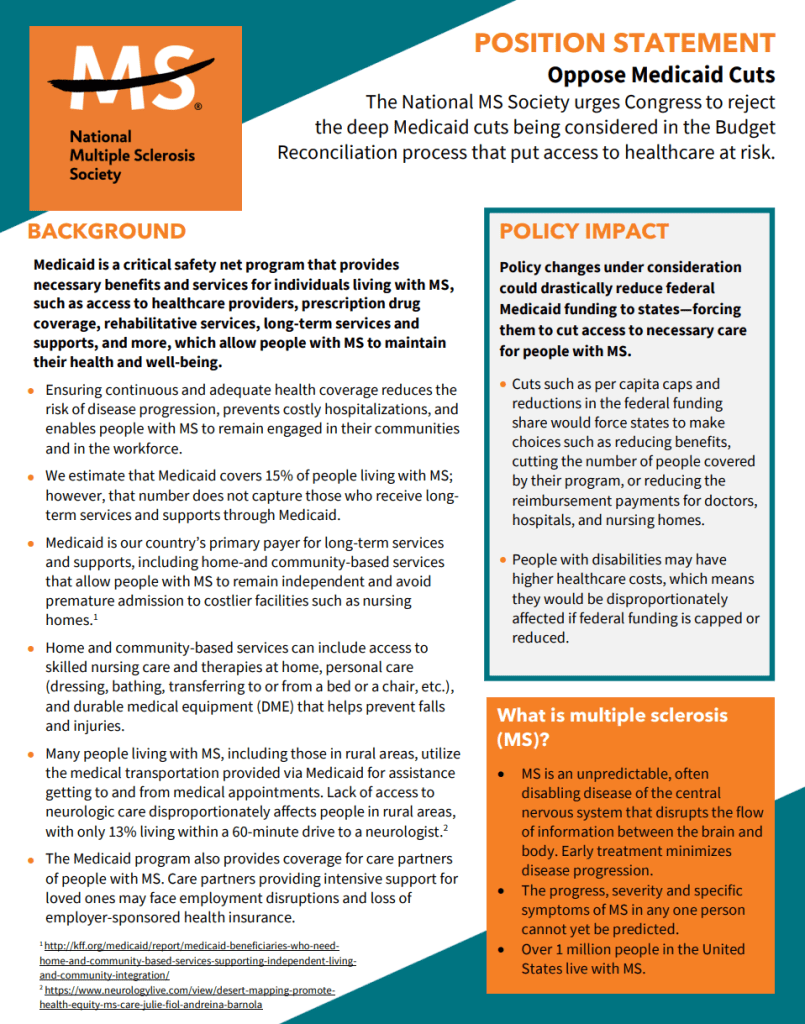
It was a fraught and contentious atmosphere in which to be visiting the Hill. A few of our volunteer MS Activists — many of whom have MS themselves — reported being met with disrespectful staffers, including one who complained that he was “tired of all the lies” when it came to their Medicaid pitch.
During the training portion of our conference, MS Society volunteers heard from Evan Conant, a full-time employed husband whose wife has severe MS to the point where she needs round-the-clock care in their home. They have private health insurance through his work, but were shelling out over $70,000 annually for her care, which he said was financially unsustainable. They learned of a Medicaid waiver program which enables people who demonstrate tremendous need to be able to pay monthly premiums (if your state allows it) in order to get assistance with medical costs. In Conant’s case, after three years of rigorous vetting, he said his family was allowed to buy into the program to provide four hours of health aide coverage so he could continue working and his wife was safe in their home. This is the kind of story that was met with disregard for some folks (as examples of “waste, fraud, and abuse in the system”), whereas, historically, MS Activists have said, they’ve been warmly welcomed by lawmakers because multiple sclerosis issues, and the MS Society as a whole, are nonpartisan.
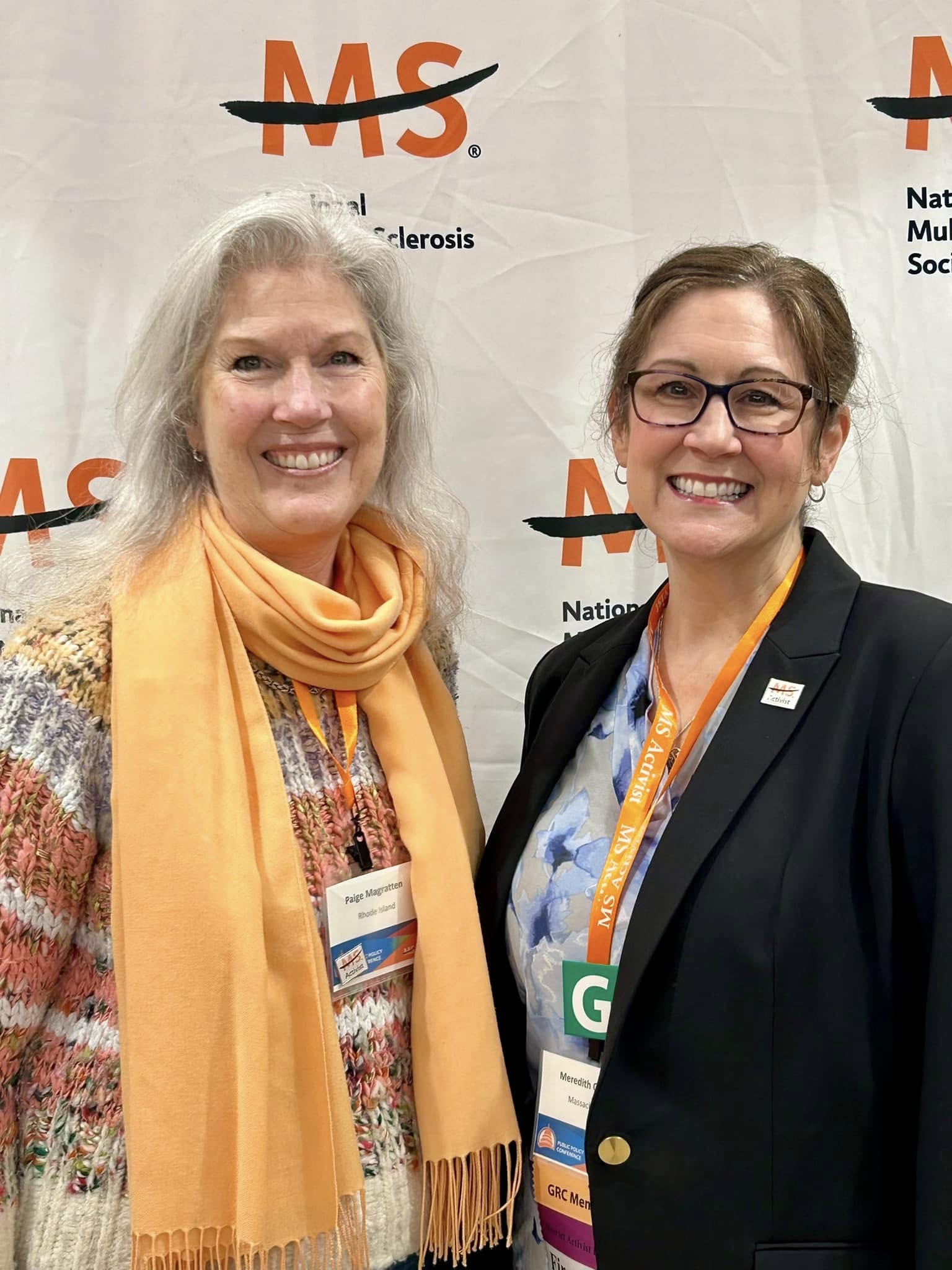
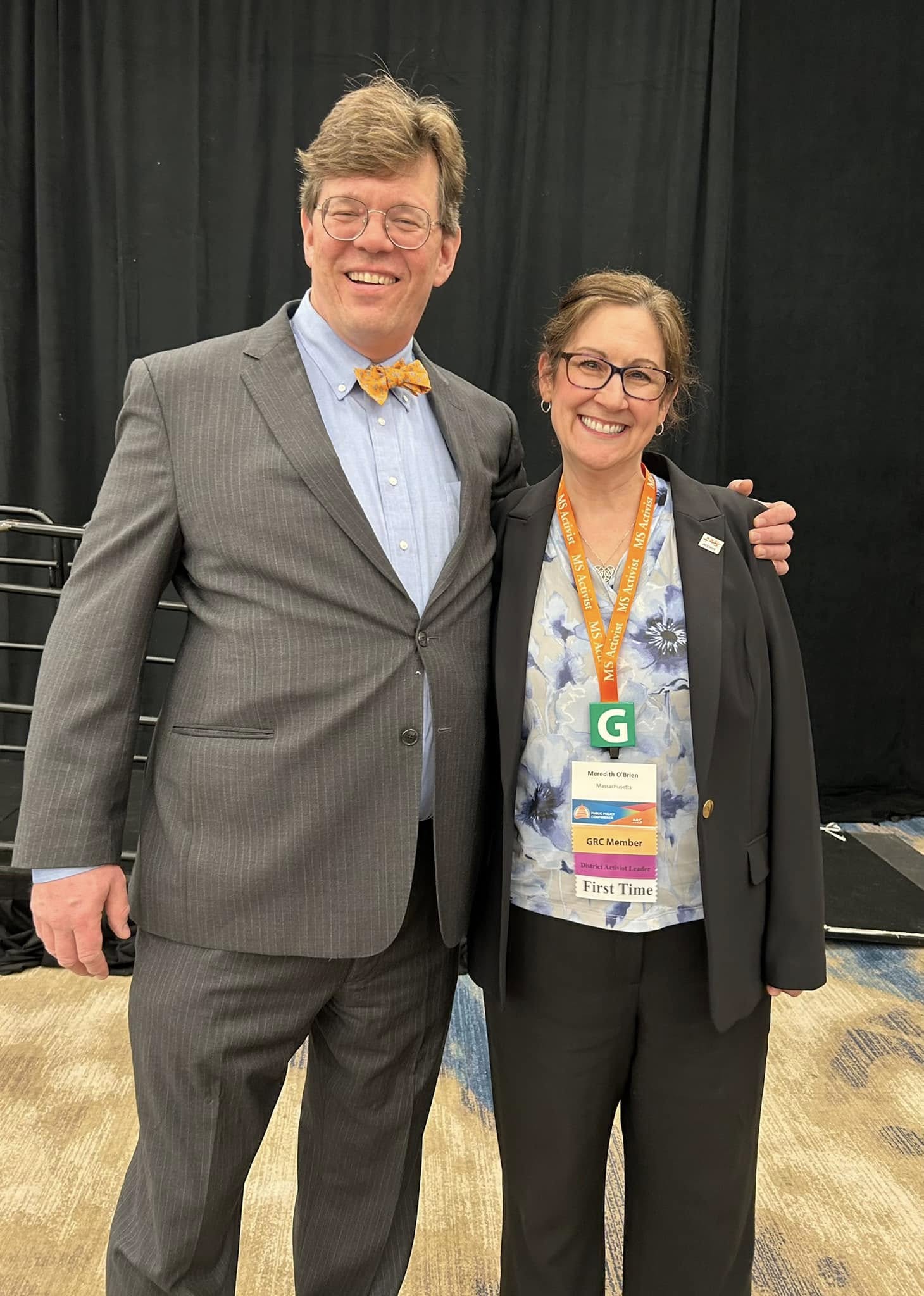
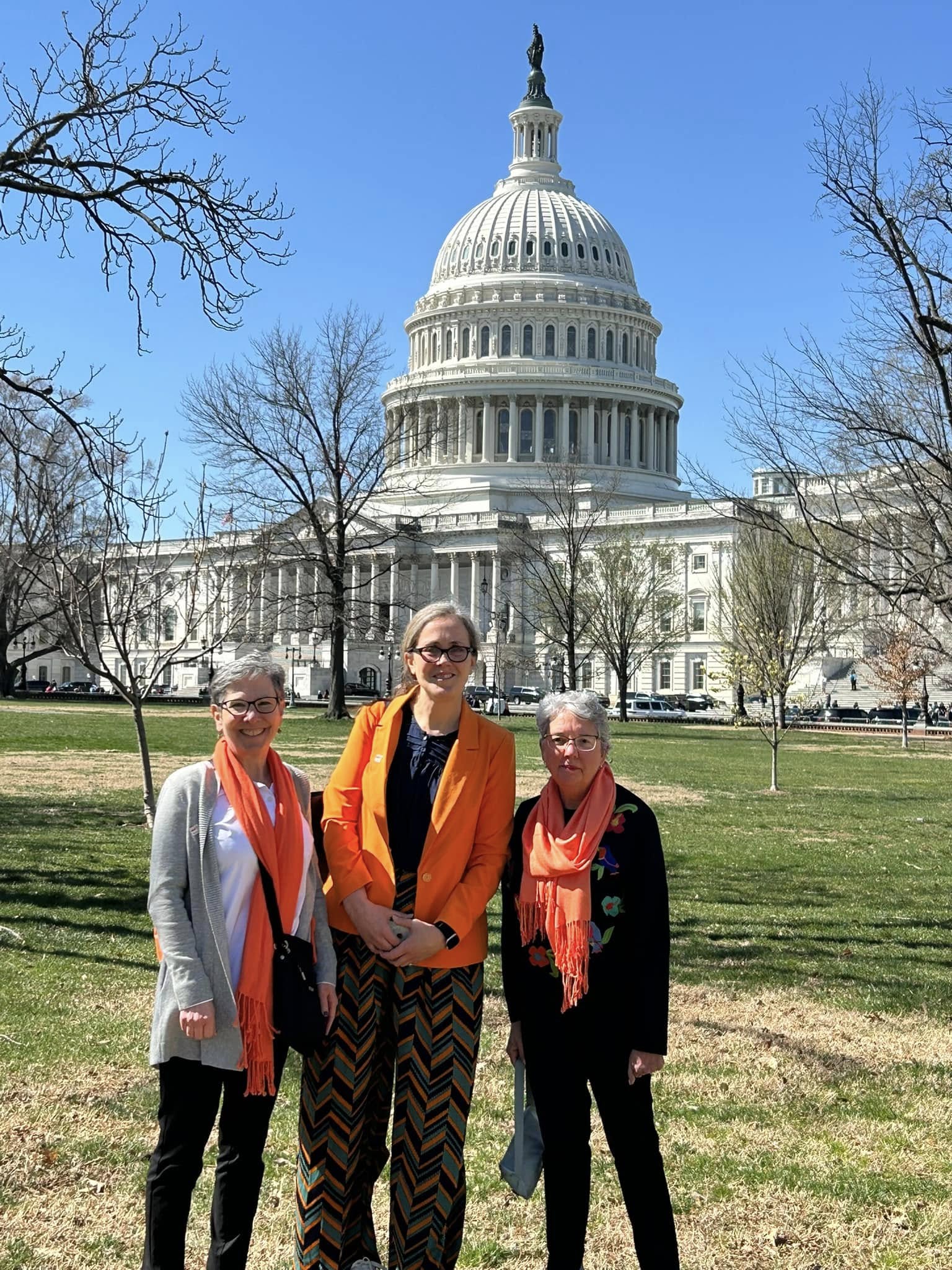
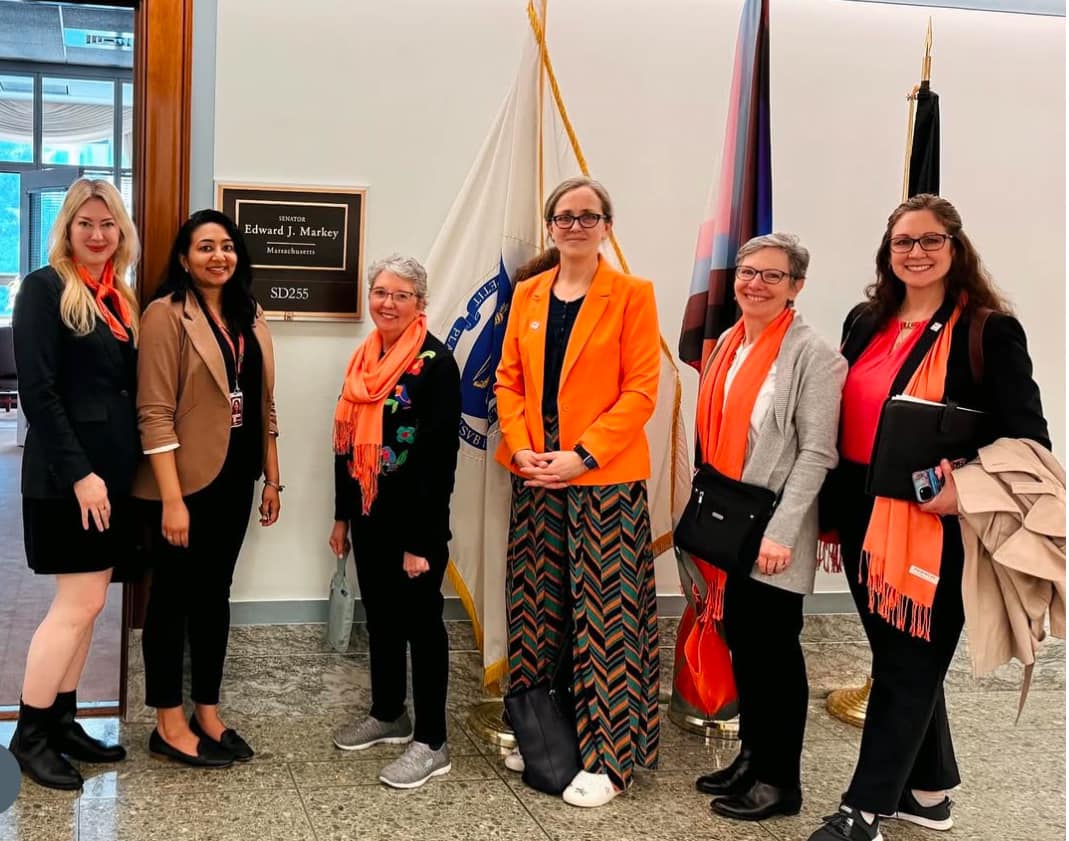
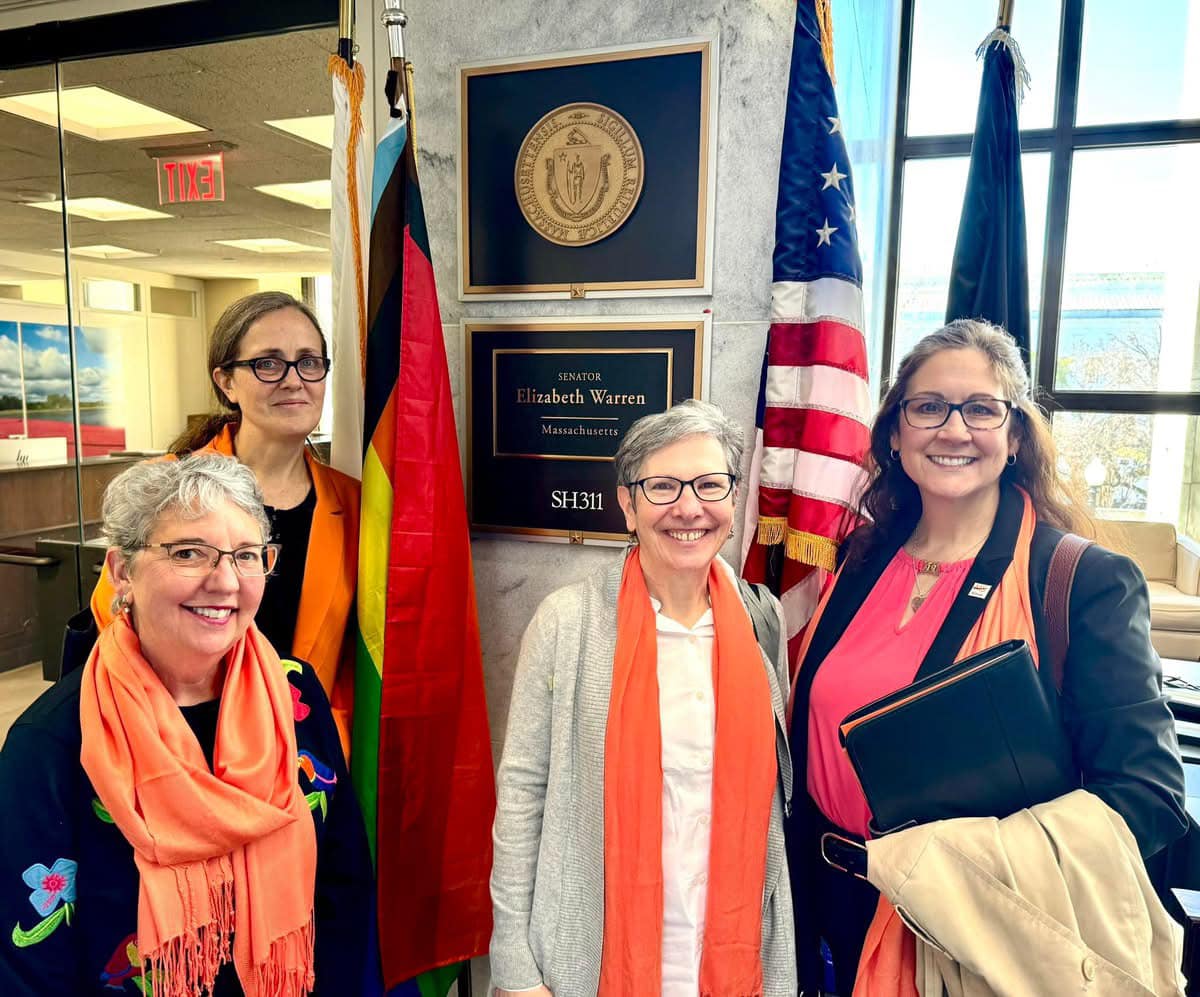
However my Massachusetts crew (pictured in the photos above), was fortunate in that all of our meetings — with US Senator Elizabeth Warren and Ed Markey’s staffers, as well as with congressional staffers from our various districts — went well. Staffers were uniformly understanding and kind, even if some were palpably stressed by what’s currently transpiring in Washington, D.C.
Will volunteer MS patients speaking up for MS research help? I know that without prior medical research into possible MS treatments, the medicines upon which I rely to cope with my MS symptoms and to prevent more spinal and brain lesions from forming would likely have NOT been developed. My life could look much different. Who knows if I’d be working, or writing, or volunteering. And for working folks whose MS is severe and requires services they can’t afford, sharing their stories with people who control the funding mechanisms of government, could, perhaps move a person or two. Sometimes, that’s all you need.
Advocating for policies and laws needed by those with chronic illnesses, like MS, is a subject I cover in my forthcoming book,Uncomfortably Numb 2 (available for pre-order). This is a relatively recent (since 2022) endeavor for me, this advocating business, but it’s left me feeling as though, even though I can’t control my what ultimately happens with my MS, I can use my voice to try to make the world a bit better for people with chronic illnesses. It also makes me feel less alone in the fight. We’re stronger, the saying goes, when we fight together.
Christina Chiu — working with the New York Writers Workshop and 2040Books — organized a virtual author event where she invited three writers to discuss our recent books which all touch on the subjects of “Hope, Healing and Loss.” Chiu’s recent novel is Beauty.
I was thrilled to discuss my medical MS memoir, Uncomfortably Numb, alongside memoirist Maya Lang who wrote What We Carry about her mother’s Alzheimer’s, and novelist Jacqueline Friedman whose That’s Not a Thing features a character who develops ALS.
The hour-long discussion was lively and varied, as we touched on topics from approaches to writing and research, to how the medical industry treats female patients differently than male ones.
I had to fend off Tedy, who kept trying to climb up on my chair and eventually succeeded. Then there was Max, who was snorting and moaning loudly on the floor. My husband decided it was the perfect time to make dinner so there were ambient cooking noises as well. Ah … the joys of the coronavirus quanantine and working from home!




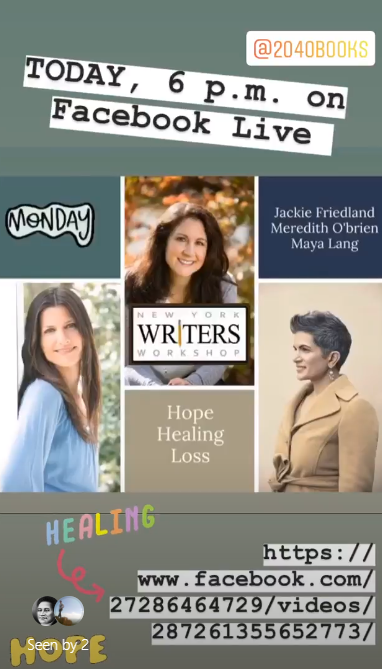 Christina Chiu — working with the New York Writers Workshop and 2040Books — organized a virtual author event where she invited three writers to discuss our recent books which all touch on the subjects of “Hope, Healing and Loss.” Chiu’s recent novel is
  Meredith OBrien