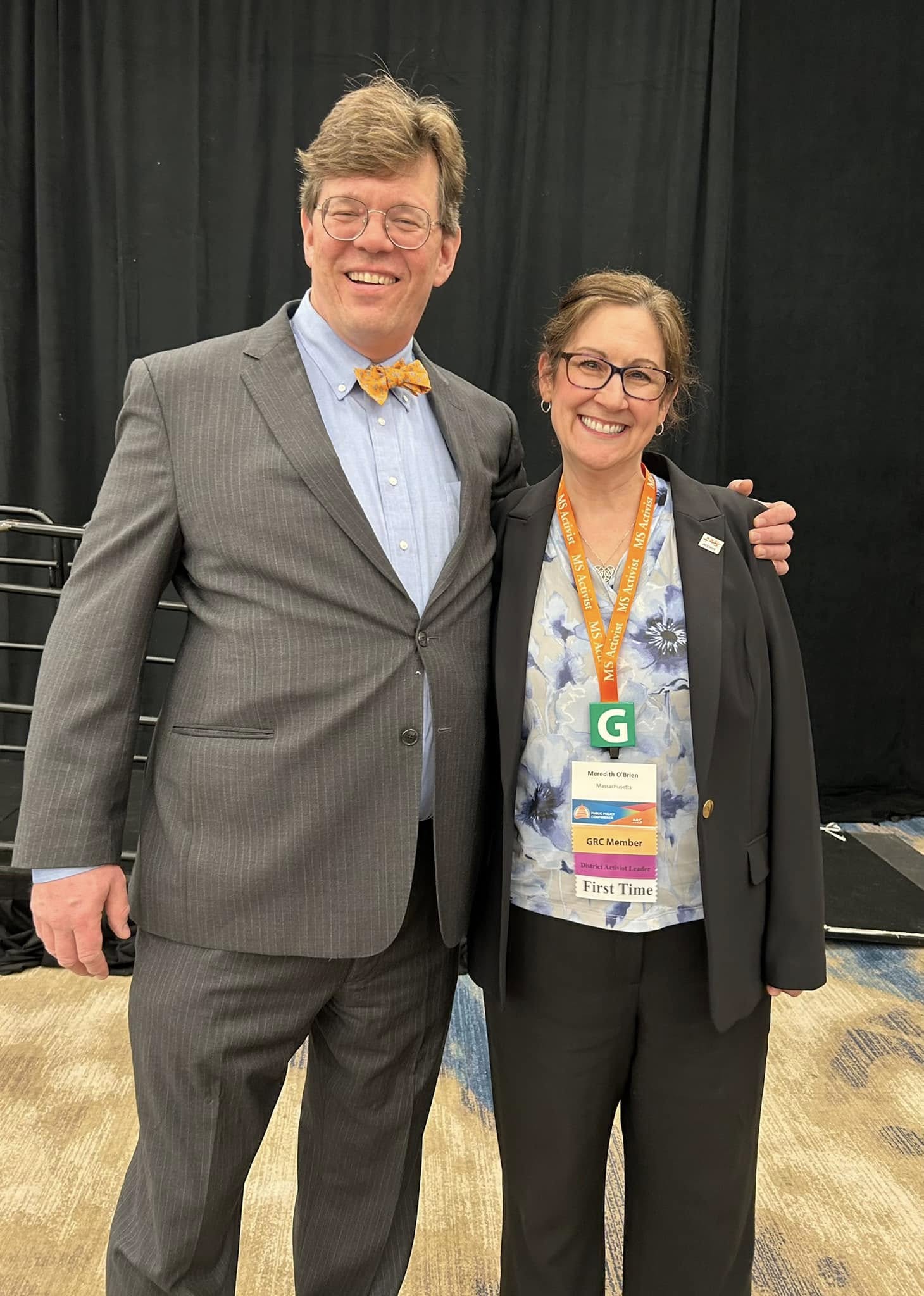
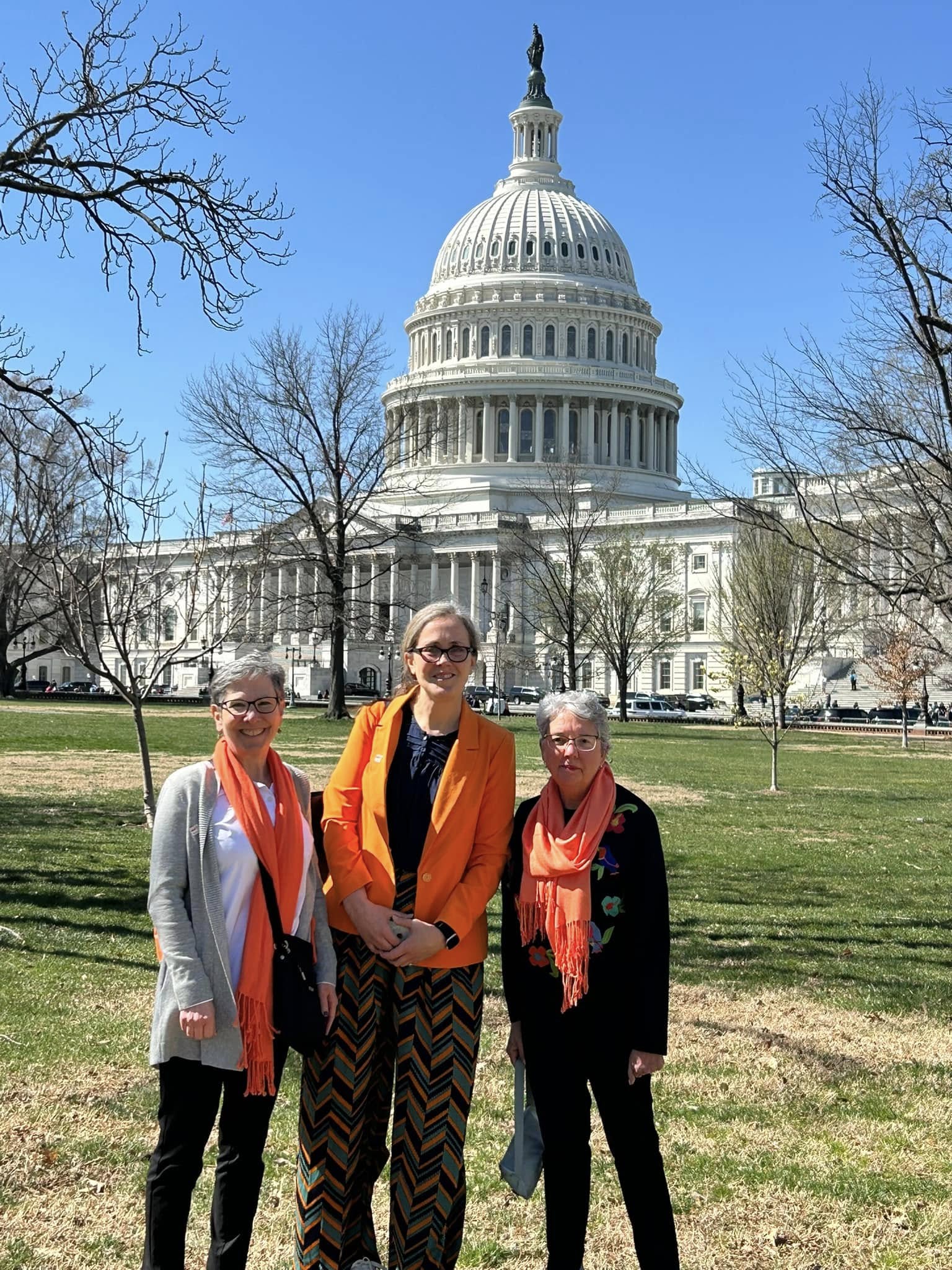
celebrating the rock star contributors to uncomfortably numb 2: sarah, noelle & paige

My latest book, Uncomfortably Numb 2: An Anthology for Newly-Diagnosed MS Patients, is chockfull of stories, some inspiring, and some enraging.

It’s only because MS patients and professionals were willing to take the time to answer my questions, share their experiences — some of them excruciatingly personal — that I have this book at all.

I want to express my boundless appreciation to the folks who made Uncomfortably Numb 2 possible. Today’s post is dedicated to three of the contributors: Sarah Quezada, Noelle Connolly, and Paige Butas.

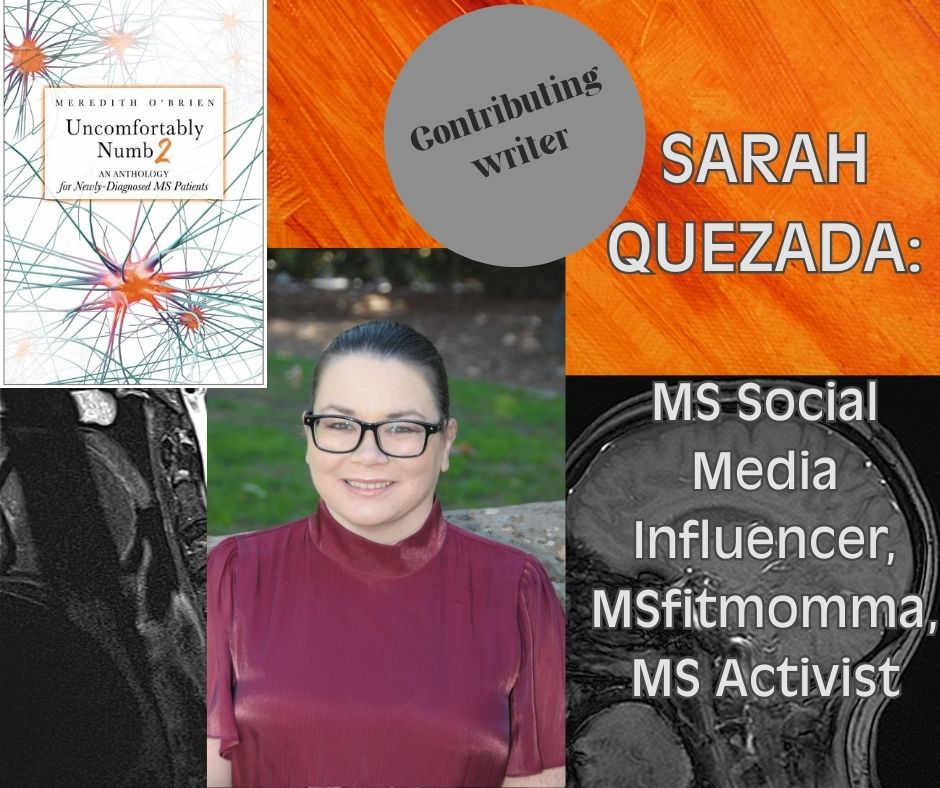
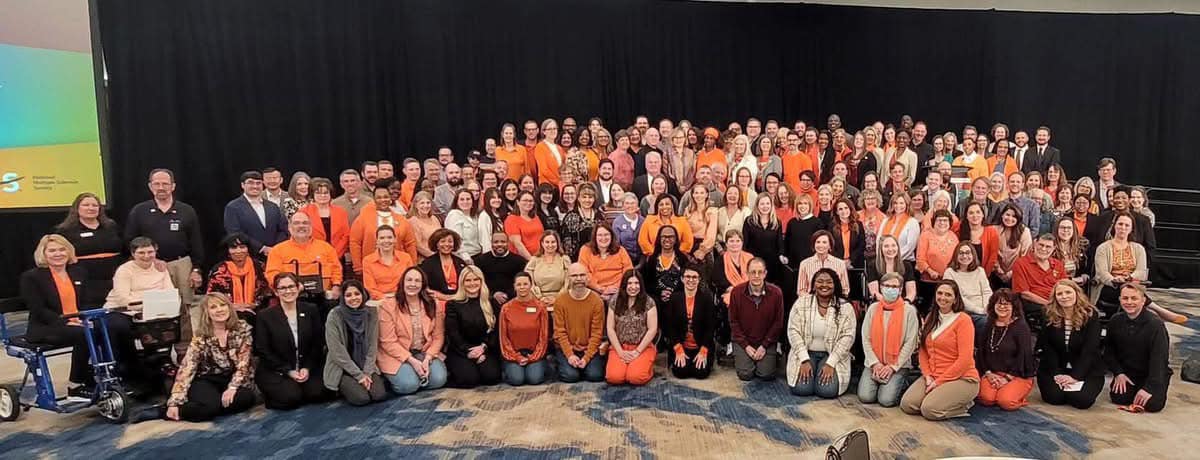
I met Sarah Quezada in Washington, D.C. this past March when we were both volunteer patient advocates for the National MS Society getting ready to descend on the Capitol to plead with our elected officials to protect Medicaid from steep cuts and to maintain the bipartisan, $22 million MS research program through the Department of Defense. Sarah met her task with enthusiasm and determination. She is a force. She has not only cultivated an online following for her Instagram page MSfitmomma, but she uses her voice to speak up for those who will be affected by various government policies.

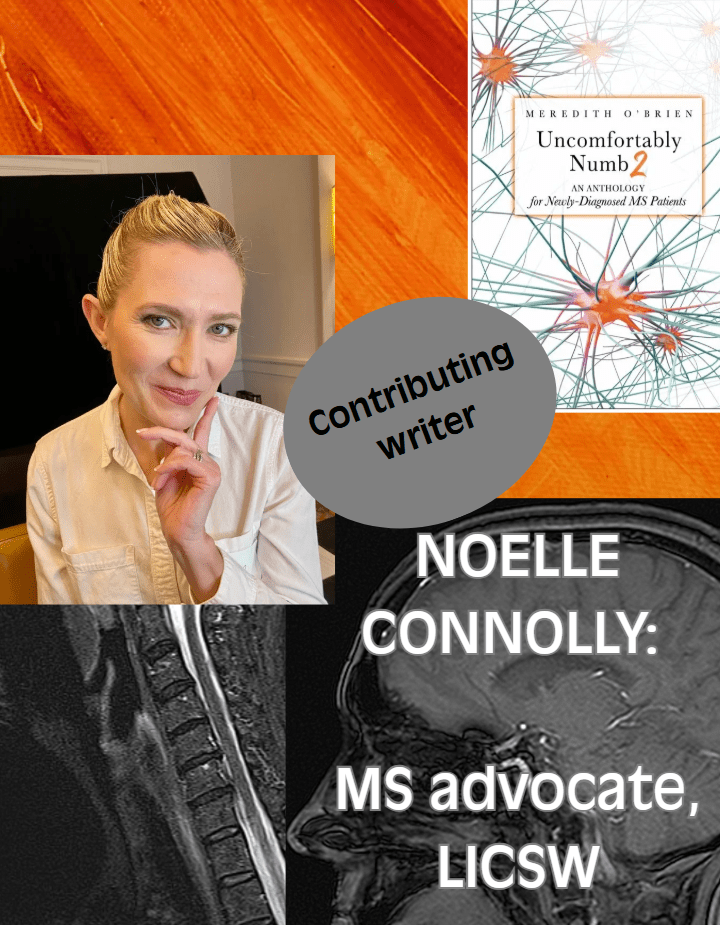
Noelle was a young teen away at school when she started to experience what would later be considered multiple sclerosis symptoms including numb feet, difficulty walking, nerve pain, and fatigue. At the time, she was dismissed as “a dramatic, 17-year-old blond girl.” It took until she was 23 and couldn’t control her left hand for her to receive the MS diagnosis. Now, Noelle, who has an Instagram account called MS.LivingBalanced is a powerful advocate for focusing on what one CAN do while living with MS. For the past several autumns, she’s participated in the Greater New England Chapter of the National MS Society’s fashion show, taking to the runway with her mobility devices. “I still make a difference,” she says, “and I’m still valued.”

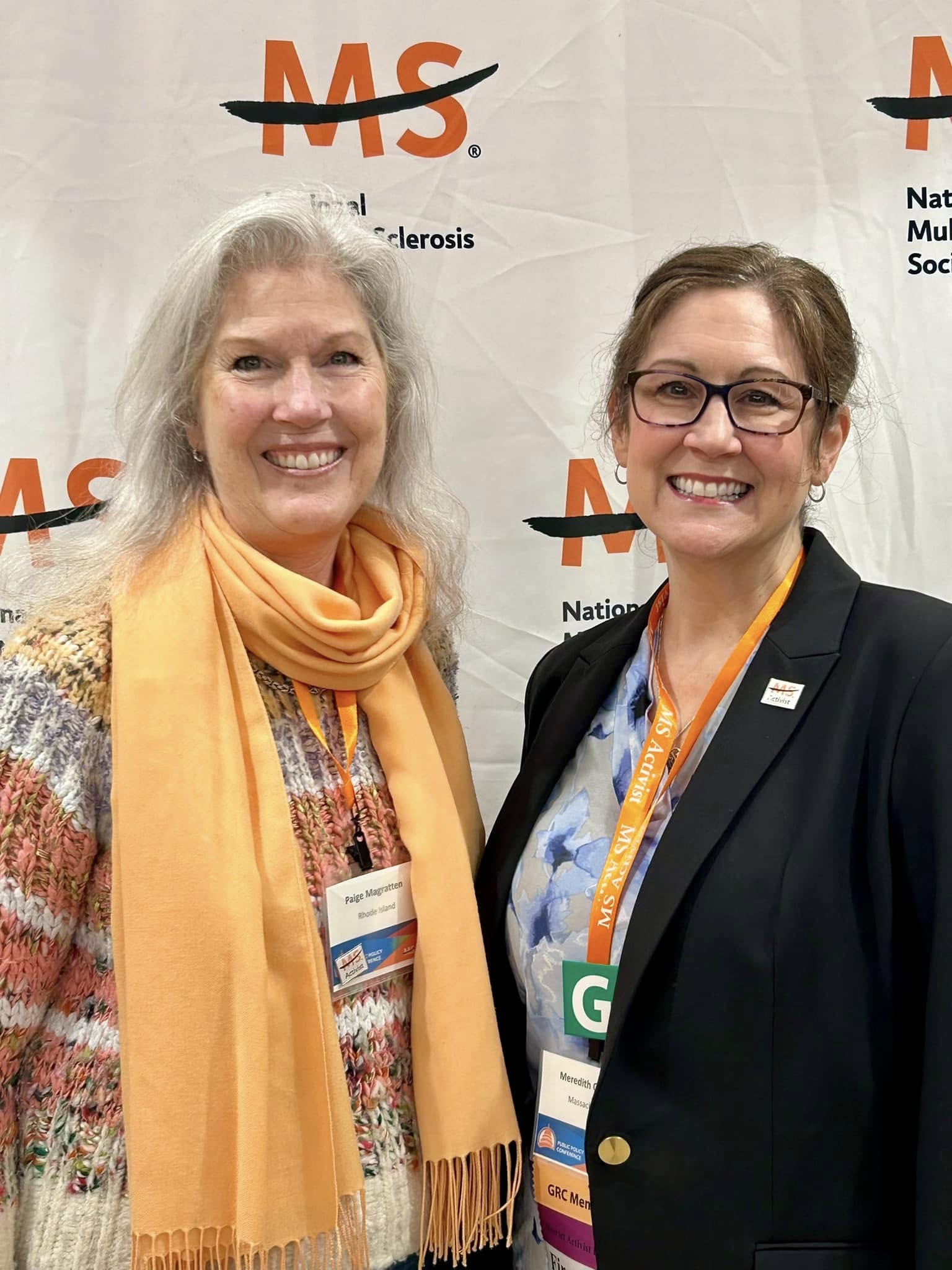
Paige Butas wasn’t a casual weekend warrior. An endurance athlete who seriously competed in triathlons, when she was in her late thirties she suddenly experienced numbness on her head “that spread down the entire right side of my face over the course of a week,” in addition to “auditory hallucinations.” A physician told her she might develop MS saying, “It’s not a matter of if but when you have another episode.” It took four years for her to get the officials MS diagnosis. She handled her frustrations and deep disappointment about the changes multiple sclerosis made to her life by channeling them into TikTok videos meant to educate and provide community to fellow MSers. Here’s her TikTok account.

uncomfortably numb 2: an anthology is now on sale

I’m thrilled that the sequel to my 2020 medical memoir is now on sale. Uncomfortably Numb 2: An Anthology for Newly-Diagnosed MS Patients tells the stories of a variety of multiple sclerosis patients who are in varying stages of the autoimmune disease. A neurologist who specializes in MS and pediatric neurology, as well as a National MS Society state advocacy professional’s stories are also included.

Kirkus Reviews gave it a shoutout:

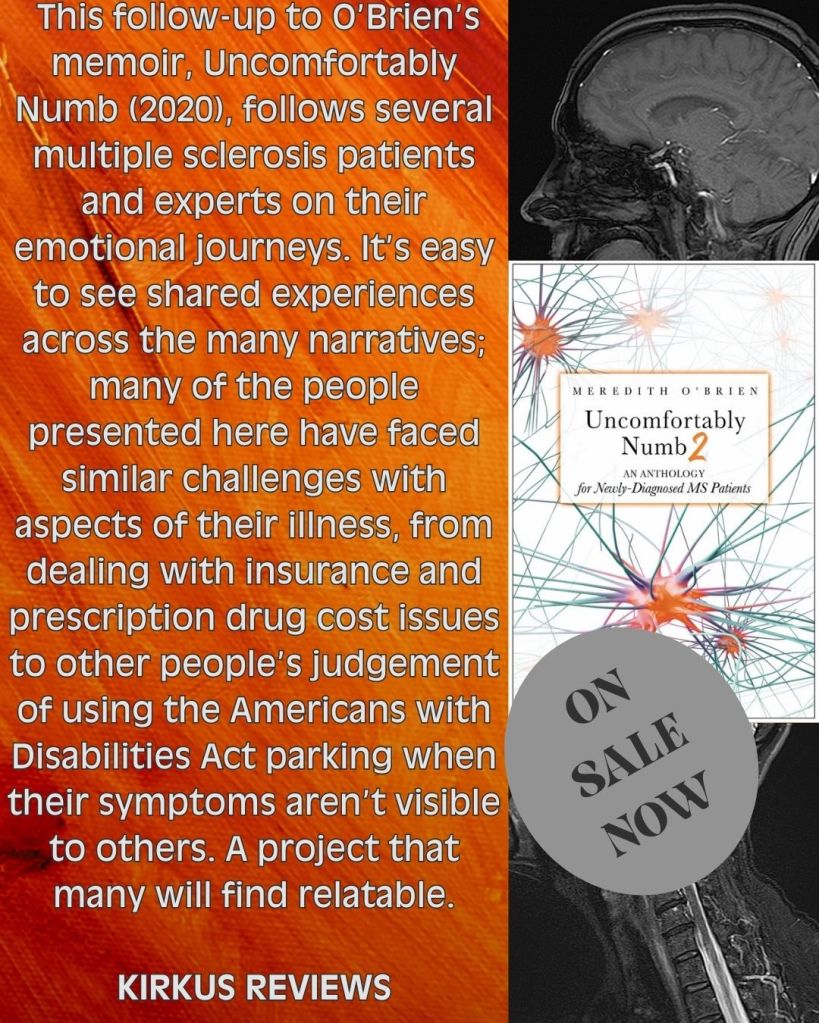
This follow-up to O’Brien’s memoir, Uncomfortably Numb (2020), follows several multiple sclerosis patients and experts on their emotional journeys. It’s easy to see shared experiences across the many narratives; many of the people presented here have faced similar challenges with aspects of their illness, from dealing with insurance and prescription drug cost issues to other people’s judgement of using the Americans with Disabilities Act parking when their symptoms aren’t visible to others. A project that many will find relatable.

The president and CEO of the National Multiple Sclerosis Society, Dr. Tim Coetzee was kind enough to write the foreword in which he says, “This book is essential readding for anyone who wants to fully understand the journey of MS from the perspective of those living with the disease.”

Contributors include:

Author Elissa Grossell Dickey

MS Influencer/Advocate Sarah Quezada (MSfitmomma)

MS Influencer Paige Butas (MSfighter101)

MS Influencer/Advocate Noelle Connolly (MSLivingBalanced)

Greater New England MS Chapter Trustee Eddy Tabit

Artist and Author Lydia Emily

MS Support Group Co-Leader Dianne B.

Dr. Tanuja Chitnis, MS neurologist at Mass General Brigham and Women’s Hospital

Laura Hoch, an MS Society state policy and issues advocate

lobbying for ms-related causes on capitol hill

It’s been hectic here in my neck of the woods. Between promoting my new novel Louie on the Rocks, prepping the May 6 release of Uncomfortably Numb 2: An Anthology for Newly-Diagnosed MS Patients, and teaching two journalism courses, I’ve also been doing volunteer work for the National MS Society.

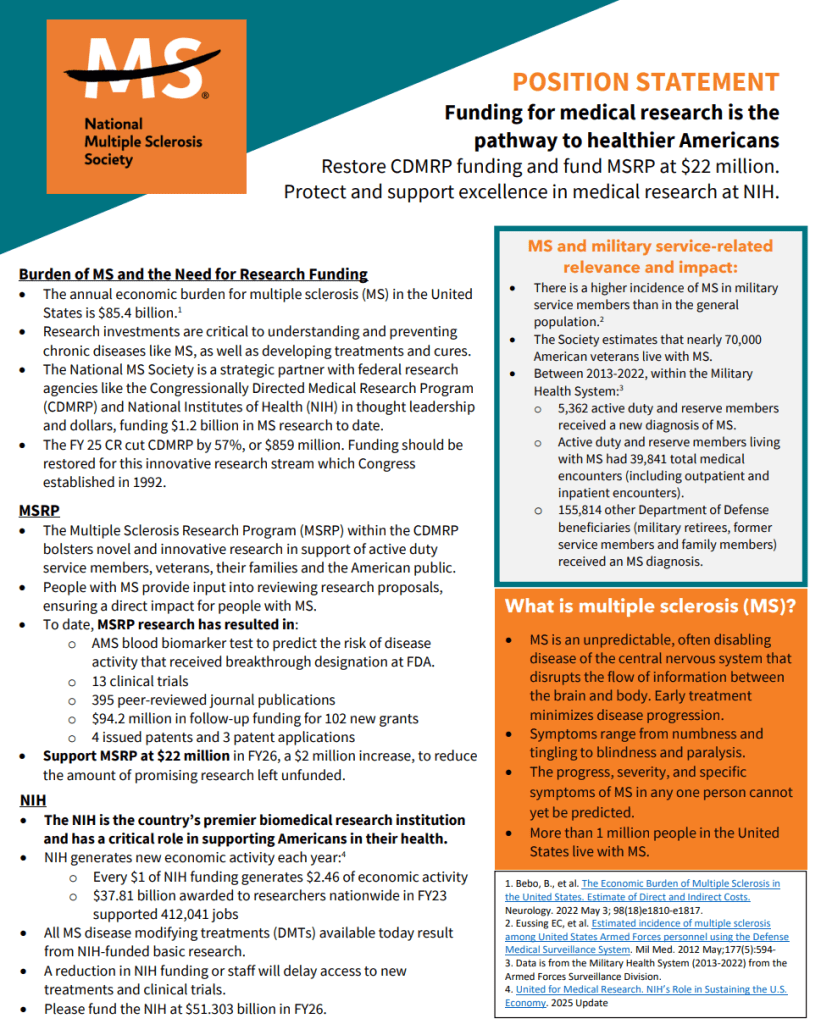
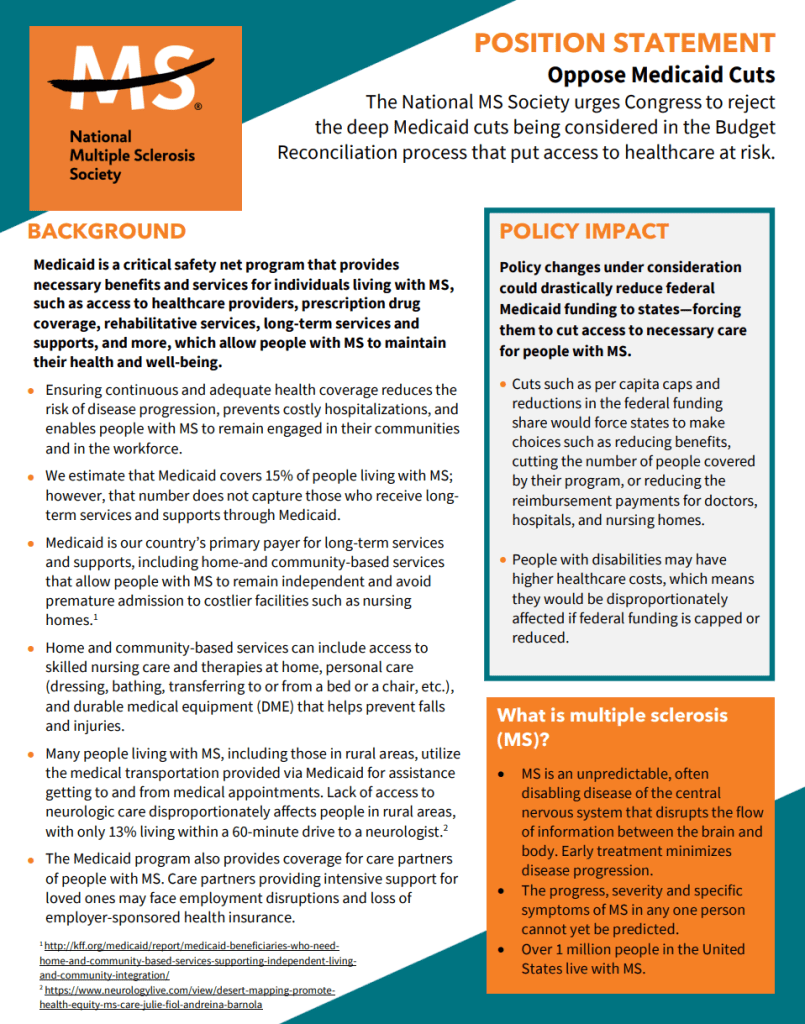
In March 2025, I attended the Society’s three-day Public Policy Conference in Washington, D.C. which culminated with visits to Capitol Hill to discuss with our members of Congress two issues: the restoration of funds for Congressionally-Directed Medical Research for Multiple Sclerosis (MSMR) and requesting that our elected officials reject deep cuts to Medicaid on which over 15 percent of MS patients rely.

It was a fraught and contentious atmosphere in which to be visiting the Hill. A few of our volunteer MS Activists — many of whom have MS themselves — reported being met with disrespectful staffers, including one who complained that he was “tired of all the lies” when it came to their Medicaid pitch.

During the training portion of our conference, MS Society volunteers heard from Evan Conant, a full-time employed husband whose wife has severe MS to the point where she needs round-the-clock care in their home. They have private health insurance through his work, but were shelling out over $70,000 annually for her care, which he said was financially unsustainable. They learned of a Medicaid waiver program which enables people who demonstrate tremendous need to be able to pay monthly premiums (if your state allows it) in order to get assistance with medical costs. In Conant’s case, after three years of rigorous vetting, he said his family was allowed to buy into the program to provide four hours of health aide coverage so he could continue working and his wife was safe in their home. This is the kind of story that was met with disregard for some folks (as examples of “waste, fraud, and abuse in the system”), whereas, historically, MS Activists have said, they’ve been warmly welcomed by lawmakers because multiple sclerosis issues, and the MS Society as a whole, are nonpartisan.

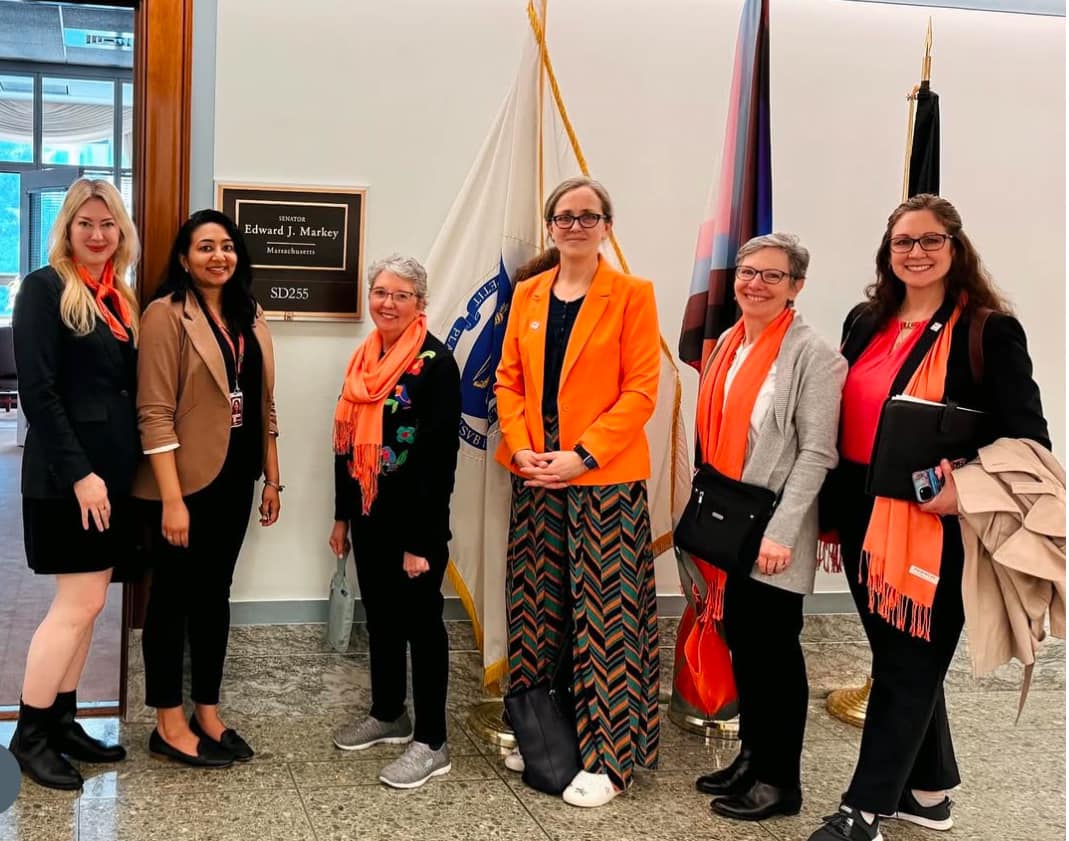
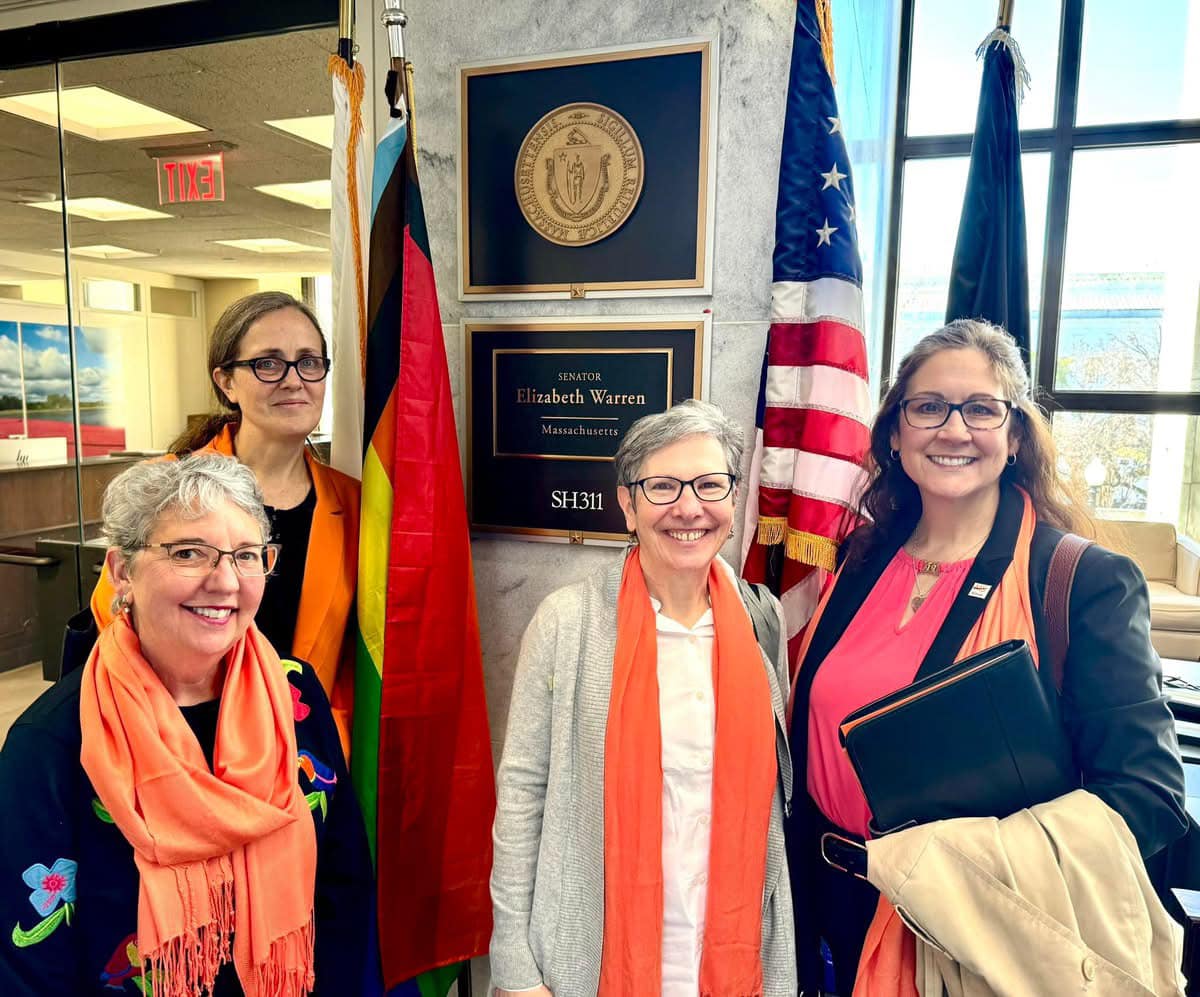
However my Massachusetts crew (pictured in the photos above), was fortunate in that all of our meetings — with US Senator Elizabeth Warren and Ed Markey’s staffers, as well as with congressional staffers from our various districts — went well. Staffers were uniformly understanding and kind, even if some were palpably stressed by what’s currently transpiring in Washington, D.C.

Will volunteer MS patients speaking up for MS research help? I know that without prior medical research into possible MS treatments, the medicines upon which I rely to cope with my MS symptoms and to prevent more spinal and brain lesions from forming would likely have NOT been developed. My life could look much different. Who knows if I’d be working, or writing, or volunteering. And for working folks whose MS is severe and requires services they can’t afford, sharing their stories with people who control the funding mechanisms of government, could, perhaps move a person or two. Sometimes, that’s all you need.

Advocating for policies and laws needed by those with chronic illnesses, like MS, is a subject I cover in my forthcoming book, Uncomfortably Numb 2 (available for pre-order). This is a relatively recent (since 2022) endeavor for me, this advocating business, but it’s left me feeling as though, even though I can’t control my what ultimately happens with my MS, I can use my voice to try to make the world a bit better for people with chronic illnesses. It also makes me feel less alone in the fight. We’re stronger, the saying goes, when we fight together.

two new books in 2025

While I’ve already announced the upcoming February release of my second novel — Louie on the Rocks, a dark comedy set in central Massachusetts about a dysfunctional family influenced by Trump era politics, circa 2019 — I can now proudly announce my second 2025 book.

Uncomfortably Numb 2: An Anthology for Newly-Diagnosed MS Patients is slated for publication in May 2025 by Wyatt-MacKenzie, which published my 2020 medical memoir, Uncomfortably Numb, about the life-altering impact of my MS diagnosis.

This nonfiction book will feature the stories of MS patients at varying stages of the incurable autoimmune disease of the brain and spinal cord, and of MS advocates who work to better the world for multiple sclerosis patients. Additionally, I share new stories about how I have morphed from being a stunned, newly-diagnosed patient to an MS Activist who lobbies state and federal lawmakers on behalf of the National Multiple Sclerosis Society.

It’ll be quite the tonal shift to move from promoting a dark comedy about an alcoholic MAGA dad squaring off against his progressive, bookseller daughter just weeks after the presidential inauguration, to discussing the experiences of MS patients. I hope you’ll join me on what promises to be one bizarre ride.

ten years of multiple sclerosis

Ten years ago today, I was discharged from a Boston hospital and officially received my MS diagnosis. My husband Scott and I left the doctor’s suburban Boston area office and drove directly to Firefly’s, which served our son Casey’s favorite BBQ. It was his 13th birthday and we wanted him to bring him some of his beloved dishes because we NEEDED to celebrate.

Let me back up a bit and set the stage …

In the preceding week, my family of five had taken a much-needed trip to Los Angeles. It had been four months since my 65-year-old mother had died from a fast-moving cancer. It had been a couple weeks since my 67-year-old father was admitted to the hospital and then to a rehab center to regain his strength. It’d been weeks since my young nephew had been treated and released from Boston Children’s Hospital after what was believed to have been a pancreatitis attack. It hadn’t been very fun around my house. We wanted to flee Massachusetts, so we sought a journey to the land of make-believe, hoping to outrun our bad luck.

Ha, said fate.

On the first morning in our Air-BNB, I received a stilted phone call from my Boston-based neurologist. The MRI I’d had of my brain weeks earlier — the one about whose results I’d been hounding the neurologist’s staff for in the days leading up to the trip — showed I had new lesions and a couple of them were actively inflamed. The doc wanted me to see him immediately. Irritated, because this was the exact situation I’d been trying to avoid, I told him we were in LA for 10 days. He scheduled an appointment for the Tuesday after we returned home. He never officially said I had MS, never told me to avoid heat or humidity, and didn’t give me any advice for how to proceed until I got home. He must’ve thought it was evident that the presence of multiple lesions meant I had MS, but Scott and I decided, since we were in the land of make-believe we were going to make believe this call never happened.

Until the Hollywood Bowl. As comedian Jack Black took the stage to emcee a pops performance of music from Pixar films at the famed outdoor venue, the days spent in hot and humid conditions caught up with me. I became violently ill. Not only was I sick to my stomach, but I was dizzy, weak, saw flashing lights in the periphery of my vision, and couldn’t really walk. Since we were seated at the top level of the facility, staffers had to locate a wheelchair and in order to take me down to the medical station on the ground floor. My then-15-year-old twins — eyes wide with worry — “watched” over me while Scott and Casey, then-12, ran to fetch our rented vehicle. They arrived just as fireworks were being detonated in thunderous fashion, the explosions echoing against the walls, creating an ominous, end-of-the-world-like soundtrack.

Weakened, I spent the next day resting, but rallied to attend an evening Anaheim Angels’ game for which we already had tickets. Scott and I pretended the whole thing was either food poisoning or a result of me accidentally eating something that didn’t agree with my dairy allergy. In the ensuing days, we went to see the famed British football team Manchester United play the LA Galaxy at the Rose Bowl, goofed around in Madame Tussauds‘ wax museum, and visited the Ronald Reagan presidential library in Simi Valley.

On the day we were supposed to return to reality in Boston, I experienced an attack like the one at the Hollywood Bowl. Only worse. I was again sick to my stomach. Again, I was weak and could barely walk. My daughter said I was lying on the floor and so out of it that it seemed like I was drugged. The fact that our rented Santa Monica bungalow had no AC and that my damaged brain — which MS had rendered incapable of handling heat and humidity — couldn’t handle the weather never occurred to us. Then again, in that moment, I couldn’t hold a cogent thought in my head as my family packed up the Air-BNB and Scott called my neurologist to get some medication so I could board a plane back to Boston.

Two days later, on a Sunday, I woke in my own bedroom to a third attack worse than the preceding two. I couldn’t stop vomiting. I was weak. I couldn’t walk. I saw stars in my eyes. Nine-one-one was called. I was transported from a small local hospital then transferred to a large Boston facility where my doctor worked. I kept trying to get the neurologists at the hospital to contact their colleague, the one who called me that first morning in LA. But they didn’t. And I didn’t receive any treatment to stop the attack — which would’ve been IV steroids, something I received the following week.

On that Tuesday morning, Casey’s 13th birthday, I was released from the hospital and went straight to the neurologist’s office, just outside of Boston. It was there where he looked surprised when I asked him if I had MS. Clearly, he thought it should’ve been obvious that I did. He told me we had to decide what kind of medicine I’d take to try and slow down the disease progression but, in the meantime, we scheduled another MRI, which would show the presence of even more angry and inflamed lesions that would lead to three days of outpatient, steroid IV treatment. Scott and I left the neurologist’s appointment facing a new and uncertain landscape. But we had one immediate concern: Casey’s birthday.

Since my hospitalization, our dear friend Gretchen had been taking our three kids out, feeding them, and even brought the twins shopping so we’d have gifts to give Casey. Gretchen also pulled together the ingredients for Casey’s favorite birthday dessert, the lava cake similar to the one The Rainforest Cafe used to serve, only much sloppier. While Gretchen had the gifts and dessert all ready for us when we got home, Scott and I ordered barbecue from the car. Casey, who’d spent his 13th birthday hanging with Gretchen’s younger son, was thrilled with his presents, with the BBQ, and with the cake, and declared it the “best birthday ever.”

Now, that kid is 23. And he’s riding in a Bike MS event in Maine. He’s trying to raise money for the National Multiple Sclerosis Society — for which I serve on as a trustee on my local board and as a volunteer advocate. It’s an organization which has financially supported nearly every new development in the MS field. On his fundraising page, Casey wrote that he’s participating in the Great Maine Getaway because he is “inspired by my mother’s courageous battle with multiple sclerosis.” He added, “Throughout her life, she has not only navigated the challenges of MS but has also become a beacon of strength and education within our community.” He also said a bunch of other really nice things about his old mom. *Blushing.*

I’m proud of him, as well as of my nearly-26-year-old son Jonah, and my husband Scott, who are participating in their second Bike MS event together. But since my diagnosis date is so closely tied to Casey’s birthday, I’m plugging his donation page. If you have someone in your life who struggles with MS, if you’d like to see a world without MS, please consider contributing to Casey’s bike ride.

It’s been 10 years. My symptoms may have worsened but my hope has not dimmed.

ms-connected reviews of ‘uncomfortably numb’

Several people with ties to the multiple sclerosis community graciously agreed to take a look at advance copies of my MS memoir, Uncomfortably Numb, which will be published on March 3, during MS Awareness month.

Of all the folks I asked to take a look at the early version of the book, I really wanted to know what people who have lived with MS — or know a great deal about it — had to say about my chronicling of my initial symptoms and eventual diagnosis of relapsing remitting MS, as well as the struggle with how the disease changed my life. Did it ring true to them?
Screenshot 2020-03-02 09.41.14

Award-winning health blogger, Cathy Chester, who writes about her decades-long experience with MS at An Empowered Spirit, said this about Uncomfortably Numb:

Meredith O’Brien’s fourth book, Uncomfortably Numb, may be her most important. It is an intimate, generous memoir of living with MS that will guide newly-diagnosed patients and their loved ones through difficult challenges.

Poignant and thoroughly readable, Uncomfortably Numb is a deeply personal look at how the diagnosis of a debilitating illness such as MS profoundly affects patients and their families. It is also the story of a strong woman who is learning to adapt and is determined to persevere.
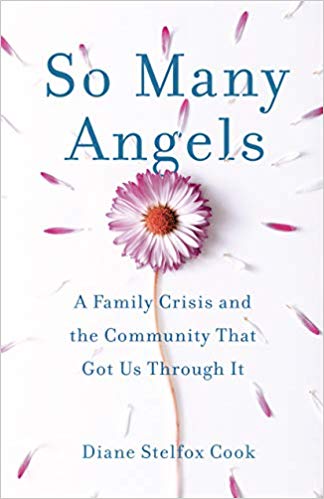
41iakd84kll._sx322_bo1204203200_Author Diane Cook, whose memoir So Many Angels: A Family Crisis and the Community That Got Us Through It details her family’s experience with her husband’s arrest and her diagnosis of multiple sclerosis, wrote about Uncomfortably Numb:

Meredith O’Brien’s courageous memoir chronicles her struggles leading up to her MS diagnosis, including one doctor telling her that she should simply “de-stress,” then her battle with the symptoms. O’Brien’s tenacity shines through on every page. While managing the MS she continues to work, takes care of her … parents, and raise her children. The author refuses to give in to the many challenges that life throws her way. An inspiring read. 

A woman I’ve gotten to know well through her position as the president of the Greater New England chapter of the National Multiple Sclerosis Society, Lori Espino, wrote:

A candid, in-depth look at one woman’s journey with MS and how it touches those around her. A great read for anyone struggling with chronic illness from diagnosis, through acceptance and into thriving in the new normal.

51texzznugl._sx314_bo1204203200_Award-winning author Savannah Hendricks — whose late mother had MS — wrote a novel, Grounded in January, in which the main character has multiple sclerosis. She offered her take on Uncomfortably Numb:

A memoir penned with such truth you won’t know if you should keep reading or pause to shed a tear, Meredith O’Brien showcases the individual effects of the debilitating reality for those facing multiple sclerosis. Not only does the author tackle the painful veracity of the disease, but provides reminders of how critical the healthcare system is to those in need. The truth of MS is as difficult to overcome as the disease is to diagnosis by health care professionals who sideline symptoms mimicked by other diagnoses.

21814Elissa Grossell Dickey, who blogs about MS for the National Multiple Sclerosis Society and whose novel about an MS patient, The Speed of Light, is set for publication next year, penned this:

Uncomfortably Numb is a moving story that is both achingly familiar to someone living with multiple sclerosis and yet unequivocally Meredith O’Brien’s personal tale of a life changed by a devastating diagnosis. Weaving in the added tragedy of personal loss, O’Brien writes with the measured curiosity of a journalist and yet with a raw vulnerability, giving an honest, unflinching look at navigating life with chronic illness. With courage and tenacity, O’Brien details the frustrations of not being believed by health care providers; dealing with unpredictable, life-altering MS symptoms; and the struggle to hold on to her previous identity, both in her career and her family. Rich with compelling story-telling, Uncomfortably Numb is a triumph that will take readers on an emotional journey and leave them with hope.
header_aug2015revisedFinally, award-winning MS blogger Caroline Craven, Girl with MS, said this:

Meredith O’Brien’s journey is beautifully expressed in reality that only someone with MS understands — a must read for anyone with multiple sclerosis or connected to MS. O’Brien effectively shares what a life with MS can be like. Often, the words could come from my own experience with MS over these past twenty years. The challenges and fears and frustrations she shares with unrestrained honesty. At times, I am brought back to my own diagnosis and initial illness. I was back in the MRI, experiencing the nightmares of some doctors and finding relief in the love and nurture that can be occasionally found.  

O’Brien nails it with her ability to connect. To life. To MS. To her own honesty. The normal and not so normal. 

Reading O’Brien is like stepping into my own skin fifteen, twenty years ago: The meltdowns, the stress, the unknowns. Anxiety arises reminding me of those times, the utter fear of my body letting my down, of it failing. The fear it brought and the beauty it finally produces. We are diamonds in the rough finding our brilliance through turbulence then love.  

… [O’Brien] doesn’t tell what MS – she shows us with her words, her stories. The self care she takes proves beneficial — writing notes, keeping journals, reliable resources. They all add up. She takes command of her disease and the information/research available to her.  

This is a book to be read now. It touches on all aspects of living with MS and what we as patients need to know.  

Thank you so incredibly much Cathy, Diane, Lori, Savannah, Elissa and Caroline.