


It’s been hectic here in my neck of the woods. Between promoting my new novel Louie on the Rocks, prepping the May 6 release of Uncomfortably Numb 2: An Anthology for Newly-Diagnosed MS Patients, and teaching two journalism courses, I’ve also been doing volunteer work for the National MS Society.
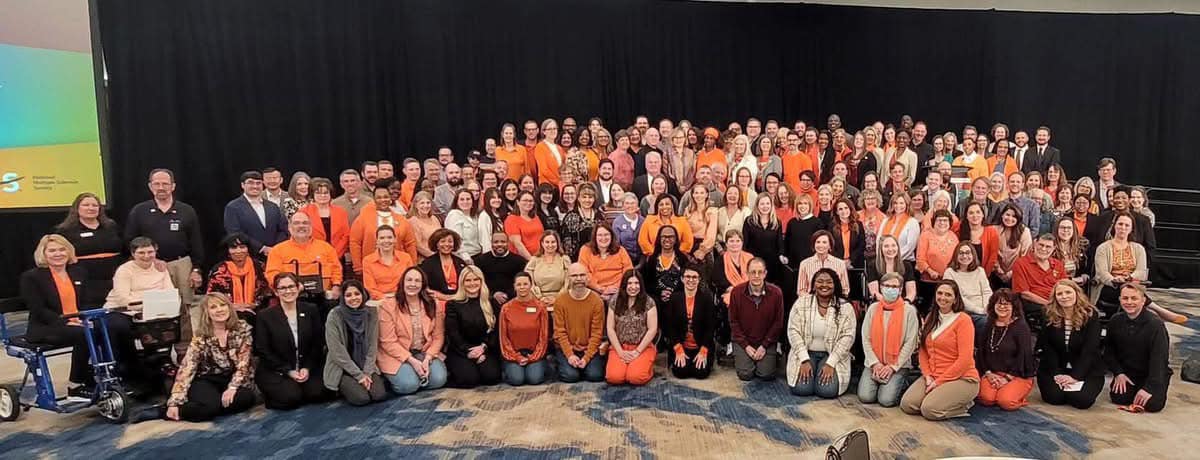
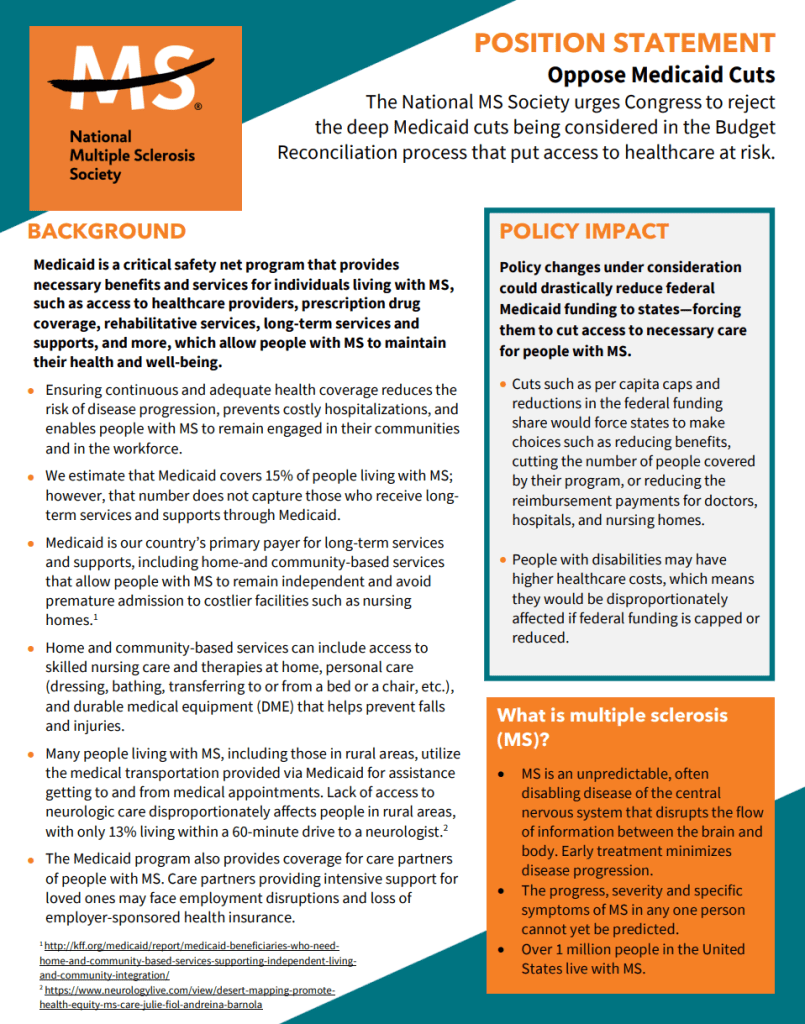
In March 2025, I attended the Society’s three-day Public Policy Conference in Washington, D.C. which culminated with visits to Capitol Hill to discuss with our members of Congress two issues: the restoration of funds for Congressionally-Directed Medical Research for Multiple Sclerosis (MSMR) and requesting that our elected officials reject deep cuts to Medicaid on which over 15 percent of MS patients rely.
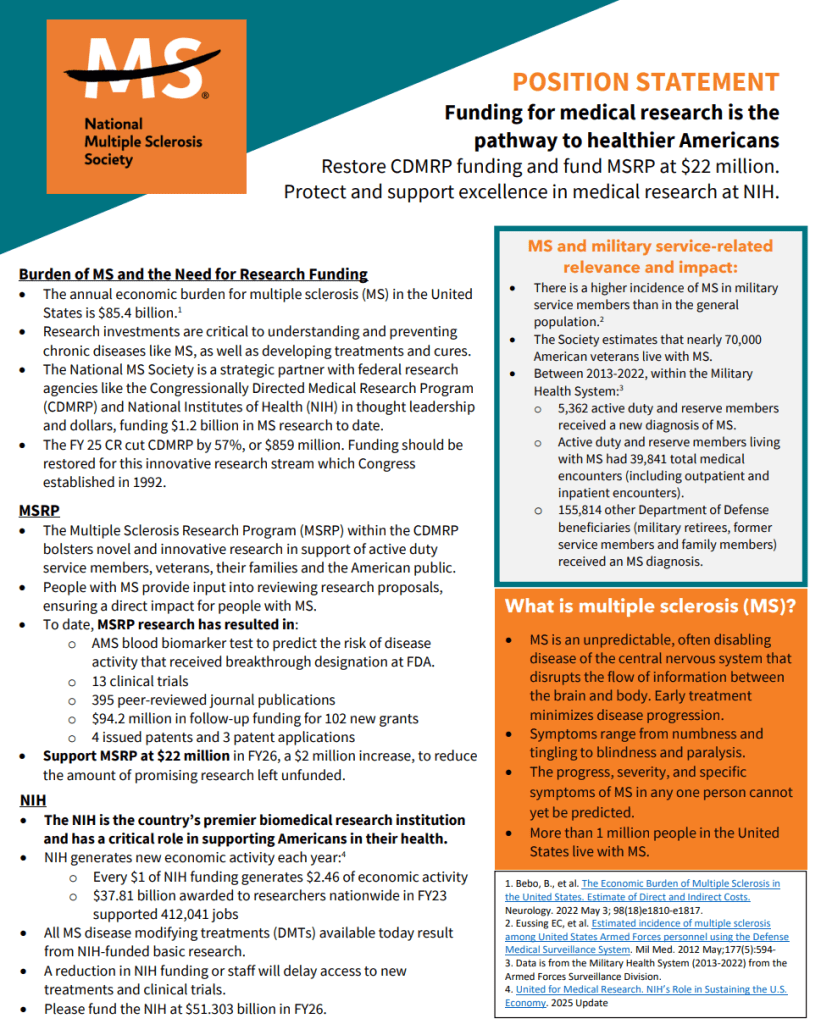
It was a fraught and contentious atmosphere in which to be visiting the Hill. A few of our volunteer MS Activists — many of whom have MS themselves — reported being met with disrespectful staffers, including one who complained that he was “tired of all the lies” when it came to their Medicaid pitch.
During the training portion of our conference, MS Society volunteers heard from Evan Conant, a full-time employed husband whose wife has severe MS to the point where she needs round-the-clock care in their home. They have private health insurance through his work, but were shelling out over $70,000 annually for her care, which he said was financially unsustainable. They learned of a Medicaid waiver program which enables people who demonstrate tremendous need to be able to pay monthly premiums (if your state allows it) in order to get assistance with medical costs. In Conant’s case, after three years of rigorous vetting, he said his family was allowed to buy into the program to provide four hours of health aide coverage so he could continue working and his wife was safe in their home. This is the kind of story that was met with disregard for some folks (as examples of “waste, fraud, and abuse in the system”), whereas, historically, MS Activists have said, they’ve been warmly welcomed by lawmakers because multiple sclerosis issues, and the MS Society as a whole, are nonpartisan.
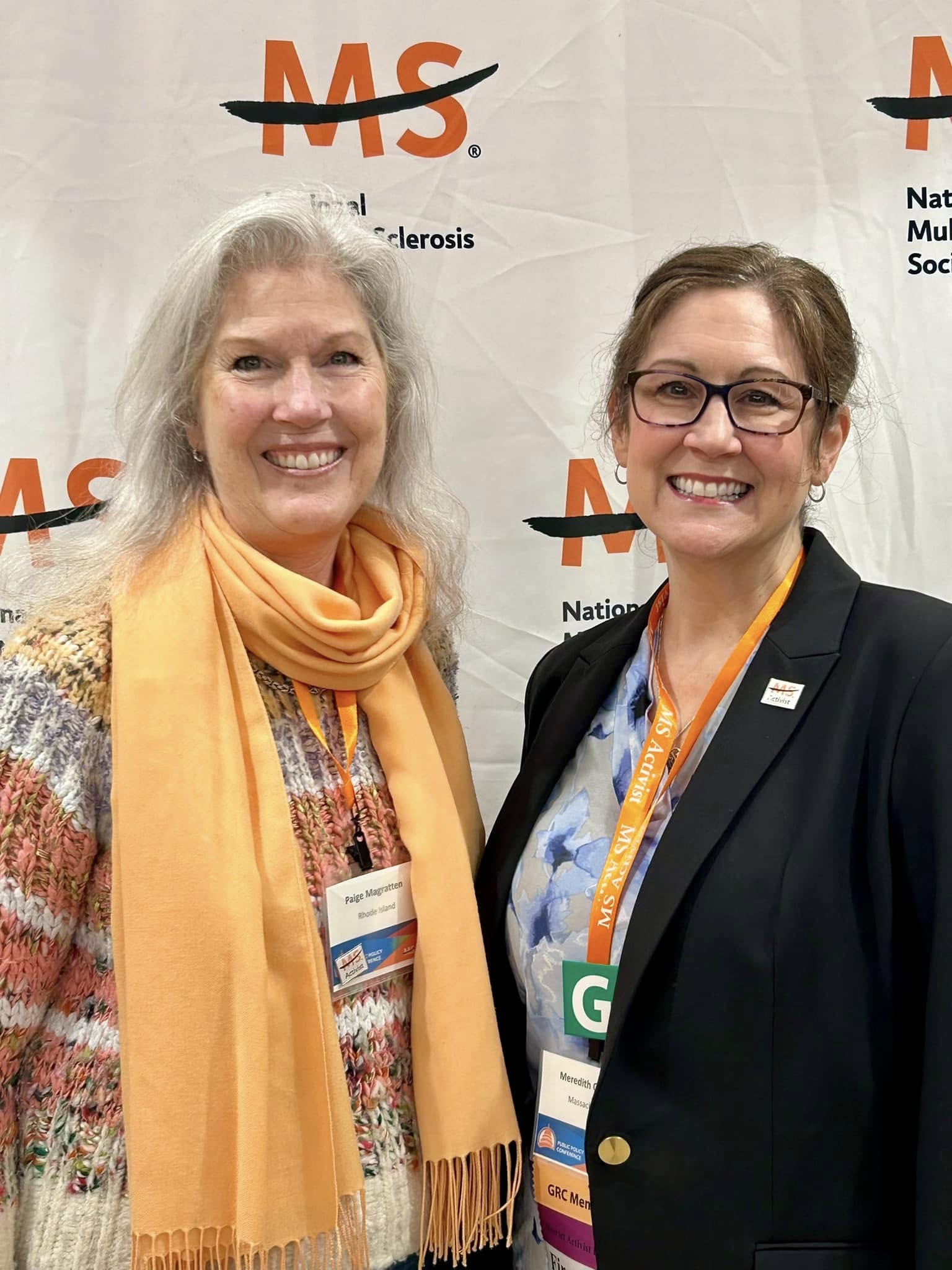
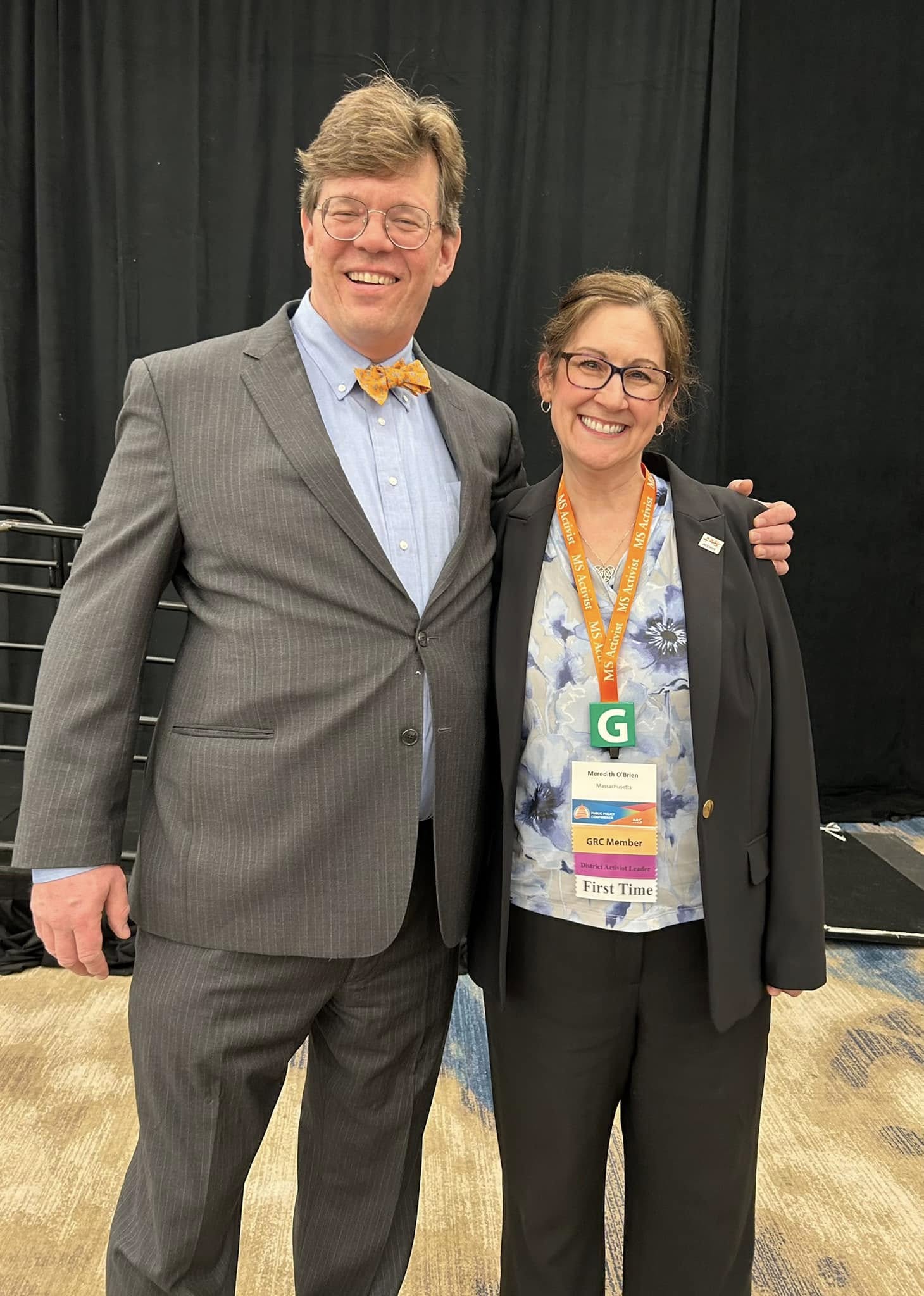
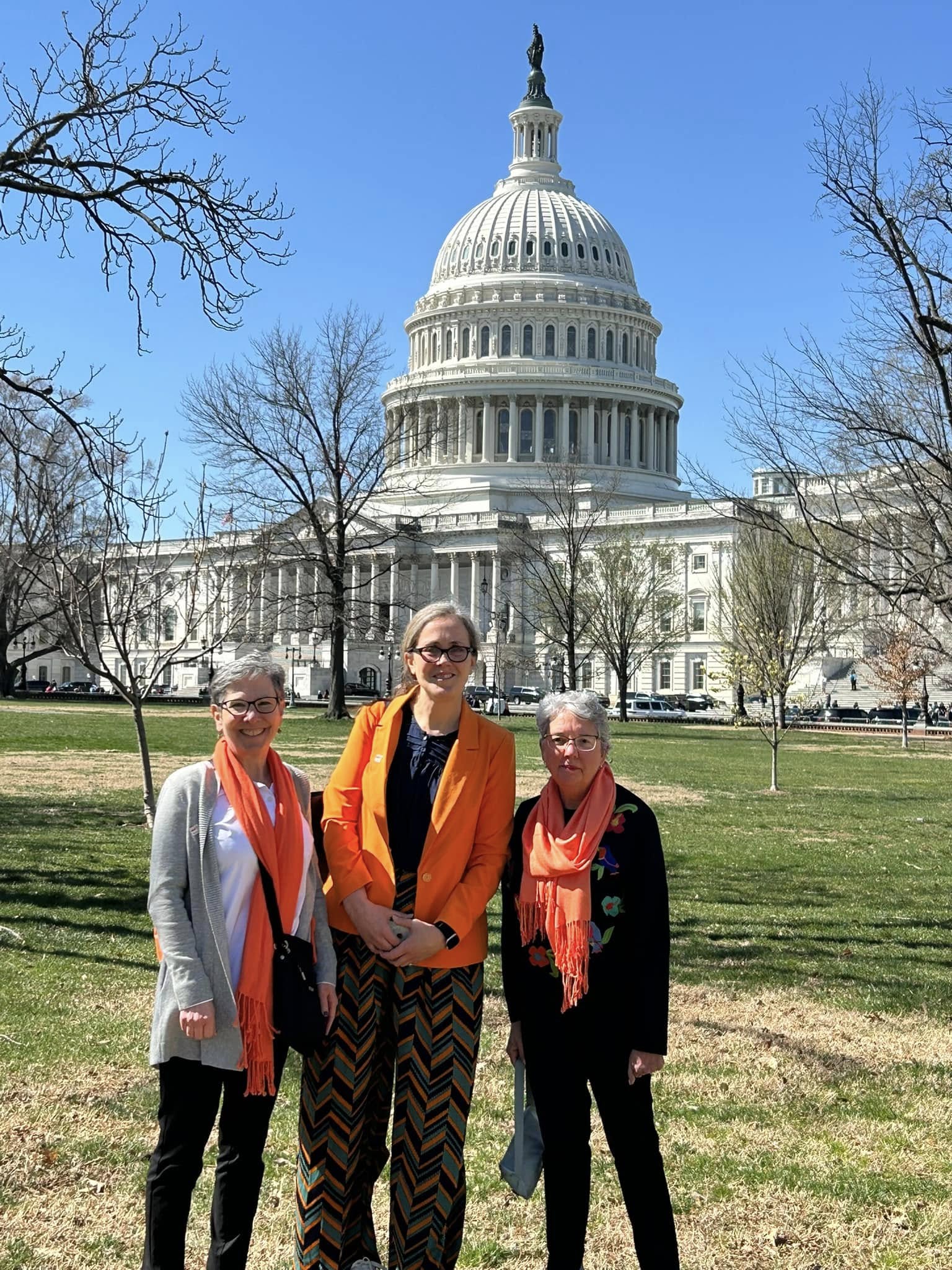
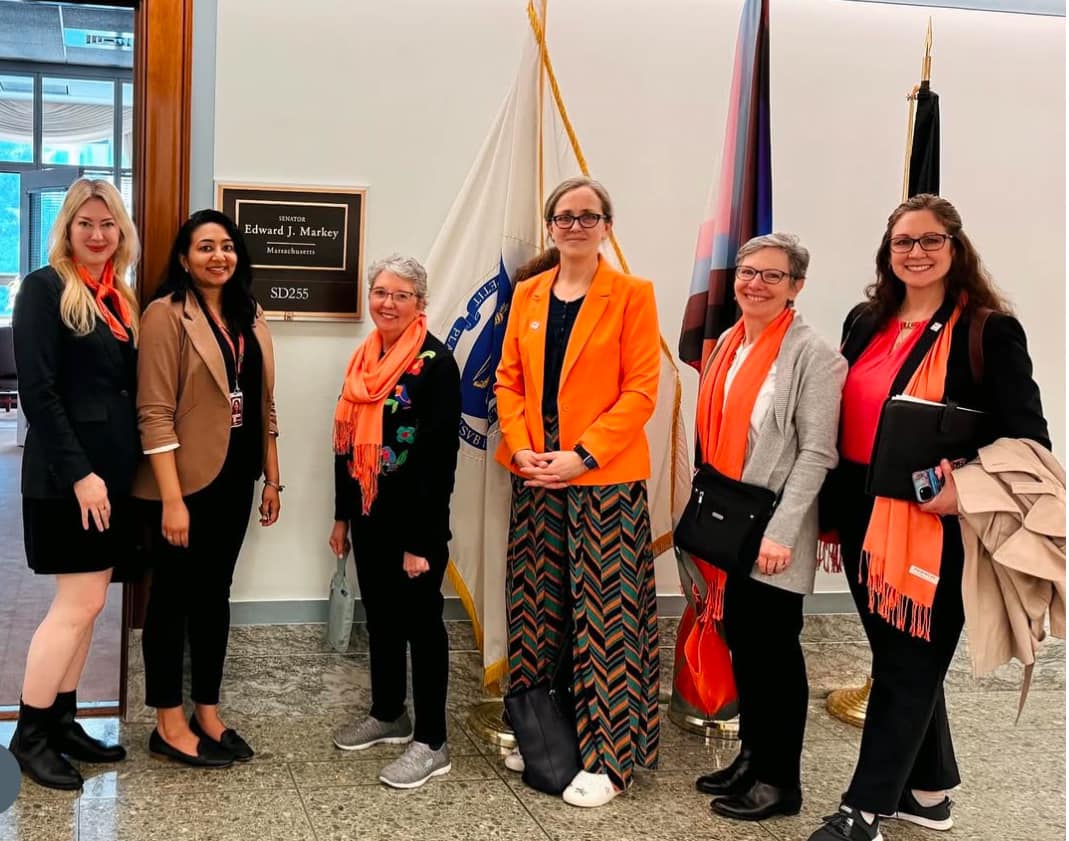
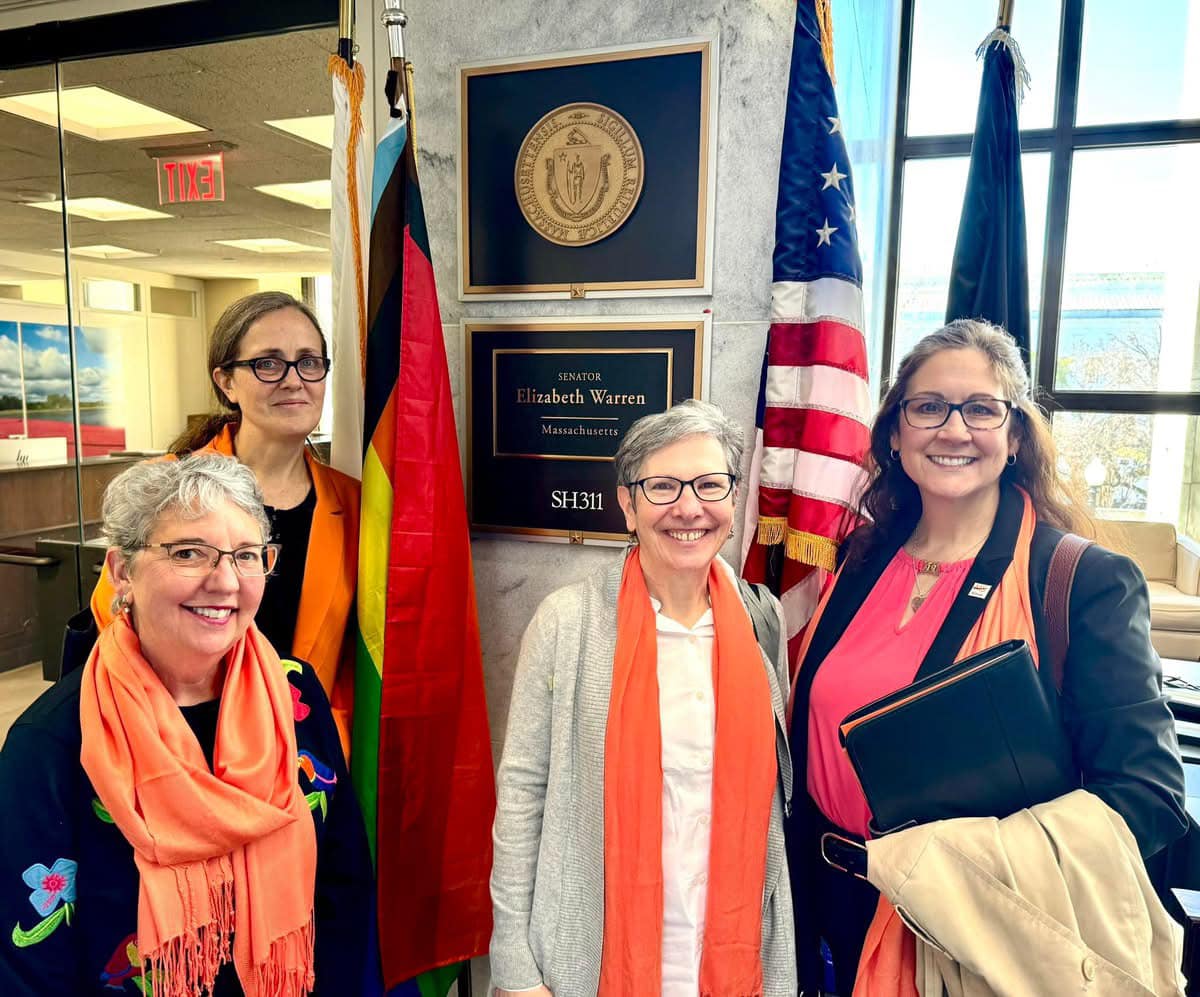
However my Massachusetts crew (pictured in the photos above), was fortunate in that all of our meetings — with US Senator Elizabeth Warren and Ed Markey’s staffers, as well as with congressional staffers from our various districts — went well. Staffers were uniformly understanding and kind, even if some were palpably stressed by what’s currently transpiring in Washington, D.C.
Will volunteer MS patients speaking up for MS research help? I know that without prior medical research into possible MS treatments, the medicines upon which I rely to cope with my MS symptoms and to prevent more spinal and brain lesions from forming would likely have NOT been developed. My life could look much different. Who knows if I’d be working, or writing, or volunteering. And for working folks whose MS is severe and requires services they can’t afford, sharing their stories with people who control the funding mechanisms of government, could, perhaps move a person or two. Sometimes, that’s all you need.
Advocating for policies and laws needed by those with chronic illnesses, like MS, is a subject I cover in my forthcoming book, Uncomfortably Numb 2 (available for pre-order). This is a relatively recent (since 2022) endeavor for me, this advocating business, but it’s left me feeling as though, even though I can’t control my what ultimately happens with my MS, I can use my voice to try to make the world a bit better for people with chronic illnesses. It also makes me feel less alone in the fight. We’re stronger, the saying goes, when we fight together.
 The Republican — the daily newspaper for which I used to work way back in the day, back when it was called The Union-News –ran

 Meredith OBrien